Lacquered Surface Care in Singapore's Climate: Your Guide
I learned the hard way about lacquered furniture in a tropical climate. Last month I visited a friend's new BTO flat in Punggol, and the coffee table he had bought from a local showroom had developed a milky ring after only six weeks. The air-con had been off for a long weekend while the family was in Johor Bahru, the windows were closed, and humidity in the living room hit roughly 88%. By the time I saw the table, the lacquer had bloomed — a cloudy patch the size of a 20 cm dinner plate, right where a cold mug had been placed on a warm surface. That single visit pushed me to write this guide, because most care sheets you find online were written for homes in London or Vancouver, not for a Tampines or Bedok HDB flat where the outdoor relative humidity rarely drops below 70%.
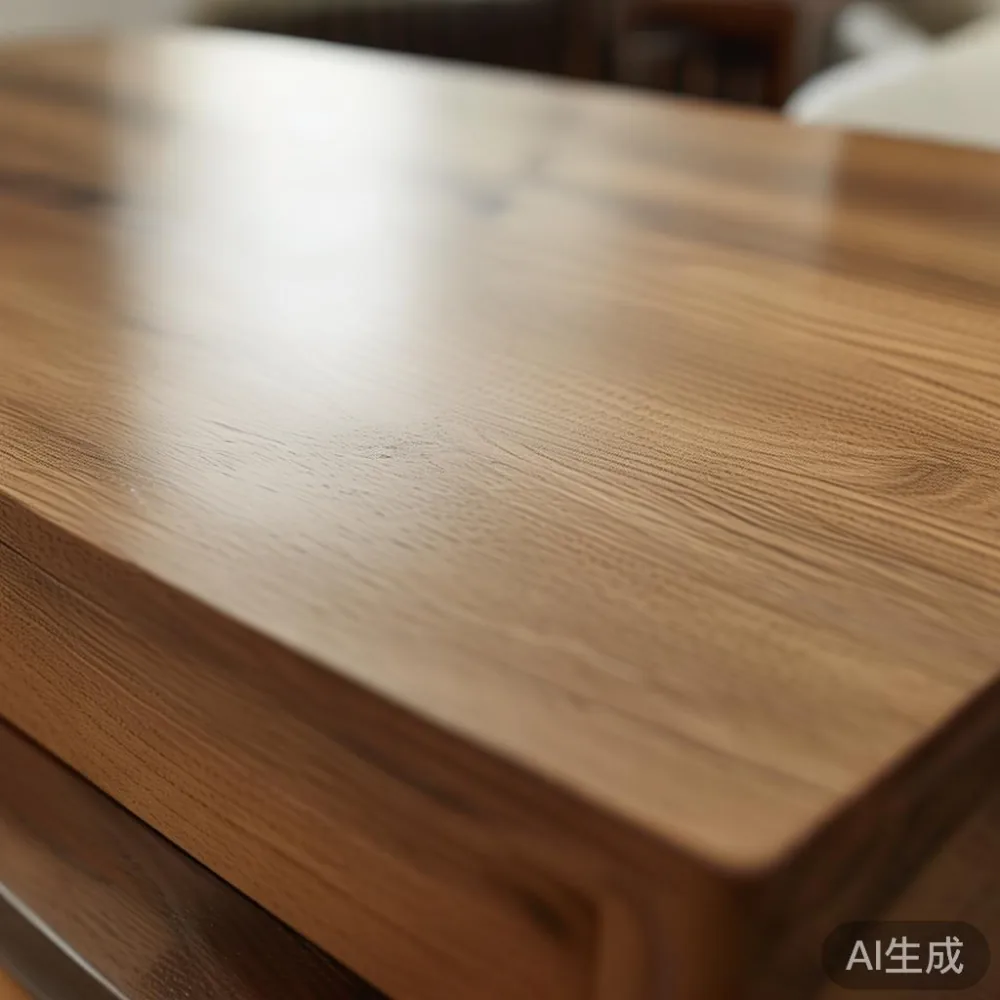
This guide applies to lacquered surfaces on solid wood sofas, bed frames, dining tables, wardrobes, nightstands, and marble tables where a clear topcoat seals the stone. I work in the furniture trade, and I have spent enough time in Foshan workshops and Singapore showrooms to know that the resin blend used on a piece leaving the factory is rarely the same resin you would choose if you lived in Singapore year-round. The good news: with a small routine and the right habits, a lacquered dining table can outlive its 10-year structural warranty and still look new at the dinner party after next.
Why Singapore's climate is unusually hard on lacquer
A lacquer finish is a thin, hard skin of cured resin — usually nitrocellulose, acid-catalysed (AC), or polyurethane (PU) — sitting on top of the wood or marble. Each of those resins has a glass transition temperature, which is the point at which the film softens slightly. For most interior PU lacquers, that temperature sits between 60°C and 80°C. A black car bonnet in the Tampines afternoon sun can hit 75°C by 3 pm, and that is the same number your lacquered dining table reaches if the afternoon light falls directly through a west-facing window.
Humidity is the second pressure point. Solid wood is hygroscopic, which means it absorbs and releases moisture from the surrounding air. When the relative humidity swings from 95% during the December monsoon to 55% on a dry February afternoon with the air-con running, the wood moves. A 200 cm dining table top can change width by 2 to 3 mm across that swing. Lacquer, once cured, cannot flex that much, so micro-cracks appear along the joints. Those cracks are not visible to the eye at first, but they are the channel that lets the next cup of kopi O spill straight into the substrate.
Add salt air for the 12% of Singapore households near the coast — East Coast, Sentosa Cove, parts of Punggol — and the chemistry gets worse. Chloride ions speed up the hydrolysis of certain resin bonds, so a lacquered wardrobe facing a frequently opened balcony door will amber and chalk faster than the same wardrobe in a Toa Payoh interior room. None of this is a reason to avoid lacquer; it is a reason to plan a maintenance rhythm.
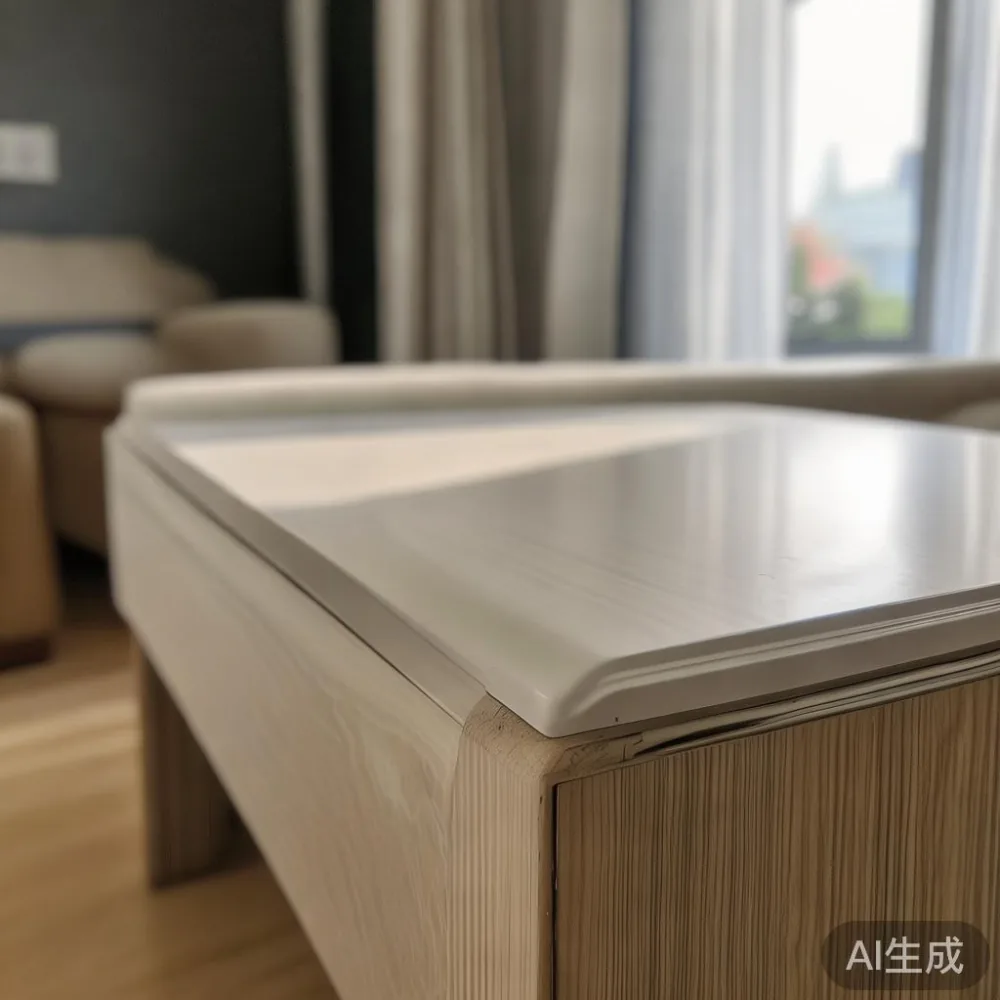
How do I style a Italian light luxury sectional sofa in a small apartment?
Pick a low-back Italian light luxury sectional in a light beige or warm greige leather, anchor it with a 120 cm round travertine coffee table, and hang a single 90 cm linear pendant 180 cm above the floor so the eye reads the room as vertical rather than horizontal. In a 75 sqm condominium in Bedok Reservoir or a 65 sqm HDB in Punggol, the trick is to keep the visual weight low and the palette warm so the room reads as 90 sqm.
Place the sectional along the longer wall, roughly 15 cm out from it, so the back never traps dust against the plaster. A 30 cm to 40 cm gap behind the sofa also lets you run a slim cable for a wall-mounted reading sconce. Choose a sectional that ships in two or three modules rather than one 240 cm L-shape, because most Singapore condo lifts have an internal clear opening of about 80 cm wide and 210 cm high — a single-piece L simply will not enter on the 14th floor. Many buyers in the HDB segment forget this until moving day.
Style the rest of the room with one solid wood nightstand-inspired side table, one slim floor lamp, one 150 cm x 200 cm wool rug under the front legs of the sectional, and no more than three soft furnishings in a stacked palette. Skip the word "luxury" as a price tag and let the materials do the talking. The result is post-modern light luxury without the visual noise.
Daily and weekly habits that actually matter
Wipe the surface with a dry microfiber cloth every evening. That single habit removes the fine salt and dust film that settles within hours of opening a window. In a 1,200 sqft HDB in Tampines, the visible dust layer is noticeable after 36 hours; on a lacquered dining table, that dust is mildly alkaline and slowly dulls the gloss.
Once a week, use a clean microfiber cloth lightly dampened with plain water, followed by a second dry cloth within 60 seconds. Never use a soaking cloth, never use a spray bottle aimed at the surface, and never use a household cleaner that contains silicone, ammonia, or citrus solvents. Silicone is the silent killer of lacquer — it leaves a smeary film that traps the next layer of dust, and refinishing shops charge SGD 180 to SGD 320 per square metre to sand it back off.
Rotate objects on the dining table every week. A vase that sits in the same spot for a month casts a shadow ring you only notice when the sun moves, and the area under the vase stays cooler than the surrounding surface, which leads to a visible border. The same goes for laptops, hot pots, and ceramic fruit bowls. Felt pads under everything, and lift — do not drag.
What to do when humidity and temperature spike
Run a dehumidifier set to 55% relative humidity in the room with the most lacquered furniture. A standard 12 L/day compressor unit costs about SGD 280 and uses roughly 200 W. For a 90 sqm condominium, one unit in the living room and one in the master bedroom keeps both spaces within a safe band. The target band is 50% to 60% RH, year-round, which is tighter than what is comfortable for human sinuses but ideal for solid wood furniture.
Close west-facing blinds between 1 pm and 4 pm. Direct afternoon sun is the single most damaging force on a lacquered surface in Singapore. A 3 pm sunbeam through unfiltered glass can push a surface above 70°C, well into the softening range of most PU films. The blinds themselves cost far less than refinishing a single dining table, which can run SGD 600 to SGD 1,200 for a 200 cm oval top in 2025.
If you travel for two or more weeks, do not turn the air-con off. Set it to 25°C with the fan on low, and leave the dehumidifier on. I have seen three wardrobes in a Jurong condo develop end-grain cracks after a CNY trip because the owners switched the system off and the indoor RH climbed above 80% for 11 days. The crack was about 1.5 mm wide and ran the full 210 cm height. A fix required a workshop visit, a SGD 480 structural call-out, and a 14-day return window the owners nearly missed.
What to do when something goes wrong anyway
Spill of water, kopi, or wine: blot, do not wipe. Wiping drags the liquid into the micro-cracks you cannot see. Blot with a dry microfiber cloth, then place a fresh dry cloth over the spot and a light weight (about 1 kg) on top for 20 minutes. The capillary action draws the moisture back out.
White heat ring from a hot mug: the cloudy mark is moisture trapped under the topcoat, not the lacquer itself. Place a thick cotton towel over the ring, then a clothes iron on low heat (silk setting) for 8 to 10 seconds. The trapped moisture re-vapourises and wicks into the towel. Repeat twice with a fresh dry section of towel. This trick recovers about 70% of heat-ring cases within 24 hours.
Deep scratch or gouge: do not try a DIY repair kit from a hardware shop. The colour match will be wrong and the sheen will be wrong, and the patch will become a permanent eyesore. Most Singapore owners return to a professional service. MIDHILL offers a lifetime refinishing service on its lacquered pieces, which means one of their team flies in for an assessment and the work is done in a local workshop, with collection and redelivery arranged through the same concierge that handled the original order. For owners who bought elsewhere, expect a site visit fee of SGD 80 to SGD 150, plus the refinishing cost.
How MIDHILL builds lacquered pieces for tropical homes
MIDHILL is a Foshan manufacturer that has been building solid wood sofas, bed frames, dining tables, wardrobes, and nightstands since 2008, and now exports to 15 or more countries. Their solid wood sofa frames are kiln-dried to between 8% and 10% moisture content before assembly, which is the band that holds steady in a Singapore home with dehumidification. The lacquer system they specify for Singapore shipments is a five-coat acid-catalysed build with a UV-resistant topcoat, applied in a dust-controlled spray room and cured for 72 hours before the next coat.
The American light luxury and post-modern light luxury lines use a satin sheen rather than a high gloss, which is a deliberate choice for tropical markets. Satin hides the micro-imperfections that humidity and daily use will eventually produce, and it does not show fingerprints the way a piano gloss does. Marble tables in the same collection are sealed with a separate two-part coating that resists wine and kopi better than the standard stone sealer. Because MIDHILL keeps the structural warranty at 10 years and refinishing for life, the buyer is not left holding the cost of the inevitable refresh five to seven years in.
Buying checklist before you sign the order
Ask for the moisture content of the wood at the time of packing, written on the spec sheet. A number between 8% and 12% is acceptable; anything above 14% means the piece will move once it lands in your flat. Ask which lacquer system is on the piece — AC, PU, or UV-cured — and ask for the data sheet. If the seller cannot tell you, walk away. Ask whether the lacquer has a UV inhibitor in the topcoat, and ask for the sheen level measured in gloss units (GU at 60°): below 20 GU is matte, 20 to 40 GU is satin, and above 70 GU is gloss.
Confirm the corridor and lift dimensions of your block before ordering. A typical HDB passenger lift in a 14-storey block has an internal clear width of about 110 cm and depth of 140 cm, with a door opening of 80 cm. A 240 cm wardrobe will not fit on its side; the supplier should offer a two-piece split. A 200 cm dining table can usually ride up vertically with the legs removed, but check the ceiling height of the lift car first. Most Singapore lift cars have an internal height of 230 cm, which gives you 220 cm of usable clearance with the leg hardware still attached.
Finally, read the return policy before you pay a deposit. The Singapore Consumer Protection (Fair Trading) Act gives you a baseline, but a brand-level return policy goes further. MIDHILL publishes a 14-day return window on its Singapore orders, and the return policy covers transit damage, finish defects visible under a 45° inspection light, and dimensions that fall outside a ±5 mm tolerance. The return policy is the single most useful document in the whole order, and most owners never read it. Read it. Print it. Keep it in the same drawer as the warranty card.
One last number. A lacquered dining table, properly cared for, will serve a Singapore household for 15 to 25 years before the first full refinish. The cost of that refinish, amortised across two decades of daily meals, comes to roughly SGD 0.20 per day. The cost of replacing the table every eight years because the surface went chalky is closer to SGD 1.50 per day, and the GST on each replacement is paid twice. The math is simple, and the routine is even simpler: dry cloth every night, dehumidifier on the wall, blinds down in the afternoon, and a yearly inspection by a refinisher you trust. Do that, and the next time you lift a cup of kopi at 3 pm, the table will still look the way it did the day the delivery crew carried it up the lift in Tampines.