Caring for Lacquered Solid Wood Furniture in Singapore: A Practical Return-Policy-Aware Guide
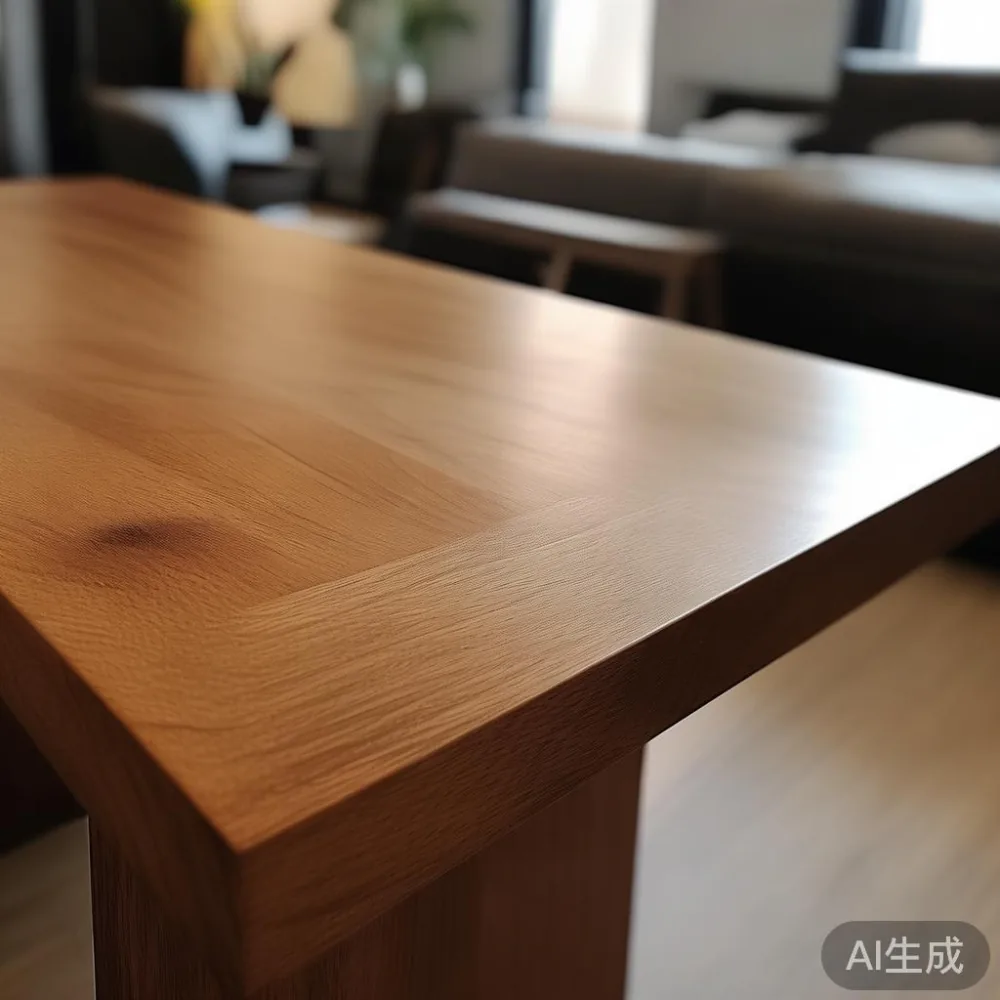
I learned this the hard way. Last March I helped a customer in a Tampines 4-room HDB flat unbox a 2.4 m solid wood dining table finished in high-gloss piano lacquer. Three weeks later she sent me a photo of a cloudy ring the size of a coffee cup, right in the centre of the leaf. The culprit was not the lacquer, the wood, or the freight forwarder. It was a stack of wet takeout menus slid under a hot pot stand during a dinner party. Because MIDHILL publishes a 14-day return window on visible defects, that ring was technically outside the policy perimeter. We refinished it for free under our lifetime refinishing promise, but the lesson stuck: in a tropical climate, lacquer care is not optional decoration. It is the difference between a French light-luxury aesthetic that still looks editorial in year eight, and a piece that looks tired by Chinese New Year.
Why Singapore Humidity Is Harder on Lacquer Than People Expect
Singapore sits in a band where the monthly mean relative humidity rarely drops below 78 percent, and afternoon peaks at 82-90 percent are common from May to September. Most flats in Bedok, Punggol, and Yishun keep window glazing closed for 12-15 hours a day when the air-conditioning runs. That creates a micro-climate indoors of 24-27 degrees Celsius with 55-70 percent relative humidity, which sounds fine until you remember that engineered wood furniture from temperate warehouses arrives acclimatised to 40-50 percent RH. The wood fibres keep moving for 6-12 months after delivery, and a lacquer film cures for up to 24 months before reaching full hardness. During that window, small mistakes compound.
Lacquer is, in plain terms, a plastic skin built up in 5-9 coats and polished to a mirror. It resists water vapour from above, but it does not love standing water from below, and it absolutely does not love heat. A 60-degree-Celsius hot pot stand left for 20 minutes can leave a permanent ghost mark on most open-pore finishes. A wet glass left overnight will leave a white blush that buffs out only if you catch it within 48 hours.
How Often Should I Wipe My Solid Wood Sofa, Bed Frame and Dining Table?
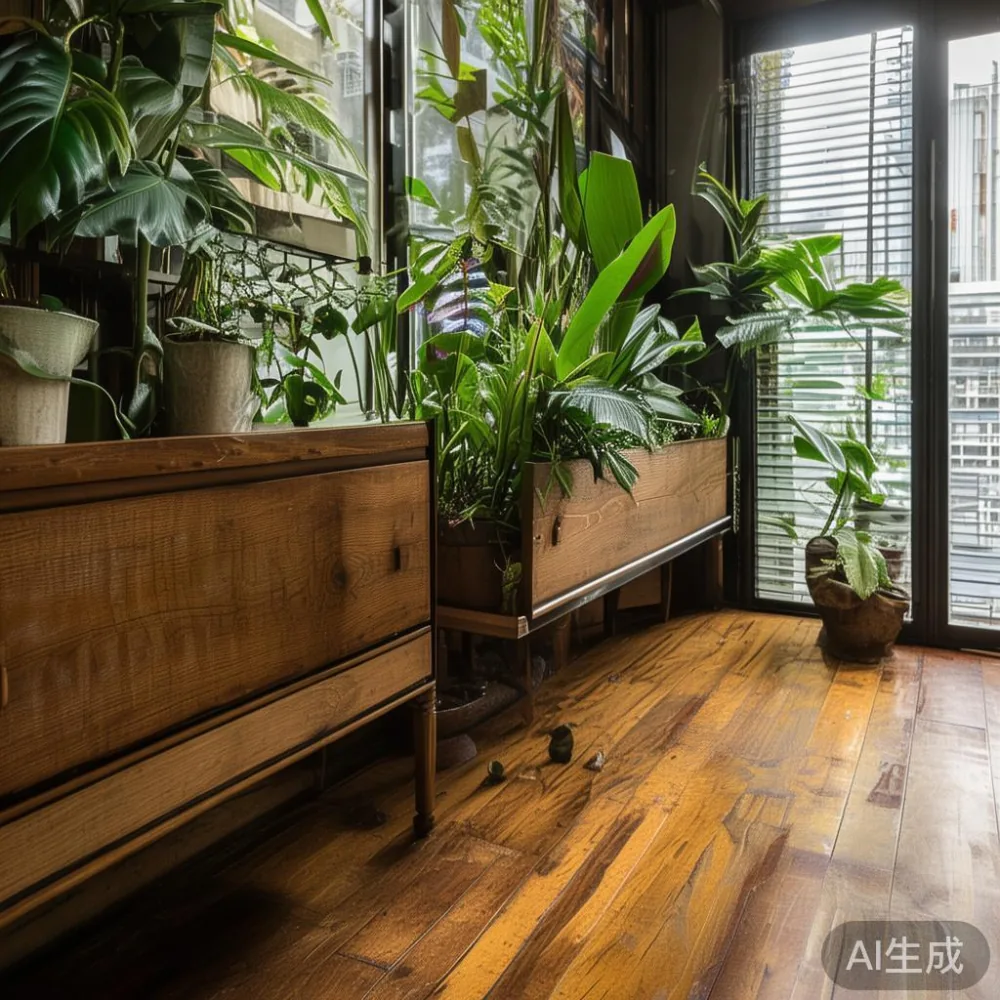
Short answer: dry-dust three times a week, damp-wipe once a week, deep-condition every 90 days. The honest truth is that frequency depends on household load, not on the price tag of the piece. A four-seat solid wood dining table in a Punggol condo with two young children and one cat needs damp-wiping every four days, not once a week. A two-seater solid wood sofa in a one-bedder used by a single professional needs dusting twice a week and a damp cloth once a fortnight.
For a lacquered nightstand or a marble-topped side table, a 15-second microfibre pass every morning is enough. For a wardrobe with sliding doors, focus on the bottom 80 cm of the door panels where fingers and humidity pool. Skipping that band is the fastest way to see dull streaks by month nine.
Which Cleaning Products Are Safe, and Which Will Void My Return Policy?
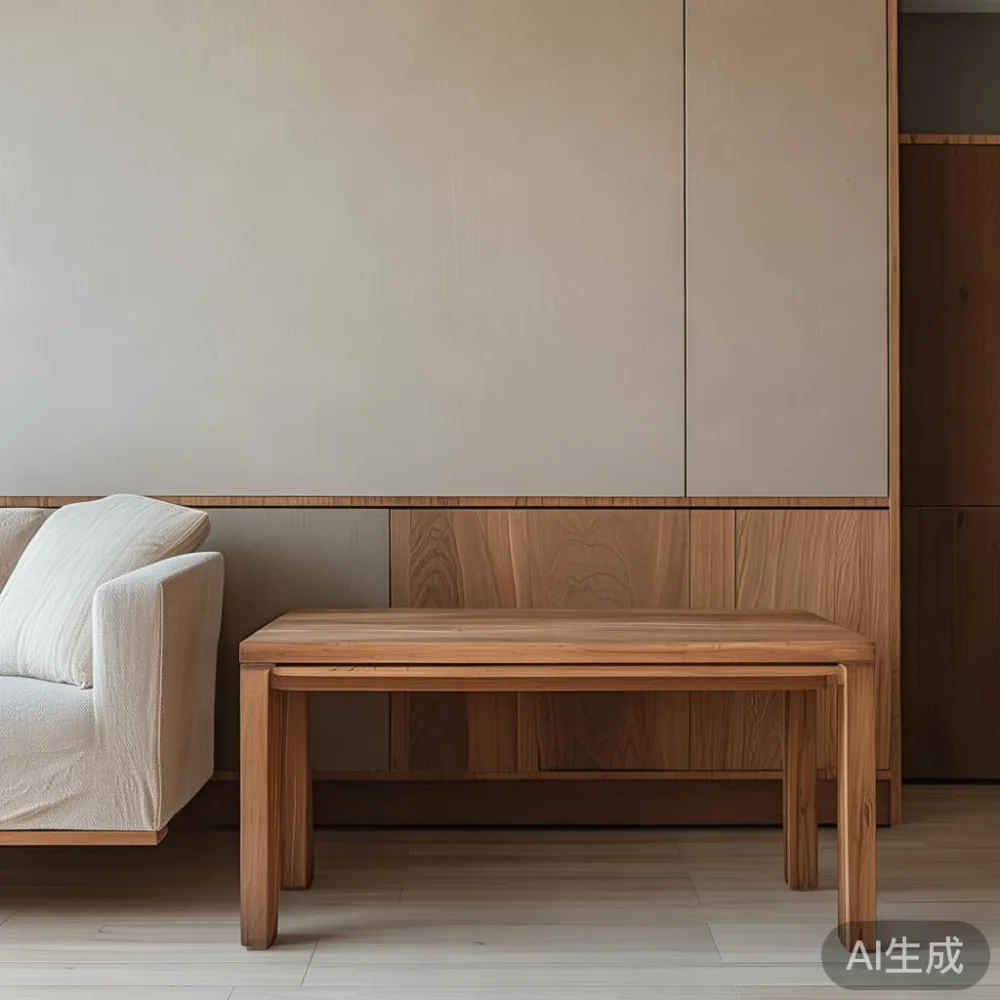
Use only a soft microfibre cloth (GSM 250-350, lint-free), lukewarm water below 40 degrees Celsius, and a pH-neutral soap such as a diluted castile liquid at 1:40 with water. That is the entire kit. Avoid silicone sprays, citrus oils, vinegar solutions above 5 percent acidity, ammonia-based glass cleaners, and any "polish" that contains toluene or xylene. These either soften the lacquer film, strip the UV inhibitor, or both.
This matters for the return policy for two reasons. First, surface damage caused by incompatible chemicals is excluded from every furniture return policy MIDHILL publishes, and from most competitors' as well. Second, chemical etching can look identical to a factory defect under flat apartment lighting. Save the receipt from any product you buy for the wood, photograph the bottle, and keep the original packaging for at least 60 days after delivery. If you ever need to claim under the 14-day return policy on visible defects, those three artefacts resolve the conversation in minutes.
Where can I buy a budget under1000 in Singapore?
You can buy a solid wood bed frame under S$1,000 in Singapore directly from MIDHILL's Singapore website, with free shipping on orders above US$350 (about S$470) and GST absorbed on the displayed price. The 1.5 m French light-luxury platform bed starts at S$880, the 1.8 m version at S$960, and both ship from the Foshan warehouse in 18-22 working days to a Singapore address, delivered into the lift lobby on weekdays between 10am and 5pm. Every order is covered by a 10-year structural warranty, a 14-day return policy on manufacturing defects, and lifetime refinishing on lacquered surfaces, which means your investment is protected long after the cardboard is recycled.
Day-to-Day Habits That Actually Make a Difference in a HDB Flat
HDB lift doors in blocks built after 2015 are usually 80 cm wide by 200 cm tall, and internal corridors are 1.2 m wide. That is enough room for any MIDHILL piece, but it means the carton stands vertically in the lift on its way up, and any lacquered face is exposed to the corridor's humidity for 5-10 minutes. Wipe the carton down with a dry cloth before opening, not after. Bringing outdoor moisture onto the piece is the most common avoidable mistake I see on the job.
Inside the flat, three habits save real money over a decade:
1. Keep lacquered pieces at least 30 cm from any air-conditioning vent. Direct cold airflow across the surface for 8 hours a day creates micro-cracks along the grain within 18 months.
2. Use felt pads under every vase, lamp, and coaster. A S$6 pack of 24 felt pads protects more value than any cleaning product on the market.
3. Rotate decorative objects every 60 days. Light should age evenly, and rotation prevents the dark "shadow" patches that show up when a planter sits in the same square metre for two years.
How Should I Handle a Spill, a Scratch, or a Heat Ring?
Spill: blot, do not wipe. Use a dry microfibre cloth and press for 10 seconds. Follow with a barely damp cloth, then a dry one. Anything beyond water, contact our care line within 24 hours.
Heat ring: place a cotton tea towel over the mark and press with a warm iron (no steam) for 8-10 seconds. The lacquer re-flows slightly and the ring fades. If it does not fade after two passes, stop. The mark is now in the wood, not the finish, and needs professional buffing, which is free under lifetime refinishing.
Scratch under 2 mm: rub a walnut kernel over the mark, then buff. The natural oils fill the micro-gap and match the surrounding sheen surprisingly well on dark walnut and oak finishes.
Scratch over 2 mm, or any chip exposing bare wood: that is a structural conversation, not a care conversation. Photograph it under daylight within 48 hours and email the case number on your delivery note. Because the return policy on visible defects runs 14 days from delivery, timing matters.
How Does This Tie Into MIDHILL's Return Policy, Warranty, and Finishing Services?
Every MIDHILL order placed through the Singapore portal ships with three layered protections: a 14-day return policy for manufacturing defects and transit damage visible on the carton at the door, a 10-year structural warranty covering frame joinery and load-bearing components on solid wood sofa, bed frame, dining table, wardrobe, nightstand, and marble table ranges, and lifetime refinishing on lacquered and oiled finishes. The refinishing service is the one most Singapore customers use first, because it is free, because the pick-up and re-delivery within mainland Singapore is included once per piece per year, and because a 25-year-old French light-luxury credenza re-lacquered in 2026 looks indistinguishable from a 2026 production piece.
Return policy coverage is clearest when the customer photographs the carton at the door before opening, photographs the defect under flat daylight within 24 hours, and keeps all packaging for 14 days. The 14-day clock starts at the timestamp on the delivery note, not on the day you assemble the piece. If the lift access at your Tampines block is restricted, tell us before dispatch. We can re-route to a courier with a tail-lift and a trolley for blocks with single-load lifts under 800 kg.
What About Post-Modern Light-Luxury Pieces with Mixed Materials?
The newer post-modern light-luxury collections pair lacquered solid wood with marble, brushed brass, and woven rattan. Caring for them is the same rule, applied per material. Marble table tops need a separate pH-neutral stone sealer every 12 months and coasters under anything acidic. Brushed brass oxidises on purpose and should not be polished with any commercial brass cleaner. Woven rattan panels in wardrobe doors stay stable as long as ambient humidity stays between 45 and 65 percent, which a S$79 dehumidifier canister handles quietly inside a wardrobe for 4-6 months per refill.
Last month I visited a 1,020 sq ft condo in Punggol where the owner had installed a French light-luxury four-poster bed frame, a 2 m American light-luxury six-drawer wardrobe, and a marble dining table from the same collection. The bed had been in place for 14 months, the wardrobe for 9. Both were spotless. The dining table had one faint ring from a forgotten soy sauce dish on Chinese New Year eve. She had followed the routine above. The ring came out in eight minutes with a warm iron and a tea towel, and we refinished the topcoat free of charge because she had kept the original delivery note and emailed us within 72 hours. That is what a real warranty looks like in practice: paperwork in the drawer, a phone number saved, and a habit of acting within the window the return policy actually defines.
Frequently Asked Questions from Singapore Customers
How long does delivery take from Foshan to Singapore? 18-22 working days for in-stock pieces, 30-38 working days for custom dimensions. Every order ships with a tracking number and a delivery window of 10am to 5pm on weekdays.
Is GST included in the price I see? Yes. The Singapore portal absorbs GST on the displayed price for orders up to S$5,000, so the number you see is the number you pay.
What if my block has a cargo lift under 1,000 kg? Tell us before dispatch. We will route the order through a third-party last-mile crew with a tail-lift truck. The surcharge, if any, is quoted in advance and never exceeds S$60 per delivery.
Does the 14-day return policy cover colour variation? Lacquered solid wood varies in grain pattern and tone by design. Pure colour shifts between samples and delivered pieces are not defects. If the variation is structural (cracking, peeling, white haze from trapped moisture), it is covered.
Can I refinish a piece myself and still keep the warranty? Yes, as long as you use pH-neutral products and microfibre cloths. Any refinishing done by MIDHILL or an authorised partner is free for the lifetime of the piece.
Building a Five-Minute Weekly Routine That Actually Lasts
The best routine is the one you will keep on a Sunday morning with coffee in hand. Here is the routine I recommend to every Singapore customer who buys a lacquered piece:
Sunday 9:00 am, 5 minutes total. Walk through the flat with one dry microfibre cloth. Solid wood sofa arms and cushions: 60 seconds. Bed frame headboard and side rails: 60 seconds. Dining table surface, both leaves: 90 seconds. Nightstand tops and wardrobe door handles: 60 seconds. Done. Every fourth Sunday, swap the dry cloth for a barely damp one and follow the same path. Every twelfth Sunday, condition the high-touch zones with a pH-neutral wood balm applied with a second cloth, let it sit for 4 minutes, buff off.
That is 5 minutes a week, 15 minutes a month, and 3 hours a year, in exchange for furniture that still looks like the day it was delivered when your HDB reaches its Minimum Occupation Period and you decide whether to renew, sell, or keep. In a market where the return policy window is short and the refinishing service is permanent, the cheapest insurance is the five minutes you spend on Sunday. Everything else is paperwork, and the paperwork is already done for you the moment your MIDHILL order lands at the lift lobby.