Humidity, Solid Wood, and Your Singapore Home: What Really Happens to Your Furniture
I keep a small digital hygrometer on my bookshelf in a 4-room HDB flat in Tampines. On most afternoons it reads between 72% and 82% relative humidity, even with the air-conditioning running. Last March, during the second week of the monsoon surge, the same hygrometer pushed past 90% for three days straight. That is the environment every piece of solid wood furniture in your living room, bedroom, and dining area is sitting in right now. After fifteen years of specifying pieces for Singapore homes, I can tell you humidity does more damage here than a decade of everyday use.
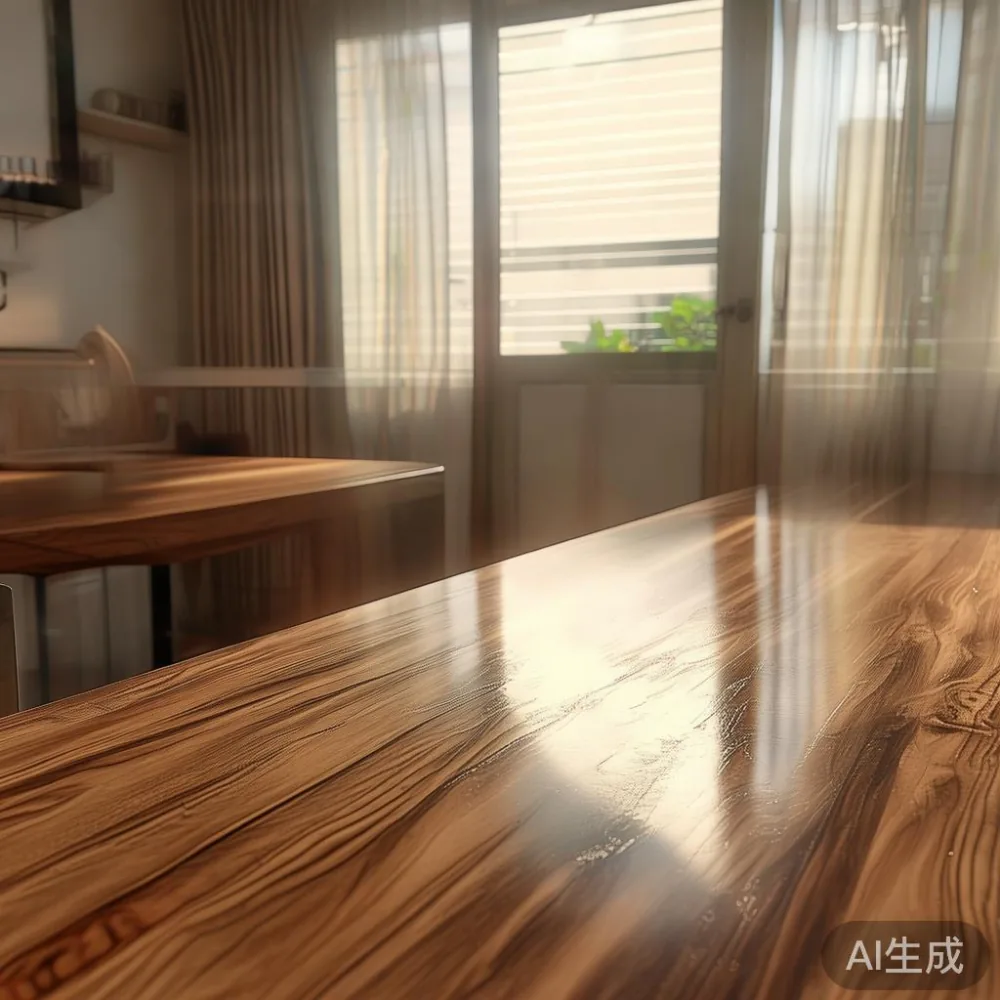
At MIDHILL, our Foshan workshop has shipped solid wood sofas, bed frames, dining tables, wardrobes, nightstands, and marble tables into HDB flats, Punggol condos, and landed houses across the region since 2008. Customers in Bedok, Toa Payoh, and Bukit Timah send the same five photos every wet season: stuck drawers, hairline cracks on tabletop ends, sticky wardrobe doors, musty smells, and cloudy patches on French light luxury finishes. This guide covers what humidity actually does to wood, how to spot the early warnings, and the practical habits that keep a solid wood piece looking right for twenty years rather than three.
Why Singapore's Climate Is Harder on Wood Than Most Buyers Realise
Singapore sits about 137 km north of the equator. Average daytime humidity runs between 70% and 85%, and night readings rarely drop below 65% unless a strong air-con cycle is active. Wood is hygroscopic, which means it physically absorbs and releases water depending on the air around it. A 2m x 1m solid teak dining table that weighs roughly 45 kg can hold between 2.5 kg and 3 kg of internal moisture at any given time. When that moisture shifts, the wood moves. Movement is not a manufacturing defect; it is the material responding to physics.
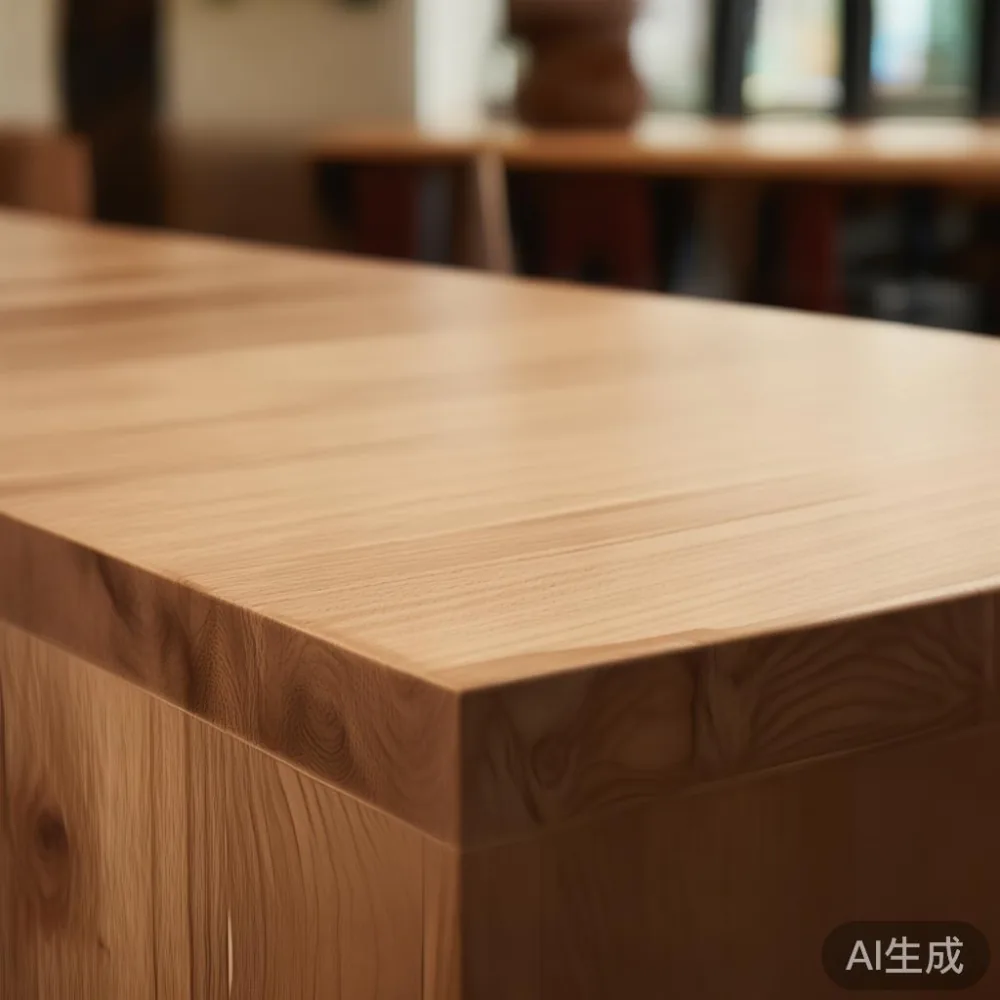
The real issue in HDB flats and condominiums is the swing, not the average. You turn the air-conditioner off for eight hours and humidity rises from 55% to 80%. You open the kitchen window to air out cooking steam and the reading jumps again. Each swing pushes the wood to expand or contract. Over twelve months, even a well-built piece can lose 2-4 mm of width across a tabletop. Across a 1.8 m surface, that is enough to open a visible gap at a breadboard end or stress a tenon joint.
Three local factors compound the problem:
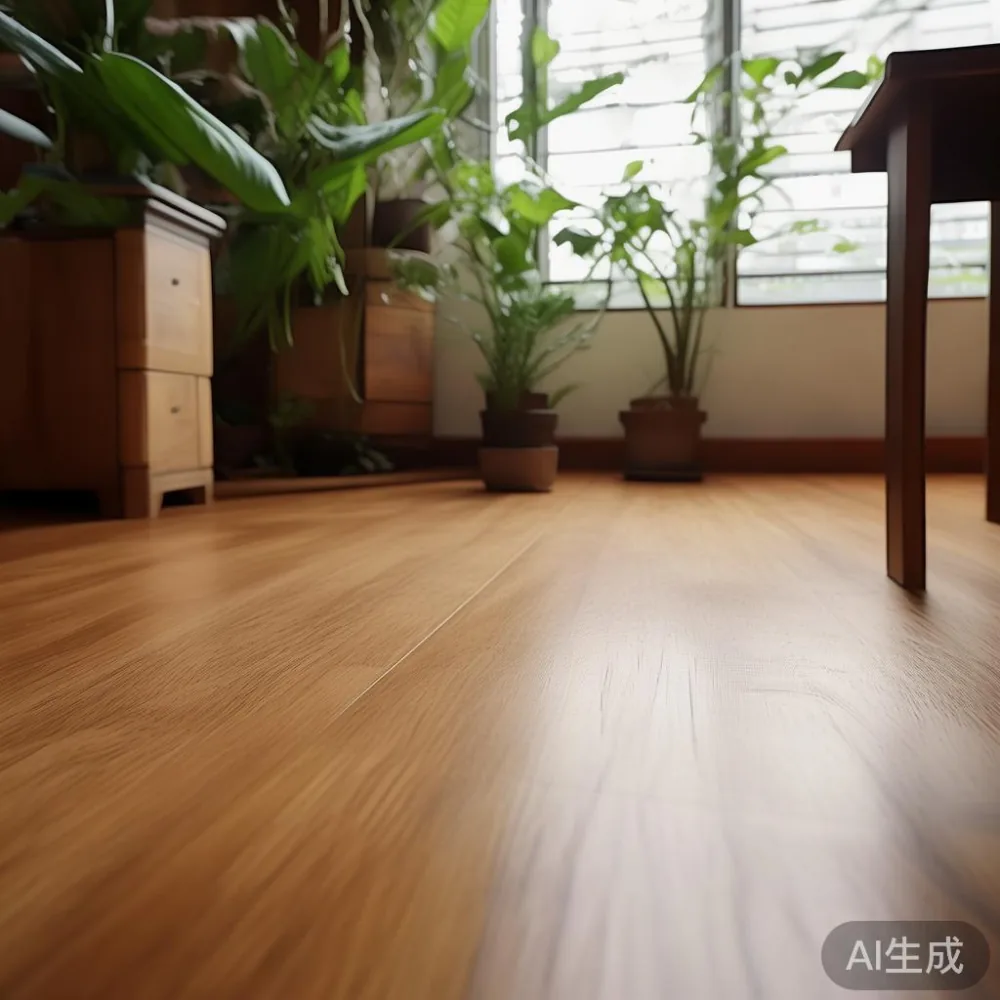
- Service-yard proximity. Many HDB layouts place the kitchen or service yard within 5m of the dining area. Steam and condensation rise during cooking, raising local humidity past 90% for an hour or two at a time.
- Corridor humidity. Lift lobbies on lower floors of older blocks hold moisture overnight. Furniture delivered through a 1.2m-wide corridor and stored for ten minutes while you clean the unit absorbs surface moisture before you even bring it inside.
- Air-con cycling. The 8-hour on-off cycle common in Singapore households creates two humidity peaks and two dips every 24 hours, instead of the gentle single curve wood prefers.
None of this means you should avoid solid wood. It means you should choose species, joinery, and finishes that handle the environment, then maintain them properly.
What Humidity Actually Does to a Solid Wood Sofa, Bed Frame, Dining Table, Wardrobe, and Nightstand
Different pieces absorb stress in different ways. A solid wood sofa frame is largely internal, so customers notice a squeaking frame or a slightly loose armrest before they see damage. A bed frame carries load, so a center rail that swells by 3 mm can start to rub against the slats. A dining table is the most exposed piece: the top, the apron, and the legs all react independently, which is why warping almost always shows up there first.
Wardrobes and nightstands are vulnerable in different places. Wardrobes fail at the doors. A 2.4m tall door panel that swells by 2 mm on each side closes fine in the dry month and refuses to shut in the wet month. Nightstands fail at the drawer slides and at the back panel, which is often the thinnest piece on the unit. A 12 mm back panel exposed to a damp wall without a 25 mm air gap will bow visibly within eighteen months in a ground-floor flat.
Marble tables react to humidity differently than wood. The stone itself is stable, but the wooden sub-frame under a marble top absorbs water and swells, which can crack the stone if the joinery is too tight. When MIDHILL builds marble tables, we leave 2-3 mm of expansion room around the substrate to absorb exactly this kind of movement.
Visible warning signs homeowners usually ignore until they become expensive:
- Hairline cracks, 5-20 cm long, appearing on tabletop end-grain in January and February (the local dry season).
- Drawer fronts that sit 1-2 mm proud of the carcass in October and sit flush in March.
- A wardrobe door that closes with a soft thud in May and needs a firm push in December.
- A musty smell in closed cabinets, a sign that internal moisture is above 18%.
- White clouding or hazing on a French light luxury painted finish, caused by moisture trapped under the lacquer.
If you catch these signs within the first twelve months, refinishing can usually reverse them. Our lifetime refinishing service exists for exactly this reason. Waiting three years usually means replacing parts.
How do I choose a assembly difficulty for a living room?
Match the assembly difficulty to the room size, the corridor access, and the piece's exposure to humidity, not to your confidence with an Allen key. That single sentence is the rule I give every customer before delivery day.
Most people choose assembly difficulty based on how handy they feel. The better question is how the piece will be moved, used, and stressed over the next ten years in a Tampines or Punggol flat. A solid wood sofa that arrives flat-packed in four boxes weighing 38 kg each is a very different project from the same sofa arriving fully assembled in a 1.8m x 0.9m crate. One fits a standard HDB lift with 250 kg of clearance. The other needs a 1.5m-wide door and a team of three.
For Singapore homes, I rate assembly difficulty across three tiers:
- Easy (under 30 minutes, two people, basic tools). Nightstands, side tables, marble tables with pre-assembled tops. These rarely cause return-policy requests because nothing critical can go wrong.
- Medium (45-90 minutes, two people, included hardware). Standard bed frames, 4- or 6-seat dining tables, 2-door wardrobes. This is the sweet spot for most HDB customers and what we ship most often.
- Advanced (2-4 hours, two experienced people, drill and level required). Large modular wardrobes over 2m wide, post-modern light luxury media walls, oversized dining tables over 2.2m. These pieces need to be planned around your lift size and corridor width before they leave the workshop.
Our return policy covers pieces that arrive damaged or with missing parts; it does not cover pieces damaged during self-assembly on a difficult tier. So if the lift at your block measures 1.0m wide and 1.4m deep, the advanced tier will not physically reach your floor. Always measure the lift, the lift lobby door, your corridor (usually 1.2m in HDB, wider in most condos), and your unit entry door (0.9m standard, 1.0m at fire-rated exits) before confirming a difficult assembly.
The Return Policy Question Almost Every Singapore Customer Asks at Checkout
"What does the return policy cover for solid wood pieces that crack in the first wet season?" I get this question at least four times a week, mostly from first-time buyers who have owned only compressed-wood or laminate furniture before. The honest answer depends on the cause, which is why documentation matters.
Our 14-day return window covers manufacturing defects, transit damage, and finish failures that are present at the moment of delivery. We extend that window indirectly through the 10-year structural warranty, which covers joint failures, frame cracks, and major warping linked to workmanship. Hairline surface cracks caused by humidity movement in an air-conditioned HDB unit are not covered, because they are a reaction to the environment rather than a fault in the piece. Reversing them is part of lifetime refinishing, which any MIDHILL customer can book at cost plus shipping, with shipping free over S$480 within Singapore.
Two practical tips that have saved customers real money over the years:
- Photograph every piece the day it is unboxed. A 200mm hairline crack at the end of a tabletop is much easier to assess with a dated photo than from memory six weeks later.
- Keep the room humidity between 45% and 65% for the first 30 days after delivery. A S$45 desktop dehumidifier covers a 12 sqm living room and protects a S$2,400 dining table far more effectively than any warranty ever could.
If a piece arrives with visible damage, our return policy lets you refuse the delivery at the door and we arrange collection within 48 hours, no questions asked. The same applies if a part is missing or the finish is defective on arrival.
Species, Finishes, and Joinery That Survive a Tampines HDB Flat
Not all solid wood reacts to Singapore humidity the same way. Teak, white oak, and walnut move roughly 30-40% less across the seasons than rubberwood or pine. That difference is why a French teak rattan wicker dining chair built with kiln-dried teak and a marine-grade varnish can sit on an open balcony in Sentosa for eight years and still look right, while a comparable pine chair would split within two monsoon cycles.
Three rules of thumb when you are comparing pieces in a showroom or a Singapore furniture catalogue:
- Check the moisture content. Quality workshop output is dried to 8-12% moisture before assembly. Anything above 15% will move aggressively in the first six months in a HDB flat.
- Look at the joinery. Mortise-and-tenon, dovetail, and finger joints handle movement well. Staples, brad nails, and glue-only joints do not. Lift the back panel; if you see staples, walk away.
- Inspect the finish. A post-modern light luxury finish applied in a controlled spray booth is far more even than hand-applied wax on the same piece. Even finishes handle moisture without spotting.
For coastal-facing condos in Punggol or Marine Parade, ask for marine-grade conversion varnish on horizontal surfaces such as dining and marble tables. The S$180-220 upcharge pays back inside the first wet season through fewer refinishing visits.
A Morning in the MIDHILL Singapore Showroom, Last Month
Last month I spent a Thursday morning with our customer service lead reviewing return reasons from the previous quarter. Out of 142 Singapore deliveries, eleven generated a return or exchange request. Seven were transit damage caught at the door. Three were finish defects identified within 48 hours. One was a customer in Bedok who ordered a 2.4m solid wood wardrobe and only measured his service yard door after the unit was built. The wardrobe would not physically fit through his 0.85m corridor, so we rebuilt the unit at 2.0m and credited the difference against his next order.
Two patterns stood out. Customers who measured their lift, their corridor, and their unit entry door before ordering had a near-zero return rate. Customers who skipped this step generated every avoidable exchange we processed. The second pattern was humidity-related defects that the customers themselves could have prevented with a S$45 dehumidifier running four hours a day for the first month.
If you are budgeting for a full solid wood package in a Singapore home, a realistic total for a 4-room HDB sits between S$8,500 and S$14,000 before GST. A landed property typically runs S$22,000 to S$38,000 installed. Add S$120-180 for a dehumidifier set, S$200-300 for annual maintenance products, and you have a realistic five-year ownership cost that keeps every piece looking sharp through every monsoon cycle.
Your First 30 Days: A Practical Humidity Routine
Once a piece is in your home, the first month decides how it will look in year five. A simple routine covers almost every issue:
- Days 1-7: Keep the room at 22-24 degrees Celsius and 50-60% relative humidity. Do not place any solid wood piece directly against an external wall; leave a 25mm air gap.
- Days 8-14: Open and close every drawer, door, and extension leaf daily. Wood that moves evenly moves less.
- Days 15-30: Apply a thin coat of paste wax or approved oil to horizontal surfaces every seven days. This seals the end grain where cracks start.
- Every quarter: Check humidity readings and inspect high-stress points. Photograph any changes for your records.
For marble tables, the routine adds one step. Wipe the stone surface dry after any spill within five minutes. Even sealed marble will darken locally if liquids sit for thirty minutes.
Solid wood furniture rewards attention. Ignore it, and the climate will rework it for you. Maintain it well, and a 45 kg dining table or a 60 kg wardrobe handed down through two decades of Singapore humidity will still feel like new furniture. That balance between physics and care is what makes the category worth specifying in the first place, and it is why our workshop has shipped into more than fifteen countries without changing the basic construction methods that handle humid climates.