Humidity, Wood, and Your Return Policy: A Singapore Buyer's Guide to Solid Wood Furniture
Living in Singapore means living with humidity readings between 78% and 95% for most of the year. I learned this the hard way last March, when I walked into a Tampines HDB4 room and found a customer's six-month-old solid wood sofa with a 4 mm gap along one armrest. The homeowner swore she had never spilled anything on it. She was right. The culprit was the air. When I tell Singaporeans about how tropical moisture interacts with solid timber, I usually start with that room, because the return policy conversation is really a humidity conversation before it is anything else.
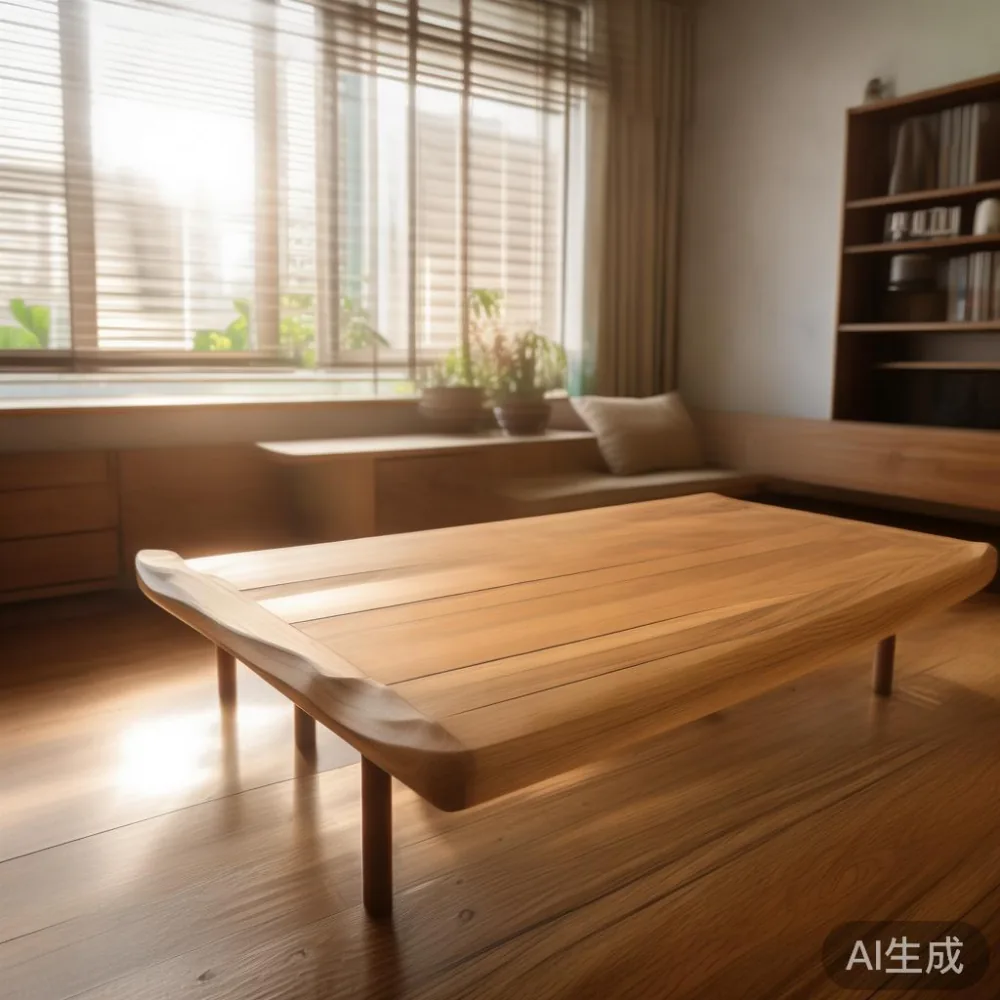
MIDHILL is a Foshan factory established in 2008, shipping container-load solid wood sofa frames, bed frame platforms, dining table tops, wardrobe panels, and nightstand cabinets across more than fifteen countries. Every order over US$350 ships free, and the company backs each piece with a ten-year structural warranty, lifetime refinishing, and a 14-day return window. That return policy is generous by industry standards, and it is also the reason you should understand humidity before you press "buy" on a 2.4 m European-style wardrobe that has to survive your Bedok corridor.
Why does Southeast Asian humidity warp solid wood in a Singapore HDB flat?
Solid wood is hygroscopic. It absorbs and releases moisture until it matches the surrounding air. In a Tampines or Punggol condo where the indoor relative humidity sits between 70% and 85% for nine months of the year, a kiln-dried oak board can swell by 2% to 4% across the grain. On a 180 cm dining table top, that translates to roughly 7 mm of movement. The same physics turn a tightly fitted wardrobe door into a door that scrapes the frame in July.
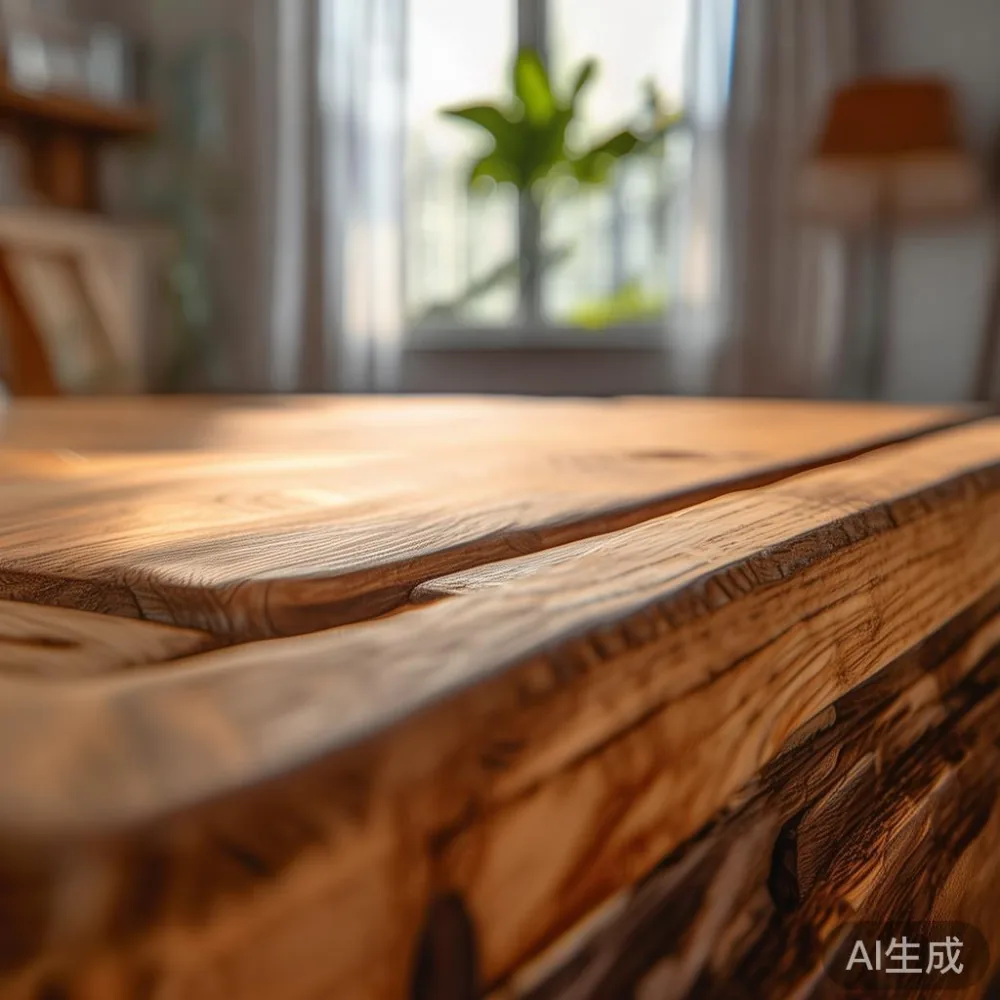
Last month I visited a Punggol Waterway Terrace unit where the owner had placed a MIDHILL dining table review subject — a 1.6 m rubberwood dining table with extension leaves — directly under the aircon return. Within eighteen months, the extension rails had stiffened so badly that the family could no longer pull the leaves out. The wood had not failed. The humidity had, in slow motion. This is why the return policy matters: most complaints we see are not defects; they are environmental responses that the buyer was not warned about.
What humidity numbers actually matter for a solid wood sofa or bed frame?
Keep your bedroom between 45% and 60% RH. Keep your living room under 65% RH. Anything above 70% sustained for sixty days is where you start to see cupping on a dining table top, crowning on a bed frame slat, or that sticky "the drawer won't close" feel on a nightstand. A SGD 25 hygrometer from a Tampines Mall shop is the cheapest insurance you can buy for furniture costing SGD 2,800.
For comparison, a dehumidifier rated at 12 L/day typically costs between SGD 280 and SGD 450, and pulls a 25 sqm HDB room down to 50% RH within four hours. Run it eight hours nightly and your monthly electricity bill rises by roughly SGD 18. That is a small price to protect a SGD 3,200 solid wood sofa frame from the seasonal swell that the return policy cannot cover, because seasonal swell is not a manufacturing defect.
How wide is the lift in your HDB block, and why does it change your wardrobe choice?
Most HDB lifts in Bedok, Tampines, and Punggol measure between 1.0 m and 1.3 m wide internally, with door openings of about 0.9 m. Corridor corners on the upper floors can swing as tight as 1.5 m. A European-style wardrobe with a 2.4 m body and 60 cm depth, even when flat-packed, still produces panels of 2.4 m by 0.6 m by 0.05 m. Those numbers matter when you are wondering how to style European wardrobe in apartment layouts where the geometry will not let the box through the door.
When I worked on a Jurong East condo delivery in February, the corridor on the fourteenth floor turned 90 degrees with only 1.4 m of clearance. We had to rotate the wardrobe panel 45 degrees and tilt it past the fire-hose cabinet. The delivery team earned their SGD 80 staircase fee that afternoon. If you are thinking about how to style European wardrobe in apartment spaces with tight access, measure your lift, your corridor, and your front door before you order — not after. The 14-day return window does not cover "it does not fit through my door," and the warranty does not either.
Does a marble table handle Singapore humidity better than solid wood?
Yes, for the top surface. Marble is roughly 0% hygroscopic, so it does not swell or shrink with the monsoon. A MIDHILL marble table with a solid wood base, however, still moves at the joints. The trick is to keep the stone slab acclimatised for seventy-two hours inside your home before the fitter installs it, because a cold slab pulled from a 25°C air-conditioned container into a 32°C HDB living room will condensate. Wipe the condensation within ten minutes, not ten hours. Acidic spills — calamansi, vinegar, cola — etch marble in under a minute. That damage is not covered under any return policy or warranty.
For families with young children in Punggol, I usually recommend a marble dining table top paired with a rubberwood or ash base. The stone resists spills, the wood accepts the movement, and the joint is engineered with a 3 mm expansion gap hidden under the lip. This is the kind of detail you will find in light luxury sofa vs Mid-century modern sofa comparisons as well: French light luxury tends to pair stone with figured veneer; American light luxury tends to use reclaimed solid planks; post-modern light luxury mixes both with brushed brass.
How long does MIDHILL delivery take from Foshan to a Singapore condo?
From the Foshan factory floor to a Singapore HDB doorstep, door-to-door runs between 28 and 42 days. Sea freight from Shenzhen or Hong Kong takes 7 to 10 days, then customs clearance adds 2 to 4 working days, then local delivery and lift booking slot another 3 to 7 days. A dining table for six with a marble top typically weighs 95 kg to 120 kg crated; a solid wood sofa frame weighs 60 kg to 85 kg; a king-size bed frame platform weighs 70 kg to 95 kg. A full HDB set — dining table, four chairs, sofa frame, coffee table, and one nightstand — clears 250 kg easily.
For customers above 350 USD, shipping is complimentary, but lift bookings at HDB blocks require a SGD 20 to SGD 60 administrative fee depending on the town council. GST at 9% applies to the declared CIF value, and your invoice will show it as a separate line. Keep that invoice. If you need to use the return policy within fourteen days, the GST line is what finance uses to refund you, and it is also what determines whether a replacement attracts a fresh tax bill.
What does the MIDHILL return policy actually cover for solid wood pieces?
The 14-day return policy covers manufacturing defects, transit damage documented within forty-eight hours of delivery, and items that arrive with the wrong configuration. It does not cover seasonal movement, humidity-related warping under 6 mm across a 2 m span, finish wear from sunlight, or stains from food spills. A solid wood sofa with a sprung seat is treated as a single SKU, so partial returns on cushions are not accepted. Bed frame slats replaced under the ten-year structural warranty are shipped free, but the SGD 60 to SGD 120 fitter fee is on the buyer.
I tell every Tampines and Bedok customer the same thing: photograph the crate on arrival, photograph the unboxing, photograph the first evening, and photograph the first week. Four timestamps, four photos. That paper trail is what closes a return claim inside the fourteen-day window, and it is what the Foshan factory customer-service team asks for in 80% of cases I have seen. Lifetime refinishing, by the way, is separate from the return policy — it is a sanding-and-re-oiling service you can book every five to seven years at SGD 180 to SGD 320 per dining table or wardrobe.
Is a Japanese-style dining room better for humid climates?
Japanese for dining room design leans on low tables, breathable joinery, and raised legs that keep the wood 5 cm to 8 cm off the floor. The reason is centuries of humidity management. A Japanese bed vs Modern bed comparison follows a similar logic: a low platform bed frame with slatted ventilation gaps of 2 cm to 3 cm dries out faster than a boxed-in modern bed with a fabric skirt. Airflow is the deciding factor, not the wood species.
If you are styling a Singapore dining room with a Japanese influence, choose a solid wood dining table between 140 cm and 160 cm long, paired with chairs that have a 42 cm seat height — that matches the Japanese proportion and works for adults between 150 cm and 185 cm tall. Add a single piece of ikebana or a low ceramic bowl, leave the underside of the table exposed, and run a ceiling fan at speed 2 during meals. You will see 2% to 3% less seasonal movement in the table over a year than a fully skirted Western-style setup.
How should you acclimatise a new MIDHILL piece before complaining about movement?
Acclimatise for fourteen days. Place the piece in its final spot, open the doors and drawers for two hours each evening, run a dehumidifier for the first seven nights, and resist the urge to load the wardrobe with clothes on day one. A wardrobe panel needs the air around it to stabilise, and a stack of cotton T-shirts traps 8% to 12% moisture against the back panel for weeks.
For a 2.4 m wardrobe shipped from the Foshan factory, the container humidity is usually around 55%, while a Tampines flat is around 80%. The wood will move in the first month. If the doors stick by less than 2 mm at week three, that is normal. If they stick by more than 5 mm after a full month with the dehumidifier running, photograph the gap with a steel ruler in frame and lodge a return policy claim inside the fourteen-day window — the shipping damage team will arrange pickup at no charge above the SGD 350 order value.
Can light luxury and humidity coexist in a 90 sqm Singapore condo?
Yes, if you choose the right species. French light luxury tends to favour walnut and ash; American light luxury leans on white oak and reclaimed pine; post-modern light luxury mixes engineered stone with warm-tone solid wood. In Singapore, I steer customers toward rubberwood, ash, and white oak for under 2000 Coastal furniture orders because these species accept moisture cycles with less visible movement. Teak and mahogany are excellent but push the price above SGD 4,500 for a comparable dining table.
A solid wood sofa with a kiln-dried ash frame, a bed frame in white oak, a dining table in rubberwood, a wardrobe in ash veneer over solid ply, and a nightstand in solid rubberwood is a realistic SGD 9,800 to SGD 14,500 set for a 90 sqm Punggol or Bedok condo. Add a marble table for the entrance, and you have the under 2000 Coastal furniture aesthetic without paying premium-warehouse markups.
What should I photograph if I want to start a return policy claim?
Photograph the outer crate, the inner foam, the piece from four angles, the serial number sticker, the delivery note, and any area of concern with a ruler or coin next to it for scale. Submit all six photos through the MIDHILL customer portal within fourteen days of delivery. The Foshan factory team typically responds within forty-eight hours, and approved claims are scheduled for pickup within five working days. Refunds are processed back to the original payment method within seven to ten working days, and the 9% GST line is refunded in full.
Keep your measuring tape, keep your hygrometer readings, keep your dehumidifier receipts. The return policy is a contract between you and the factory, and the factory honours that contract when the buyer shows up with evidence. Humidity is the silent third party in that contract — it is rarely the reason a claim fails, but it is the reason so many claims are never filed in the first place.