Understanding Solid Wood Furniture Pricing: Beyond the Surface
For many Singaporeans, furnishing a new home—be it a compact 4-room HDB flat in Tampines or a spacious condominium in Punggol—is a significant investment. We work through narrow lift corridors with bulky items, consider the 7% Goods and Services Tax (GST), and seek pieces that offer both durability and style. Among the options, solid wood furniture stands out as a timeless choice, but its price tag can vary dramatically. A solid wood dining table might cost SGD 1,500, while a similar-looking one could cost SGD 4,000 or more. What creates this disparity? It's not just about the wood itself. The price is a composite of material, craftsmanship, design, logistics, and even the brand's philosophy. Understanding these factors helps you make a more informed decision, ensuring your investment is sound and your home reflects your taste.
The Core Material: It's More Than Just "Wood"
The single most significant factor in the price of solid wood furniture is the raw material itself. However, "solid wood" is a broad term that encompasses dozens of species, each with unique characteristics, origins, and costs. Hardwoods, like oak, walnut, and maple, are denser and more durable than softwoods like pine or rubberwood. A solid wood bed frame made from North American White Oak, for example, will command a higher price than one crafted from Chinese Oak or Pine.
The origin of the wood matters immensely. A French-inspired solid wood sofa frame using European Ash will be priced differently from one using sustainably sourced teak from Southeast Asia. The thickness of the wood is another critical detail. A wardrobe with panels that are 2.5cm thick is built for a lifetime of use, whereas one with 1.2cm panels might be more susceptible to warping in Singapore's humid climate. This attention to material integrity is a direct reflection of the furniture's longevity and value.
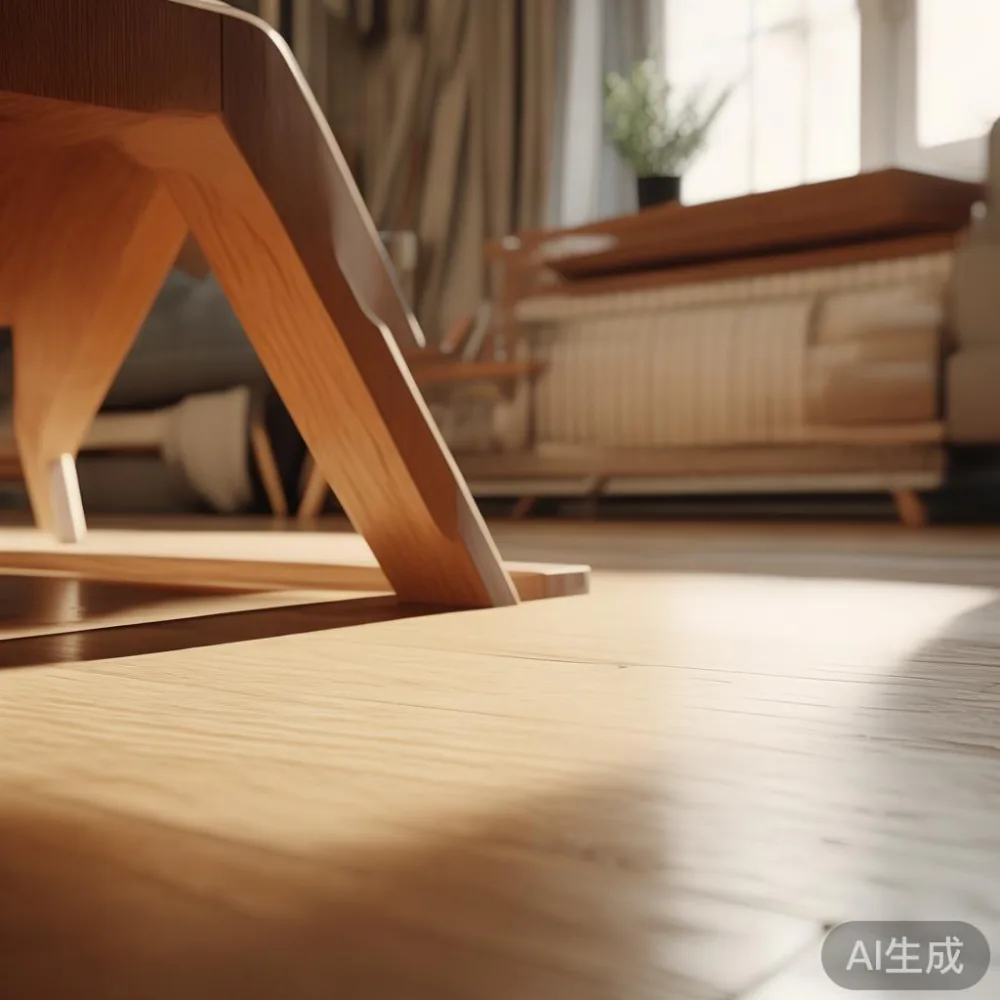
For instance, a solid wood dining table made from European Oak might weigh approximately 45kg and measure 180cm x 90cm x 75cm, priced at SGD 2,800. In contrast, a similar-sized table made from Chinese Rubberwood might weigh only 38kg and cost around SGD 1,200. The density difference affects not only the price but also the furniture's resistance to Singapore's high humidity levels, which can cause wood to expand and contract.
Why Craftsmanship and Labour Costs Make a Difference
Once the wood is selected, the human element takes over. This is where the price gap truly widens. High-end furniture, especially pieces with light luxury positioning, often involves joinery techniques that have been used for centuries. A post-modern light luxury dining table might feature hand-cut dovetail joints on its drawers, a method that provides superior strength and is a hallmark of fine craftsmanship. This is in stark contrast to furniture assembled with simple dowels or staples.
The finishing process is another labour-intensive step. A hand-rubbed oil finish that brings out the natural grain of the wood requires approximately 8-10 hours of work from a skilled artisan over a period of 3-4 days. In contrast, a spray-painted finish can be applied in under 2 hours. My colleague visited a workshop last month and observed a team of artisans hand-sanding a marble table top for over 90 minutes before a single coat of lacquer was applied. This level of detail is time-consuming and directly adds to the final cost, but it's what ensures the piece will look beautiful for decades.
Consider a solid wood wardrobe: a mass-produced version might take approximately 6 hours to assemble using pre-cut components and basic hardware, while a handcrafted wardrobe with mortise and tenon joints can take up to 40 hours of skilled labor. This difference in time investment explains why the handcrafted version might cost SGD 3,500 compared to the mass-produced version at SGD 1,800.
Design, Brand, and the Light Luxury Aesthetic
The design of a piece of furniture is more than just its appearance; it's its intellectual property and brand identity. A simple, minimalist nightstand is straightforward to design and manufacture. However, a French light luxury-inspired nightstand with intricate carvings, specific curves, and a unique brass inlay requires a significant investment in design and prototyping. The design phase alone might take 3-4 months, with multiple prototypes costing around SGD 15,000 to develop before production begins.
The brand's reputation also plays a role. A company established in 2008, like MIDHILL, with a 10-year structural warranty and a lifetime refinishing service, builds trust. This peace of mind is factored into the price. Customers are paying not just for the physical product but for the assurance that if something goes wrong, they have recourse. The "light luxury" positioning itself is a market segment that commands a premium. It represents a specific aesthetic—clean lines, premium materials, understated elegance—that appeals to a discerning clientele.
For example, an American light luxury bed frame might feature hand-stitched leather headboard details and custom-designed metal hardware that takes a craftsman approximately 12 hours to complete. This attention to detail improves the piece from a simple bed frame to a statement piece that can cost SGD 4,500 compared to a standard bed frame at SGD 1,200.
What About Logistics and Local Singaporean Factors?
Getting furniture from a workshop in Foshan to your HDB flat in Bedok involves a complex logistical chain. The cost of raw materials, skilled labour, factory overheads, and international shipping all contribute. When the furniture arrives in Singapore, there are local costs to consider. The 7% GST is applied to the landed cost of the goods. Then there's the domestic delivery and installation.
A large wardrobe, for instance, might weigh 120kg and measure 240cm x 200cm x 70cm. Delivery companies charge based on size, weight, and complexity. In Singapore, working through narrow corridors in older HDB blocks can add SGD 50-100 to the delivery cost. A free shipping offer on orders over SGD 350 is a significant value proposition that simplifies this process for the customer.
For those living in condos with wide lift corridors (typically 120cm wide), delivery might be simpler, but for many in older estates with corridors as narrow as 90cm, working through tight spaces adds to the operational cost. Also, Singapore's climate requires special packaging and handling to protect the furniture during the 14-21 day shipping journey from Foshan, which adds approximately 15-20% to the total shipping cost.
What is the difference between American country master bed and modern furniture?
The primary difference lies in design philosophy, material usage, and construction techniques. American country master beds typically feature solid wood construction with visible joinery, distressed finishes, and rustic charm. Modern furniture, by contrast, emphasizes clean lines, minimal ornamentation, and often incorporates materials like metal and glass alongside wood.
American country beds are usually made from solid oak, pine, or walnut, with panel headboards and footboards that showcase the wood's natural grain. These beds often have a substantial presence in a room, with heights ranging from 120cm to 150cm. Modern beds tend to be lower to the ground, typically between 40cm and 60cm in height, and may feature platform designs without box springs.
Construction methods also differ significantly. American country beds often use traditional joinery techniques like mortise and tenon joints, which take approximately 20-25 hours to complete. Modern furniture might use concealed hardware and engineered wood components, reducing construction time to 8-10 hours per bed. This difference in labor explains why a solid wood American country bed might cost SGD 3,800 while a modern bed of similar size might be priced at SGD 2,200.
Common Mistakes When Buying Solid Wood Furniture
When investing in solid wood furniture for your Singapore home, it's important to avoid these common pitfalls:
- Confusing "solid wood" with "wood veneer" - Solid wood furniture is made entirely from lumber, while veneer uses a thin layer of real wood over a cheaper base material.
- Ignoring humidity considerations - Singapore's 80% average humidity can affect certain wood types. Teak, oak, and walnut perform better than pine in our climate.
- Overlooking actual dimensions - Measure your space carefully, including door widths (typically 80cm in HDBs) and lift corridors before purchasing.
- Not checking the return policy - Ensure you understand the terms for returns, especially for large items that are difficult to transport.
- Discounting long-term value - A cheaper piece that needs replacement in 5 years may cost more over time than a quality piece lasting 20+ years.
- Forgetting about assembly requirements - Some furniture requires professional assembly, adding SGD 80-150 to the total cost.
Understanding Value: Beyond the Price Tag
When evaluating solid wood furniture, it's important to consider the total value proposition, not just the initial purchase price. A well-made piece of furniture should last for decades, making it a sustainable choice for both your home and the environment.
Consider the cost per year of use. A SGD 2,000 dining table that lasts 20 years costs approximately SGD 100 per year, while a SGD 800 table that needs replacement in 5 years costs SGD 160 per year. Over time, the higher initial investment provides better value.
Quality furniture also maintains its aesthetic appeal longer. A well-crafted solid wood sofa with premium upholstery might look as good after 10 years as it did when new, whereas a cheaper sofa may show wear within 3-5 years. This longevity is particularly important for homeowners who plan to stay in their HDB or condo for extended periods.
Return Policy Considerations
A comprehensive return policy provides peace of mind when making significant furniture purchases. When evaluating a retailer's return policy, consider these key factors:
| Policy Element | Standard Offering | Premium Offering |
|---|---|---|
| Return Window | 7-14 days | 14-30 days |
| Return Conditions | Unused, in original packaging | Minor assembly marks acceptable |
| Return Cost | Customer bears shipping | Free pickup and return |
| Refund Processing | 7-14 business days | 3-7 business days |
| Exchange Options | >Same item only | Different items available |
Companies like MIDHILL that offer a 14-day return policy provide customers with adequate time to evaluate furniture in their actual living space. This is particularly important for large items like wardrobes or dining sets that may look different in your home than they did in the showroom. A good return policy should clearly state conditions, timeframes, and any associated costs to avoid misunderstandings later.
Making an Informed Decision for Your Singapore Home
When selecting solid wood furniture for your Singapore residence, consider your specific needs and constraints. For HDB flats in areas like Tampines or Bedok with standard corridor widths of 90-120cm, consider furniture that can be disassembled for easier transport. Condo dwellers in Punggol with more spacious layouts might opt for larger statement pieces.
Remember that the 7% GST applies to all furniture purchases in Singapore, so factor this into your budget. For international pieces like Italian light luxury dining chairs UAE residents might purchase, import duties and additional shipping costs can add 15-25% to the final price.
Ultimately, the price of solid wood furniture reflects a combination of factors: the quality of materials, the skill of craftsmanship, the value of design, and the costs of logistics and local considerations. By understanding these elements, you can make a more informed decision that balances your budget with your desire for quality and longevity.