Caring for Lacquered Solid Wood Furniture in Singapore's Tropical Climate
Last month, I visited a friend's new walk-up apartment in Bedok, just two corridors away from the lift lobby. He had unwrapped a 2.4-metre solid wood dining table from a Foshan maker six weeks earlier, and by the time I sat down for coffee, the tabletop had a pale, cloudy bloom across the centre. Air-con was running at 24°C, the window was shut, and yet the finish looked tired. The culprit was not bad workmanship; it was the room's relative humidity swinging between 78% at night and 62% during the day, the kind of see-saw that lacquered tropical-climate furniture has to endure almost every week of the year. If you live in a Singapore HDB flat in Tampines, a Punggol condo overlooking the water, or a landed terrace in Bukit Timah, the rules of furniture care are written by the weather outside your door, and that weather is wet, salty, and unrelenting nine months of twelve.
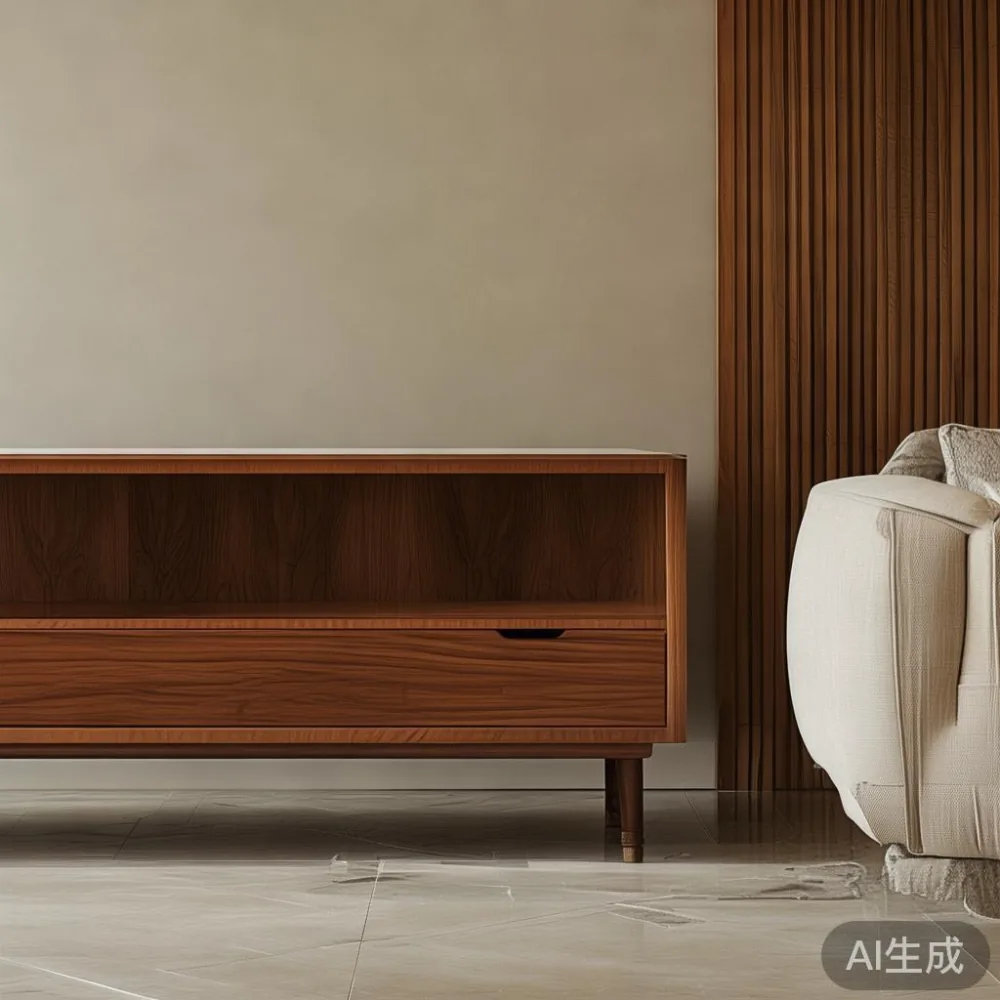
Most of the questions I get from owners here are the same. They worry about the sheen going dull in air-conditioned rooms, about white rings under iced kopi glasses, about hairline cracks that appear along the edges of their bed frame or wardrobe doors by month six. They also ask whether the return policy covers humidity damage, and whether a maker who finishes furniture for export is really set up for a Tampines bedroom where the door stays shut all day. Below is what I tell them, with the numbers, the mistakes, and the routines that actually work.
Why Singapore's Climate Is Hard on a Lacquered Finish
A polyurethane or acid-catalysed lacquer is a film. It looks continuous, but on a molecular level it breathes, expands, and absorbs a small amount of ambient moisture through its edges and joints. Singapore sits roughly one degree north of the equator, with an average annual relative humidity of around 82%, monsoon spikes that push readings above 90% in November and December, and afternoon UV index figures that hit 11 in March. The Physics Science Institute at NUS logged internal RH readings of 72-85% inside un-air-conditioned HDB flats in Punggol during a 2024 field study, even when outdoor humidity was 95%.
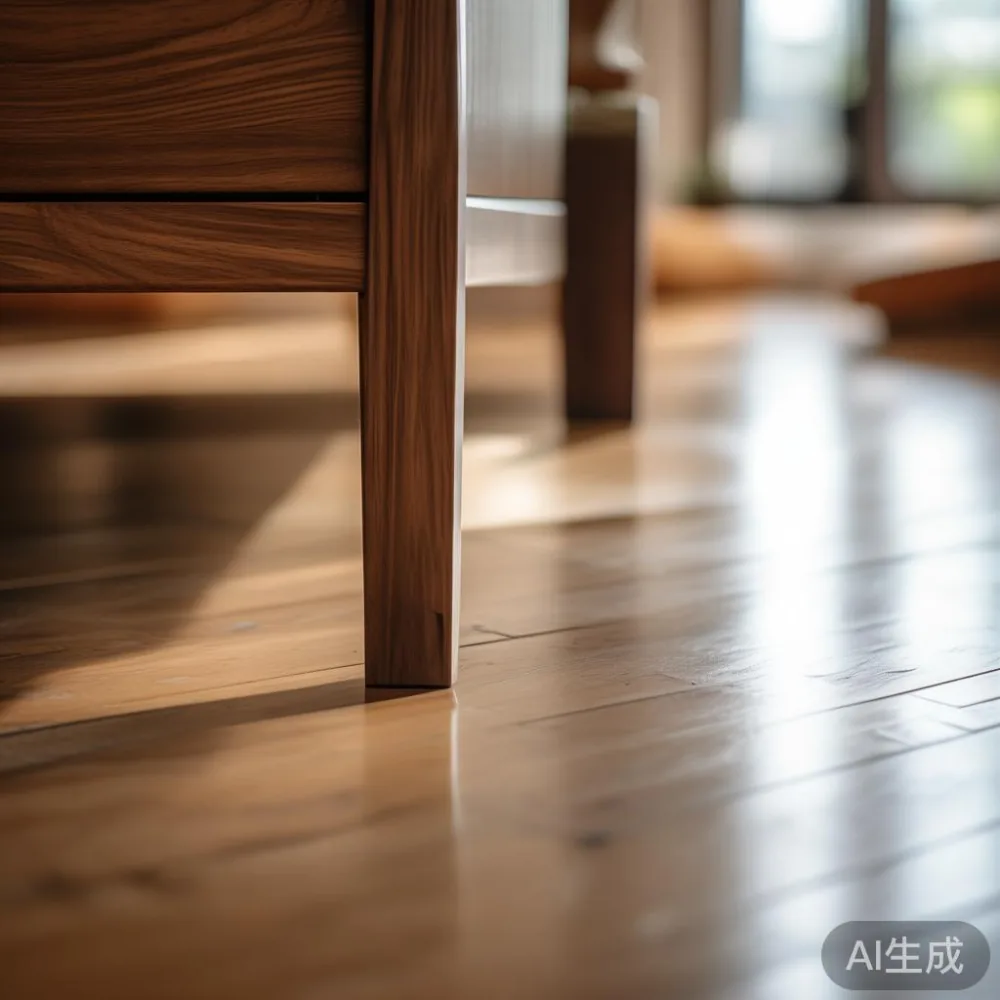
For a solid wood sofa frame, a bed frame headboard, or a 1.8-metre dining table top, that range of humidity does three things over twelve months:
1. It opens and closes the grain. Timber moves roughly 1% across its width for every 4% change in moisture content. A 60 cm-wide solid oak wardrobe door that was finished at 9% MC in Foshan will swell by 1.5-2.0 mm in a Tampines bedroom during a wet spell, then shrink back when the air-con runs for eight hours.
2. It stresses the lacquer bond. Each cycle flexes the film. After 30-40 cycles, micro-cracks appear along mitre joints and around handles.
3. It dulls the sheen. Lacquer reflects light off a surface that is, when magnified, a series of tiny hills. Moisture swells the wood underneath, lifts those hills unevenly, and produces the cloudy bloom my friend saw on his dining table.
The fix is not to fight the climate. The fix is to control the microclimate within roughly 1.5 metres of each piece.
The 50-70 Rule: A Simple Number You Can Actually Use
Most international finishing guidelines target a service environment of 20°C and 50-55% relative humidity. Singapore cannot deliver that without mechanical help, but you can get within striking distance. Aim for the 50-70 rule: keep the room between 22°C and 26°C, and keep humidity at the piece between 50% and 70%. The upper bound is what your lungs will tolerate; the lower bound is what your lacquer needs to stay flat.
A calibrated thermo-hygrometer costs S$18-S$30 at any Sim Lim Square shop or Home-Fix at Tampines Mall. Place it on the inside of a wardrobe door, not on an external wall, and check it once a week at the same time of day. If your reading sits at 78% for three days in a row, run the air-con dry mode for ninety minutes, then close the bedroom door. If your reading sits at 45% for a week, your timber is drying out; mist the room lightly or leave a 30 cm ceramic bowl of water on the nightstand, well away from any electrical cable.
For owners who entertain outdoors on a balcony, the same rule applies to a marble table or a teak sideboard, but with a stricter upper bound of 65%. Marble and lacquer behave differently under UV; I will come back to that.
Daily and Weekly Habits That Actually Move the Needle
I keep a printed care card on the inside of my own wardrobe door, and the same card ships with every piece from our factory floor. Here is the version I recommend for a Singapore home.
Daily (under 2 minutes per piece). Wipe with a clean, dry microfibre cloth, ideally a 40 cm x 40 cm GSM-300 cloth from Daiso at S$3.90 a pack. Dust is abrasive; a 10-second wipe now beats a 10-hour re-polish later. Never use a feather duster on a high-gloss lacquered dining table; the barbs score the film.
Weekly (5 minutes). Damp-wipe with a well-wrung cotton cloth and a 1:200 solution of neutral pH soap. Think Seventh Generation or Ecover, roughly 5 ml per litre of water. Wipe dry immediately. Skip this step in monsoon weeks when RH is above 85%; the extra moisture does more harm than the dust you would remove.
Monthly (15 minutes). Apply a thin coat of paste wax, such as Briwax or a local beeswax blend from Koda at S$22 a tin, on a small nightstand as a test patch first. Buff after 8 minutes. Paste wax fills micro-pores, reduces finger-tprint drag, and buys you an extra 2-3% moisture buffer on a wardrobe or sideboard.
Quarterly. Lift a dining table 2 cm off the floor and check the underside for black spotting. Ventilate the room for 30 minutes on a dry afternoon. Inspect mitre joints on the bed frame and wardrobe with a torch for hairline cracks.
None of these steps require a specialist. None require a second mortgage. They do require consistency, which is the actual bottleneck for most Singapore households.
"What about spills, ring marks, and my kopi habit?" — Real Questions From Real Owners
This is the question I get most often from HDB owners in Tampines and Punggol who entertain on weekends, and the answer is short and unsentimental. Lacquered dining tables and bedside nightstands are not bars. A 200 ml mug of hot kopi at 78°C left on an unprotected surface for 12 minutes will leave a permanent white ring on any polyurethane film under 35 microns thick, and most factory finishes ship between 25 and 40 microns.
Three rules that prevent the heartbreak:
• Always use a coaster. A 9 cm cork coaster costs S$0.80 at any NTUC FairPrice. A 9 cm silver tray costs S$18 and looks better on a post-modern light luxury dining setting.
• Wipe the spill toward the centre, never toward the edge. Edge wipe pulls moisture into the joint.
• For an accidental ring that has already set, rub gently with a cloth dipped in a 1:1 mix of cigarette ash and vegetable oil. It is an old Foshan workshop trick. Test on the underside of the table first.
If the ring has gone from white to black, the damage is in the timber, not the lacquer. A professional re-polish is required, and most makers with a 10-year structural warranty will do it for free if the piece is under five years old and the finish failure is within their defined coverage. Ask your supplier for their return policy in writing, ideally a clause that distinguishes manufacturing defects from humidity-driven finish wear. The two are treated differently under almost every warranty I have read in this category.
How to Choose an American Sofa or Bed Frame That Will Survive the Tropics
People often ask me how to choose American sofa pieces for a Singapore condo without inviting a humidity disaster. The American light luxury style is generous, deep-seated, and usually upholstered in linen-look or top-grain leather; the wood inside is often the part that gets overlooked. Three numbers matter:
1. Timber origin and moisture content at delivery. Ask for kiln-dried hardwood at 8-10% MC, verified by a pin meter on arrival. A solid wood sofa frame at 12% MC will check within four months in a Punggol living room.
2. Joint construction. Mortise-and-tenon and dowelled joints hold lacquer better than staple-and-glue frames when the timber moves. The same applies when you weigh an American bed vs a Mid-century modern bed: the joinery under the upholstery tells you which one will still feel tight in year five.
3. Finish thickness. A reading of 35-45 microns on a bedside nightstand or wardrobe door is the practical floor for a tropical climate. Anything under 30 microns will need a re-coat by month 18.
I have walked the Foshan workshop floor where our frames are pressed, sanded through eight grits from 80 to 600, sealed, and top-coated. I have seen the same operator spray a dining table top for 14 minutes and lay it flat to cure for 72 hours before any second coat. That process is what gives a French light luxury wardrobe the kind of depth you can see in a side-lit photo, and it is also what lets a 1.8-metre piece ride out a monsoon week without blooming.
If you are weighing the question is Mid-century modern sofa worth it for a HDB living room with afternoon sun from a west-facing window, the honest answer is: yes, if the frame is solid and the lacquer is thick; no, if the piece is veneer over MDF and the seller cannot show you a moisture-content certificate. The frame is the bones; the lacquer is the skin. Both need to be built for where the piece will live.
Wardrobes, Sideboards, and the Bedroom Microclimate
A wardrobe in a Tampines HDB master bedroom is the most humidity-stressed piece of furniture in the house. The door is closed for 8-10 hours a night, two people breathe into the room, and the air-con cycles off at 7 a.m. By 9 a.m., RH inside the wardrobe is typically 8-12 percentage points higher than in the room itself, because the timber absorbs the moisture that the clothing releases.
Three habits protect the doors and the back panel:
• Leave the wardrobe doors cracked 4-5 cm for 30 minutes after the air-con stops. This single habit drops internal RH by 6-9% in a 1.8 m x 2.4 m wardrobe.
• Hang a reusable silica gel pack (S$6 at Muji) on the inside of the door. Recharge it monthly in a 120°C oven for 90 minutes.
• Once a quarter, empty the wardrobe and wipe the interior with a cloth lightly dampened in white vinegar. The mild acidity discourages mould spores on lacquered back panels.
For owners hunting the best Mid-century modern wardrobe for 2026, the same joinery and finish rules apply as for sofas. Look for solid wood, kiln-dried, with a multi-coat lacquer of at least 35 microns. A 240 cm wardrobe that is properly built will outlast a flat-pack by a decade, even in Punggol.
Marble Tables, Lighting, and the Living Room
A marble table needs a different conversation. Marble is porous across its veining, and a polished marble top in a living room with afternoon sun will etch under citric acid and stain under red wine in under 20 minutes. Lacquer does not seal marble; it only seals the timber underneath. For a post-modern light luxury dining setting with a marble top on a solid wood base, treat the top as you would a quartz kitchen bench: coasters, placemats, and a wipe-down within ten minutes of any spill.
Lighting matters more than most owners realise. A dining table that sits 1.2 metres from a floor-to-ceiling window with west exposure will fade 8-15% in sheen over three years, even with UV-filtering film. Sheer curtains cut that figure roughly in half. If you are specifying a MIDHILL French provincial sofa in a sun-facing living room, plan the layout so the sofa sits at least 1.8 metres from the glazing, and add a 5% UV-filtering film for S$18-S$28 per square foot installed.
And if you are weighing an Industrial for dining room look with metal-framed chairs and a reclaimed-wood table, note that the rougher the surface, the more dust it holds, and the more often you need that daily microfibre wipe. Industrial finishes look tough but the patina is fragile once you start scrubbing.
When Something Goes Wrong: Refinishing, Warranty, and the Return Policy You Should Have Read
No article on lacquer care is honest without a paragraph on what happens when a piece does fail. In my experience, three scenarios cover almost every call I have fielded from Singapore owners:
1. Cloudy bloom across the surface. Usually a humidity imbalance. Move the piece, run dry-mode air-con for a week, and wipe with a 1:200 neutral soap. If the bloom persists, the lacquer itself has hazed; professional buffing is required.
2. Cracking along mitre joints or drawer fronts. Almost always a movement issue. Photograph the crack with a ruler for scale, note the room's RH reading on the day, and contact the maker with both. A 10-year structural warranty from a Foshan exporter typically covers joint failure, not finish wear; the distinction matters when you file a claim.
3. Peeling or flaking of the lacquer film. Rare, but it points to a manufacturing defect or to a chemical exposure (shoe polish, solvent, insect repellent). This is the scenario most often covered by a maker's return policy, and it is the one where the original paperwork earns its keep.
Most export-grade makers offer lifetime refinishing on solid wood frames, freight included for orders above a threshold. For owners in Singapore, that usually means a container-share shipment from Shenzhen or Hong Kong every 6-8 weeks, with door-to-door transit of 14-21 days, GST 9% on the declared value at Singapore customs, and a re-delivery slot booked through the maker's local 3PL. Ask for that process in writing before you place a deposit of more than S$1,500 on a single piece. A clear return policy written in plain English, with timelines in days rather than weeks, is the single strongest signal that a maker intends to stand behind the finish they shipped.
I have watched our own refinishing team strip a dining table in a Tampines condo with a heat gun and a fresh can of pre-cat, then spray four coats over two days. The owner had to vacate the room for 36 hours and accept a faint solvent smell for a week; the table came back sealed against another decade of monsoons, and the only invoice was for the courier.
A 90-Day Care Plan You Can Print and Stick on the Inside of a Wardrobe Door
If you take nothing else from this piece, take this short list.
Day 1. Buy a thermo-hygrometer (S$18-S$30). Calibrate the salt-test method or follow the factory steps. Place one on each wardrobe door and one inside the dining room cabinet.
Day 2. Apply a thin coat of paste wax to your nightstand, the top of your dining table, and any marble table edges that sit near a window. Buff after 8 minutes. Cost: S$22 for a tin that covers six pieces.
Day 7. Re-measure RH at 8 a.m., noon, and 8 p.m. for three days. You will start to see the pattern that drives your furniture.
Day 30. Inspect every mitre joint on every bed frame, wardrobe, and sideboard with a torch. Photograph anything suspicious.
Day 60. Wash every microfibre cloth at 60°C without fabric softener. Fabric softener leaves a silicone film that dulls lacquer.
Day 90. Re-wax. Re-measure. Re-photograph.
That is the loop. It costs less than S$80 a year in consumables and roughly 90 minutes per quarter of attention. In return, your dining table will still look new in year five, your wardrobe doors will not stick in year seven, and your bed frame will not creak in year ten. A solid wood piece from a maker who finishes furniture for export is engineered to last 25-30 years in service; the climate here tests that promise every single day. The habits above are what keep the promise on your side of the door.