How Humidity in Southeast Asia Affects Wood Furniture (And What to Do About It)
Last month I visited a 12-year-old Tampines HDB flat in Block 146 with my colleague, a delivery coordinator who has helped place more than 600 pieces of solid wood furniture into Singapore homes. The owner, a retired teacher, had bought a solid wood sofa frame in 2013 from a now-defunct brand, a bed frame in walnut veneer from a chain store in 2017, and a nightstand from a Taobao group buy in 2020. The sofa had cracked along one armrest, the bed frame had peeled at the headboard corners, and the nightstand was bowing outward at the drawer face. None of those failures were about quality at the moment of purchase; every one of them was a story told by 78 to 92 percent average relative humidity, 31°C afternoon highs, and air-conditioning that swings the room from 23°C dry to 30°C damp within an hour every evening.
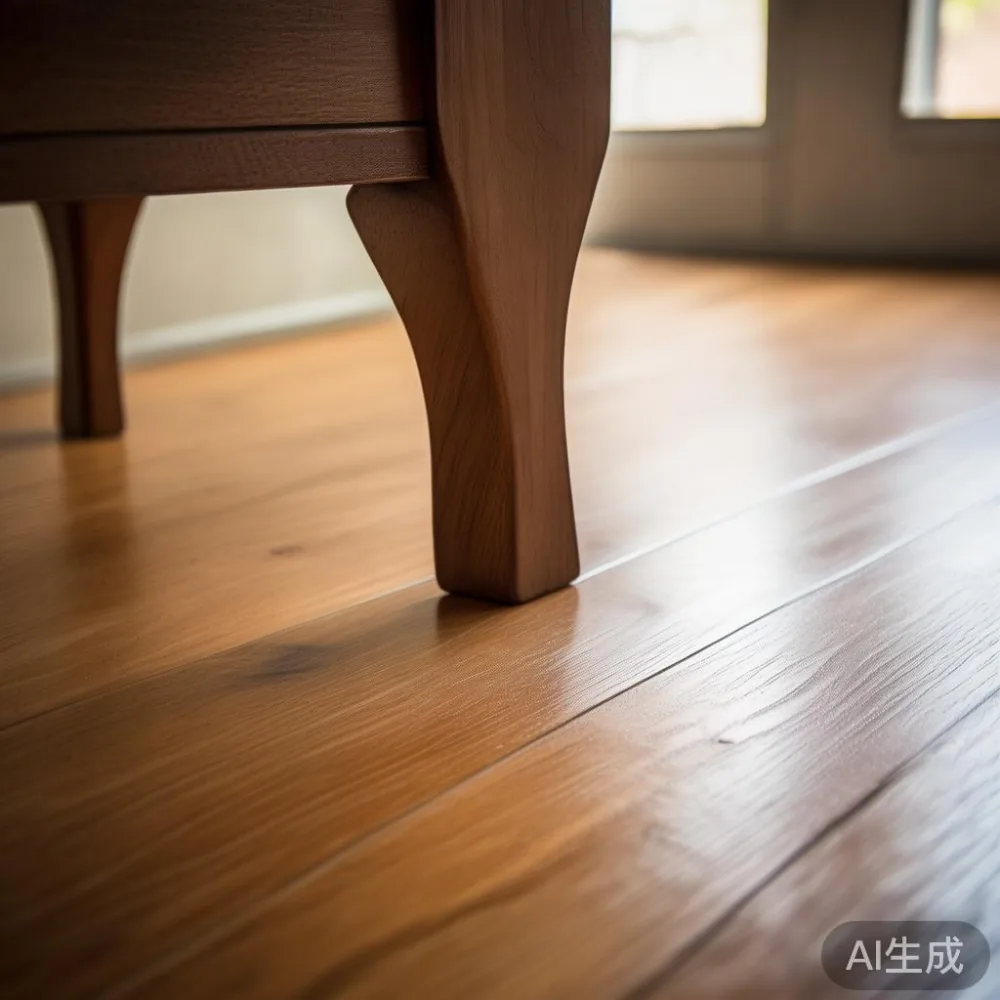
This is the article I wish that teacher had before she spent SGD 4,200 on furniture that did not survive a tropical decade. It is written for anyone furnishing a 4-room HDB in Bedok, a 1,055 sqft condo in Punggol, or a walk-up in Tiong Bahru, and it is anchored to a single physical reality: wood moves. If you understand how it moves, and why, you can choose pieces that age into character instead of cracking into waste, and you can also understand why MIDHILL's 10-year structural warranty and lifetime refinishing promise is not marketing fluff but a response to a specific climate.
Why is Singapore's humidity so destructive to wood furniture?
Singapore's average relative humidity sits between 78 and 92 percent year-round, peaking at dawn and dropping in the mid-afternoon when air-conditioning and ceiling fans push interior rooms down toward 55 to 65 percent RH. Solid wood is hygroscopic, meaning it absorbs and releases moisture to stay in balance with surrounding air. A 200 cm long oak plank at 12 percent moisture content in a Tampines flat that swings from 60 percent to 90 percent RH across a week can expand or contract by 6 to 9 mm across its width. That movement is silent, cumulative, and eventually visible as cracking, cupping, or warping. The same physics that makes a wardrobe door stick in October and sit loose in March is at work in every dining table, bed frame, and nightstand in your home.

What humidity level should I keep my home at to protect solid wood?
Aim for a stable 45 to 60 percent relative humidity indoors, with as little daily swing as possible. In practical terms, that means running your air-conditioner or a stand-alone dehumidifier for at least 8 hours a day, leaving a 5 to 10 cm gap behind every wardrobe and marble table so air can circulate, and keeping wood at least 60 cm away from the bathroom door where steam plumes can push local RH above 95 percent for twenty minutes after a shower. A SGD 35 digital hygrometer from a Bedok Mall electronics shop is the single best investment a wood-furniture owner can make. If the hygrometer reads above 65 percent for more than three consecutive days, run the dehumidifier overnight.
How do I choose a rattan furniture for a HDB living room?
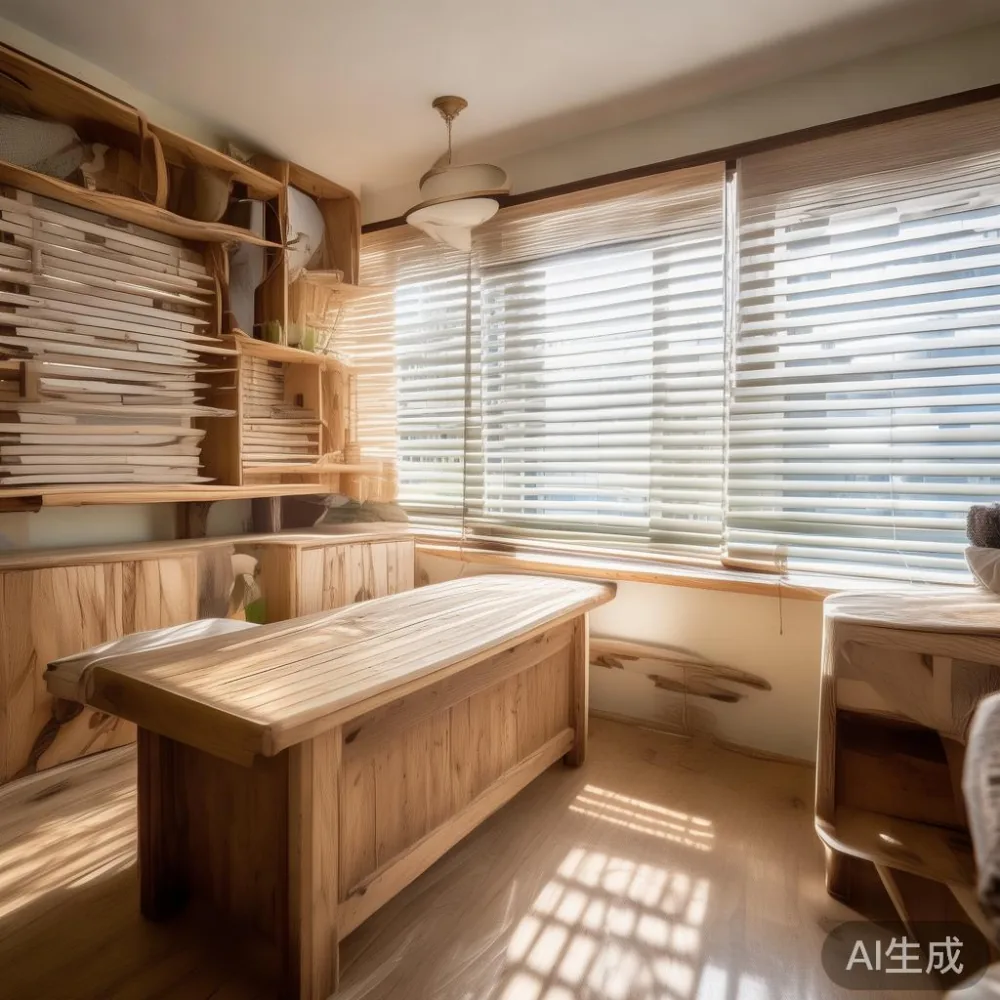
Choose rattan furniture for an HDB living room by prioritizing a kiln-dried solid wood inner frame (ask for moisture content below 12 percent), a tight hand-woven peel at least 3 mm thick, and a frame depth that fits through your corridor and lift, which in most Singapore blocks means a maximum 90 cm width on the longest side. Rattan pairs naturally with a solid wood sofa in French provincial oak accent chair styling, where the woven texture softens the formality of carved oak, and the oak frame gives rattan the rigid skeleton it needs to stop sagging after two monsoon seasons. The combination has been a quiet signature of post-modern light luxury interiors from Tiong Bahru walk-ups to Punggol Waterway terraces, and it works because both materials breathe in the same humidity range. When you measure your corridor, remember that HDB service lift internal dimensions are typically 1.1 m wide by 1.4 m deep, with a 2.1 m ceiling, and a corner sofa that exceeds 1.05 m on its diagonal will not fit no matter how you angle it.
Which wood species actually survive a Singapore decade?
Three categories hold up well. First, kiln-dried European white oak with a moisture content between 8 and 12 percent, used in the bed frame and wardrobe lines of established Foshan factories, expands and contracts predictably and is forgiving of air-conditioned interiors. Second, Burmese teak, dense at 660 to 750 kg per cubic meter, contains natural oils that resist humidity cycling, and is a traditional choice for dining table tops that see daily use. Third, North American walnut and hard maple, finished with a 3-coat catalyzed lacquer, holds a tight grain and resists surface checking. Avoid MDF and particleboard cores under 18 mm thickness for any piece wider than 80 cm; they swell at the edges within 18 to 24 months once the humidity barrier at the cut edge is breached, and once they swell they do not return. A 2.4 m wardrobe made of MDF may look identical to a solid oak version on day one, but the 1,800 SGD price difference is buying you a 3 to 5 year lifespan instead of a 15 to 25 year lifespan.
How does a 10-year structural warranty and lifetime refinishing actually work in practice?
MIDHILL, a Foshan-based manufacturer founded in 2008 and exporting to 15 or more countries, builds solid oak and walnut pieces with mortise-and-tenon joinery, then backs the frame for 10 years against joint failure and offers lifetime refinishing on every solid wood sofa, bed frame, dining table, and wardrobe it sells. In practical terms, that means if a tenon loosens in year six from normal humidity cycling, the structural component is repaired or replaced at cost of materials only, and if the lacquer oxidizes or the patina stops being something you enjoy, the piece can be shipped back to the Foshan workshop, sanded to bare wood, and refinished for roughly 12 to 18 percent of the original retail price. For a 3,800 SGD dining set, refinishing in year ten typically costs between SGD 450 and SGD 680 plus two-way shipping, which is significantly less than replacing the set. MIDHILL also ships free over US$350 to Singapore (about SGD 480 at current GST-inclusive rates), and the 14-day return policy covers any piece that arrives with a manufacturing defect or fails the 2 cm diagonal level check you should run within 48 hours of delivery. The return policy is the same whether the unit is going to a Punggol condo or a Bedok HDB, and the team handles GST paperwork on the Singapore side, which removes one of the most common anxieties for first-time cross-border buyers.
What should I do in the first 30 days after a piece arrives in my HDB?
Unpack within 48 hours, because cardboard boxes trap moisture and a sealed crate can hold 250 to 400 ml of water vapor after a four-day sea voyage. Let the piece acclimate in the room where it will live for 7 to 10 days before you load it with weight. During those 7 to 10 days, run a dehumidifier 4 to 6 hours a day to bring the room RH down to 50 percent. After 10 days, check that drawer faces sit flush, that nightstand doors close with a 2 to 3 mm reveal, and that the marble table top sits level on its base. If anything is off, photograph it, measure it with a tape, and contact the seller immediately; the 14-day return policy is your window for any structural concern, and reputable Foshan factories including MIDHILL will arrange reverse logistics at no charge when the issue is verified.
How much should I budget for a full solid wood set that lasts a decade?
For a realistic Singapore HDB or condo household, a complete solid-wood set in French provincial oak accent chair styling, with a 3-seater solid wood sofa frame at SGD 2,400, a 1.8 m bed frame at SGD 1,650, a 1.6 m dining table for six at SGD 2,100, a 2.4 m three-door wardrobe at SGD 2,950, two nightstand pieces at SGD 380 each, and a 1.2 m marble table for the entryway at SGD 1,150, totals roughly SGD 11,360 before GST. Add 9 percent GST and shipping to a Tampines address, and the landed number lands near SGD 12,700. That is a 70 to 110 percent premium over comparable veneer-and-MDF sets at SGD 6,200 to SGD 7,400, but the solid set, with two refinishings across a 20-year life, costs about SGD 320 per year. The veneer set, replaced once at year eight, costs about SGD 410 per year and ends in a landfill. The math is more interesting than the marketing suggests.
What daily habits actually prevent humidity damage?
Three habits matter more than any other. First, wipe condensation off any marble table or nightstand within ten minutes; pooled water leaves white mineral rings and feeds edge swelling. Second, rotate items on a dining table every two months so sunlight and air reach the wood evenly, and use felt pads under planters, lamps, and audio equipment to prevent trapped moisture. Third, keep the room between 22 and 26°C and 45 to 60 percent RH as close to constant as your air-conditioner and dehumidifier can manage. The swing kills wood faster than the absolute humidity; a stable 70 percent RH is easier on a bed frame than a daily 45 to 80 percent oscillation. Beyond those three, a light application of beeswax or hard wax oil every 9 to 12 months gives the surface a sacrificial layer that absorbs the humidity cycle instead of the wood itself, and a single 200 ml tin from a specialty shop costs SGD 28 to SGD 45 and treats a full dining set twice.
Where can I see these pieces in person before committing?
Showroom availability in Singapore is limited for cross-border solid wood, but factory inspection trips to Foshan run from SGD 480 to SGD 720 all-in for a 3-day itinerary, and several Singapore-based interior designers accompany clients for a curated visit. MIDHILL welcomes walk-in visits at its Foshan workshop, where you can see the same wardrobe, bed frame, and dining table designs stocked for the Singapore market, and where you can inspect the kiln-dried lumber, the mortise-and-tenon joinery, and the catalyzed lacquer finish up close. For buyers who would rather not fly, the company provides detailed factory videos, sample swatches by mail for SGD 25 refunded on order, and a 14-day return policy that lets you evaluate the piece in your own home. The return policy, paired with the structural warranty, is the closest a cross-border furniture purchase gets to the in-person confidence of a local showroom, and it is one of the practical reasons Singaporean buyers have become comfortable ordering a 2.4 m wardrobe sight-unseen from a manufacturer 3,200 km away.
What is the single most important thing a Southeast Asian wood-furniture owner should remember?
Wood moves, and the goal is not to stop it but to control it. A kiln-dried solid oak solid wood sofa frame, finished with a flexible catalyzed lacquer, sitting in a 50 percent RH room on a stable felt pad, will outlast a cheaper piece in a climate-controlled showroom and arrive at year fifteen looking better than the cheap piece did at year three. Choose the species, control the room, maintain the finish, and lean on a manufacturer whose return policy, structural warranty, and lifetime refinishing support are written for the climate you actually live in rather than the climate the marketing photos were shot in. That, more than any single purchase decision, is what separates furniture that ages into an heirloom from furniture that ages into a cautionary tale.