Southeast Asian Humidity's Impact on Wood Furniture in Singapore
Singapore’s warm, humid climate can change the dimensions, movement and appearance of solid wood furniture. In HDB flats and private condos across Tampines, Bedok, Punggol and the central districts, indoor conditions may shift between air-conditioned periods and longer periods of warm, moist air. For a solid wood sofa frame, dining table, wardrobe or bed frame, those changes matter because timber naturally expands and contracts as its moisture content moves with the surrounding air.
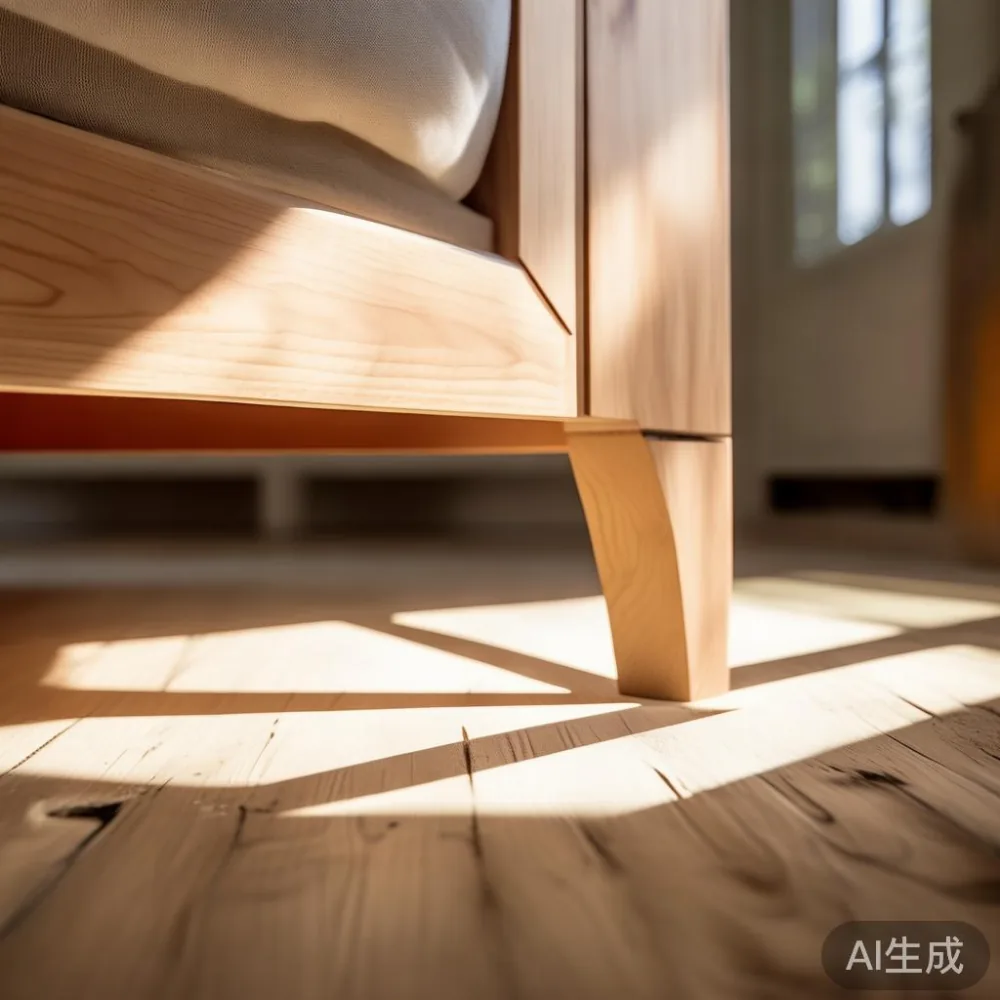
This guide explains how relative humidity affects wood, how to recognise warning signs, and what Singaporean homeowners can do without turning their living spaces into workshops. It also considers the practical realities of narrow lift lobbies, compact corridors, delivery stairs, GST-inclusive budgeting and return policy questions.
Why Singapore humidity changes solid wood furniture
Wood is hygroscopic: it can absorb atmospheric moisture and release it later. In practical terms, relative humidity is the percentage of moisture the air can hold relative to its temperature. At 60% relative humidity, many indoor furnishings are comfortable for people and reasonably stable for timber. Singapore can experience higher readings during rainy periods, while air conditioning can reduce humidity sharply within minutes.

Consider a dining table made from oak or ash measuring 180 cm long and 90 cm wide. Across its grain, seasonal moisture movement might amount to several millimetres; across its width, the movement can be smaller. A solid wood tabletop is not expected to behave like a fixed metal sheet. Its joints, panels and finish need to accommodate dimensional movement without splitting or warping.
Humidity does not automatically ruin furniture. A well-designed solid wood dining table should tolerate normal household variation, particularly when it is not placed against a cold air-conditioning wall or beside a permanently damp balcony door. The more important questions are whether the wood was properly dried, whether the construction allows movement, and whether the finish has been maintained.
How much humidity is comfortable for wood furniture?
A sensible target for many Singapore homes is approximately 45–60% relative humidity, with moderate air movement. This is not a guarantee against every seasonal change, but it reduces the size and speed of moisture swings. A hygrometer costing about SGD 20 can provide a useful baseline. Place one in a frequently occupied room rather than directly beside an air-conditioning outlet.
In a Tampines HDB flat, one bedroom may sit at 48% in the afternoon and 62% after the door is opened during a shower. In a Bedok condo, a room near the corridor may experience steadier conditions, while a balcony-facing lounge can become more humid when windows are closed. Punggol homes near open landscaping may also see rapid changes during heavy rain.
Air conditioning is useful because it controls temperature and often lowers humidity. The risk is not simply “too little air”; it is repeated cycling between very dry conditioned air and humid outdoor air. A bedroom with a 9,000 BTU air conditioner may lower relative humidity from 65% to 45% within 30–60 minutes, depending on room size, insulation and door gaps. Opening the door later can reverse that shift.
What humidity does to sofas, beds and other wood pieces?
Visible components usually react first. A solid wood sofa frame may develop tiny joint gaps if the timber swells unevenly, while the upholstered cushions can compress or wrinkle as humidity affects foams and fabrics. A bed frame may show movement at its headboard, side rails or slat supports. Those signs do not necessarily mean structural failure, but they should be checked before the gap becomes large.
A wardrobe needs more attention because its doors, shelves and carcass expand in different directions. In a compact bedroom, a 210 cm tall wardrobe may stand close to a bathroom wall, an air-conditioning vent or a window. If one side receives more moisture than the other, the doors may bind. Leave installation clearances recommended by the maker, often around 20–30 mm at wall or ceiling edges, and avoid trapping wet laundry against the back panel.
The same principle applies to a nightstand, marble table and dining table. Marble is less sensitive to humidity than timber, but a marble table still has vulnerable joints, metal fittings and a wooden or stone support structure. Wipe standing water promptly; do not leave a glass of iced drink or a damp plant pot on a finished surface overnight.
French light luxury styling often uses pale woods, clean lines and low-saturation fabrics. Post-modern light luxury rooms may combine solid timber with stone, glass and carefully measured negative space. These aesthetics can work well in Singapore, but restraint does not mean ignoring maintenance. Dust, salt residue and skin oils should still be removed from a European light luxury nightstand with a soft cloth.
How to protect furniture in HDB flats and condos
Start with placement. Keep a solid wood dining table at least 30 cm from a window that opens directly to a wet balcony where practical, and do not position a wardrobe against an exterior wall that stays cold and damp. Use a stable indoor humidity reading as your guide rather than assuming every wall has the same conditions.
For cleaning, use a slightly damp microfibre cloth, then dry the surface immediately. Avoid leaving a wet film for more than about 5 minutes. If a finish needs refreshing, follow the product instructions because abrasive, solvent-based and oil treatments are not interchangeable. A test patch should be allowed to dry for 24 hours before a larger area is treated.
Do not place a solid wood bed frame directly beneath a leaking air-conditioning condensate pipe. In Singapore, condensate drainage problems can create a local damp patch quickly, especially during heavy rain. Check that the pipe is draining, keep the area ventilated and move the bed if water has entered the timber. A small moisture meter priced around SGD 25–60 can help identify persistent dampness, but it does not replace professional inspection of mould or structural damage.
For lifts and corridors, measure before ordering. A sofa packaged for an HDB lift may need to be assembled outside the unit, while a dining table may need to be carried vertically. Ask for the packed dimensions and the weight of each carton. A 90 cm lift door and a 105 cm-wide corridor may not provide enough turning room for a long carton. MIDHILL can help plan delivery, but the building’s lift dimensions should be confirmed before dispatch.
Delivery timing is another local detail. Singapore addresses may need a 7–14 day delivery window, with weekday access rules imposed by the building manager. A lift booking may be required 48 hours ahead. For a large wardrobe, the delivery crew may need 2–3 hours if the unit is on a high floor or has a turning corridor. Confirm stairs, parking bays and the maximum cart dimensions before the furniture leaves the warehouse.
What should I do if a solid wood piece reacts to humidity?
Do not panic at a fine hairline gap of 1–2 mm, especially if it appears after a strong air-conditioning cycle. Photograph it, measure it and check whether it changes when conditions stabilise. Do not force a swollen drawer, scrape a door, or apply a thick layer of wax over damp timber. Trapping moisture can make the problem worse.
For a solid wood dining table, inspect the top, apron and legs. If one leg is noticeably higher, check the floor before adjusting anything. Levelling shims may solve an uneven-floor issue, while a distorted leg points to a different problem. Small surface marks can sometimes be treated with a compatible maintenance product, but deep checking, mould or a split should be assessed by a qualified furniture technician.
For a wardrobe, remove contents from the affected section and improve airflow. Open doors only if the room itself is dry; opening them during a particularly humid period can introduce more moisture. Keep cardboard boxes, books and folded clothes away from the back panel, and leave enough space for air to move.
If furniture was delivered damaged or develops a defect outside normal moisture movement, record it within 7 days where possible. Photograph the packaging, corners, joints and floor condition. This makes a return policy claim easier to assess and helps the manufacturer distinguish a transit problem from an unrelated household moisture issue.
How do finishes and solid wood behave differently?
Hard-wax oil, lacquer, water-based polyurethane and other finishes each respond differently to moisture and cleaning. A satin lacquer may show fingerprints, while an oiled surface can deepen in colour during humid conditions. These visual changes are not always defects, but they should be explained before a finish is chosen.
Solid wood is usually more forgiving than engineered wood in one respect: it can move through a season without hidden particle-board swelling. However, a poorly made solid wood product can still fail at its joints. Look for drawers that slide without excessive force, doors with even clearances, and a dining table whose apron is securely attached. Ask whether the timber has been kiln-dried or otherwise conditioned for tropical use, and request care instructions in writing.
When comparing products, focus on total cost and service rather than a dramatic headline discount. A dining table may cost SGD 1,200–2,800 before delivery, while a 180 cm solid wood dining set with chairs may range from SGD 1,800 to SGD 4,500. GST is normally included in Singapore consumer pricing, but delivery to certain locations or extra services may be identified separately. A European light luxury nightstand may be SGD 480–1,200 depending on timber, hardware and finish.
Budget for maintenance as well as purchase. A small supply of the recommended cleaner, soft cloths and felt pads may total SGD 30–80. Replace pads every 6–12 months if they become compressed. This is modest compared with repairing a swollen drawer or replacing a split wardrobe side.
Can I choose furniture that suits a small Singapore home?
Yes, but plan the room before choosing the product. A 120 cm dining table can serve a compact HDB dining zone, while a 160–180 cm table may suit an open condo living area. A solid wood sofa with a depth of 90–100 cm can work in a living room, but the route from the lift must be measured first. A slim bed frame at 40–50 cm high may offer useful under-bed clearance without making the room feel crowded.
For a bedroom, measure the wardrobe door swing and the space needed to open drawers. A hinged wardrobe may look simple but need 60–80 cm of usable clearance in front of the doors. Sliding panels can reduce that requirement, although hardware and alignment matter. A nightstand should be tall enough to reach from the bed, commonly within 5–10 cm of mattress height, but it should not obstruct a corridor or lift route.
If you are researching how to style Japandi wardrobe in bedroom layouts, combine practical spacing with light colours, closed storage and a small number of visible materials. Avoid placing the wardrobe beside a shower area where steam can repeatedly reach one side. If you search for a MIDHILL wardrobe, compare the carcass depth, door clearance, hinge type and installation instructions, not only the exterior finish.
Likewise, if you are evaluating how to choose American sofa for a Singapore apartment, consider seat height, arm width and the size of the lift rather than relying on showroom scale. A compact American sofa may measure 180–210 cm wide, but a packaged unit can be much larger and heavier. Ask for the assembled dimensions, carton dimensions, total weight and whether the legs can be removed.
What does a Singapore return policy cover?
Humidity-related movement is not automatically a manufacturing defect. A return policy may cover manufacturing problems, transit damage, missing parts or items that differ materially from the confirmed description. It may not cover ordinary wood movement caused by unsuitable storage, direct water exposure, accidental impact or unauthorised refinishing. Read the policy before ordering and keep the invoice, product photos and delivery record.
Singapore consumer purchases may also be governed by general statutory rights, but the practical solution often depends on how the issue is documented. Keep a copy of the product specification, including timber species, finish, dimensions and care instructions. If a table arrives with a corner crushed in a lift or corridor, photograph the carton before bringing it indoors. If a wardrobe door later catches, record the humidity and the exact location of the affected panel.
Many sellers offer a 14-day return period, but the item must usually be in a suitable condition and original packaging. A solid wood dining table that has been installed and then returned may be harder to handle safely. Ask whether returns require a scheduled pickup, who pays for restocking, and whether an assembled wardrobe must be disassembled. These details can affect the final cost by SGD 50–300 or more.
MIDHILL’s return policy should be checked against the item category and delivery terms. A 10-year structural warranty addresses structural integrity, but it is not the same as a promise that wood will never react to seasonal humidity. Lifetime refinishing is another service term with its own scope, so request the exclusions and process in writing.
How should I store solid wood furniture during a humid period?
For a temporary move or renovation, store furniture indoors in a dry, ventilated room rather than in a garage, balcony or covered void. Keep boxes off bare concrete floors by at least 10 cm and use protective wrapping that does not trap moisture. If a solid wood bed frame is stored in panels for 2–4 weeks, stand the pieces on their edges with spacers, but avoid leaning unstable loads against doors.
Do not wrap a wardrobe so tightly that air cannot pass around its back and sides. If a unit must be stored in plastic, use breathable covers and open them periodically in a dry environment. Keep the storage room below about 65% relative humidity where possible, and inspect the furniture every 2–4 weeks for mould, musty smells or condensation.
For clothing storage inside a wardrobe, avoid piles of damp towels against solid wood panels. Let washing dry fully before putting it away. Use cedar blocks or suitable moisture absorbers only if they do not scratch the finish, and replace them according to their instructions. They are not substitutes for fixing a leak or improving ventilation.
A practical checklist before and after delivery
Before delivery, obtain the packed size and weight of every carton. Confirm the lift door, corridor width, turning radius, parking distance and access hours. A 70 cm sofa box may not fit through a 60 cm doorway after packaging, while a 15 cm door clearance at the unit entrance can be decisive. Ask the delivery team whether assembly is included and whether a second person is required.
At receipt, inspect the product before accepting it. Check corners, edges, drawers, doors, joints and marble surfaces. Take 6–8 photographs, including one of the room and one of each defect. Record the date and delivery method. If something is missing, report it promptly rather than waiting until a later humidity change makes the issue harder to diagnose.
After delivery, allow new furniture to acclimatise for 24–72 hours in its final room. Do not place damp objects on it, and keep air moving while it settles. Wipe once with a clean, dry cloth. Establish a humidity baseline with a meter costing about SGD 20–60, and record readings at the same times each day for one week.
I last month visited a colleague’s three-bedroom HDB flat in Tampines and compared a solid wood bed frame with a lower-cost storage box. The room measured 3.6 m by 3.2 m, with a corridor door at 78 cm. The bed had been placed against an exterior wall, and the headboard side began to feel cool after heavy rain. A hygrometer showed 67% for several hours near the wall but only 52% in the room centre. We moved the frame 25 cm, improved airflow and kept the wall dry; the small panel gap closed after 4 days. The practical lesson was simple: local moisture placement mattered more than a dramatic seasonal change.
How can light luxury furniture fit Singapore conditions?
Light luxury is not limited to a single style. American light luxury often emphasises generous proportions and durable upholstery; French light luxury tends toward refined timber, soft finishes and carefully selected details; post-modern light luxury can pair clean forms with contrasting textures. For Singapore homes, each approach should include ventilation, controlled humidity and realistic access planning.
When searching for for sale light luxury furniture, ask sellers for the timber type, finish compatibility, maintenance products and delivery restrictions. A solid wood sofa may look substantial, while its frame can still be affected by repeated moisture movement if it is positioned beside a window. A marble table can anchor a dining zone, but the room’s climate and the care of the joint lines still matter.
For a guest room, Post-modern for guest room design works especially well when storage is closed and furniture is scaled to the lift route. A 120 cm bed frame, a 40 cm nightstand and a slim console can create a usable room without blocking a 90 cm corridor. Select finishes that can be maintained with ordinary, non-abrasive products.
Return policy questions deserve attention before the final payment. Confirm whether the supplier accepts returns for a piece that has been assembled, what evidence is needed, and how long inspection may take. Also clarify delivery windows, GST treatment, lift surcharges and responsibility for carrying the item to the unit.
For a furniture maker established in 2008 and exporting to more than 15 countries, the key local question is not whether another climate exists. It is whether this particular piece has been designed, dried, packed and delivered for the conditions of this home. Ask for measurements, care guidance and written protections, then keep humidity within a sensible range rather than chasing perfection.
Solid wood furniture can remain attractive and serviceable in Singapore for many years when moisture movement is respected. Measure the room, control the environment, maintain the finish and document delivery. Those steps protect the furniture, the building and your peace of mind far more effectively than treating humidity as an invisible enemy.