How Southeast Asian Humidity Affects Solid Wood Furniture in Singapore
Singapore’s warm, humid climate can change solid wood furniture more quickly than many owners expect. In an HDB flat in Tampines, a dining table may swell by 2–4 mm across its width during a week of monsoon rain. In a Bedok condo, a wardrobe close to an air-conditioned wall may behave differently from the same design near a window overlooking a wet courtyard. Humidity management matters because solid wood is natural: it absorbs and releases moisture as the air changes around it.
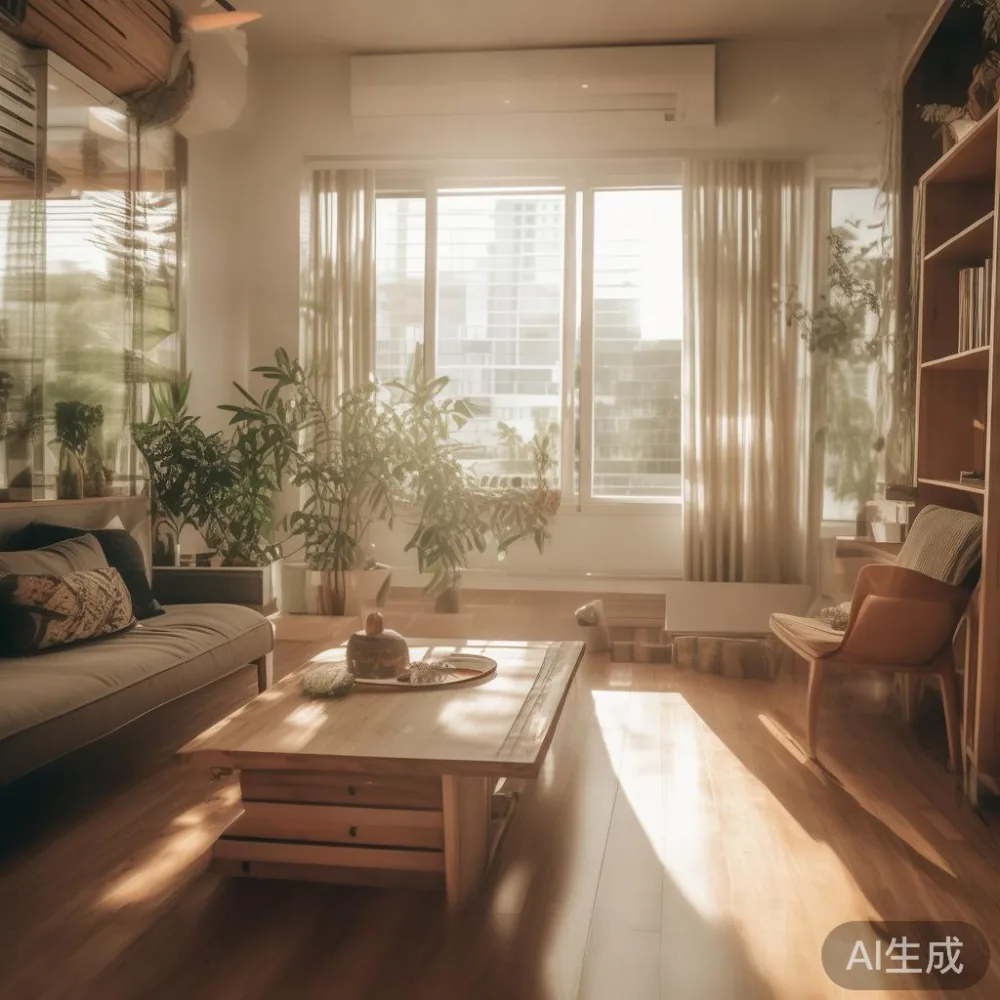
That movement is not automatically a defect. Properly dried timber, well-made joints and a sensible finish allow a solid wood sofa, bed frame, dining table, wardrobe, nightstand or marble table to remain stable within normal seasonal variation. The aim is not to pretend that wood never moves, but to reduce sudden stress, protect the finish and make long-term care easier.
MIDHILL makes solid wood furniture for homes and hospitality projects, with a 10-year structural warranty and lifetime refinishing. Humidity care complements those commitments: correct placement and maintenance help each piece age more gracefully. Singapore shoppers should also understand the return policy before ordering, especially where a custom-size item or a marble tabletop has specific conditions.
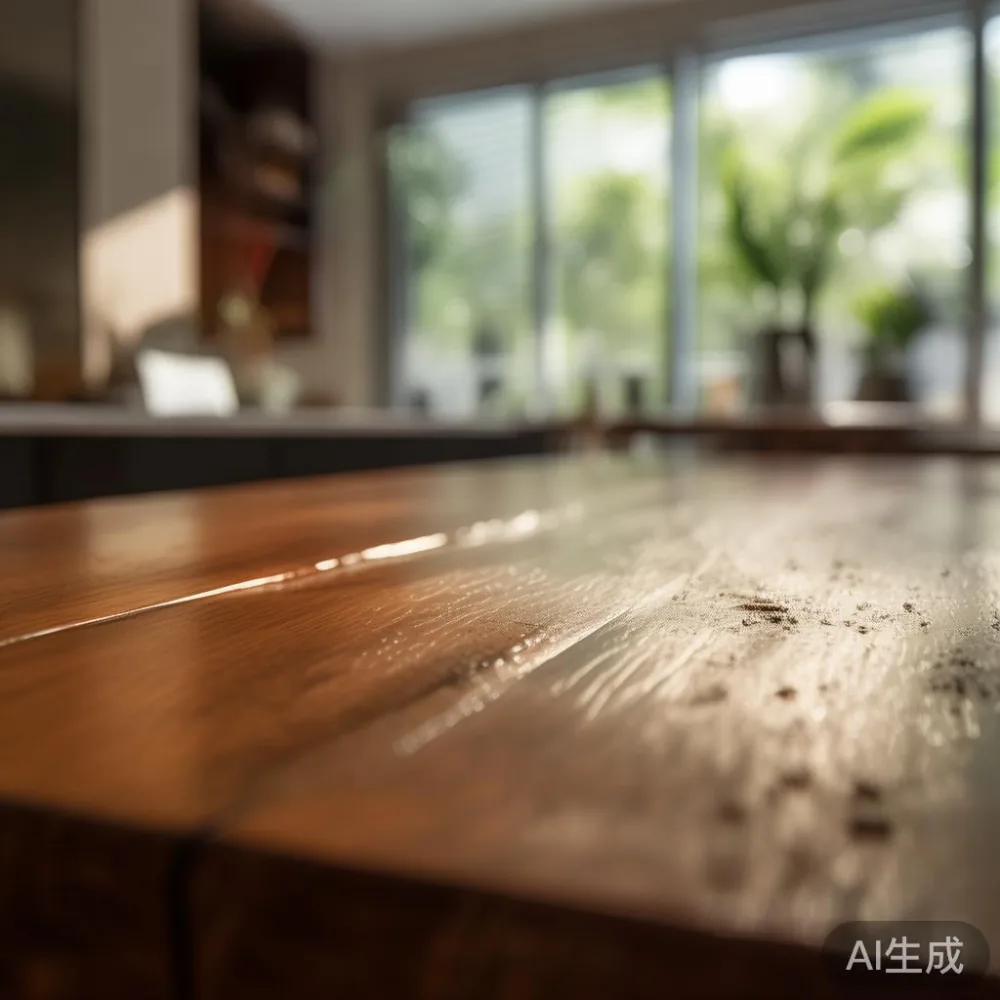
Why Southeast Asian humidity changes solid wood
Wood contains bound moisture in its cell structure. In Singapore, outdoor relative humidity may range from roughly 65% to 95%, while air-conditioned interiors can sit near 45% to 60%. During the day, moisture can enter the outer layers of a board. At night, an air conditioner may draw moisture out. Repeated cycles can make panels expand, contract or develop small surface checks.
Temperature also matters. A rise of 10°C can increase the rate at which wood exchanges moisture with the air. An item beside a west-facing window in Punggol may see both warmth and humidity, while a piece near a bathroom or kitchen may experience brief damp conditions. Even a 1.5 mm gap behind a wardrobe can expose its rear surface to less stable air than the front.
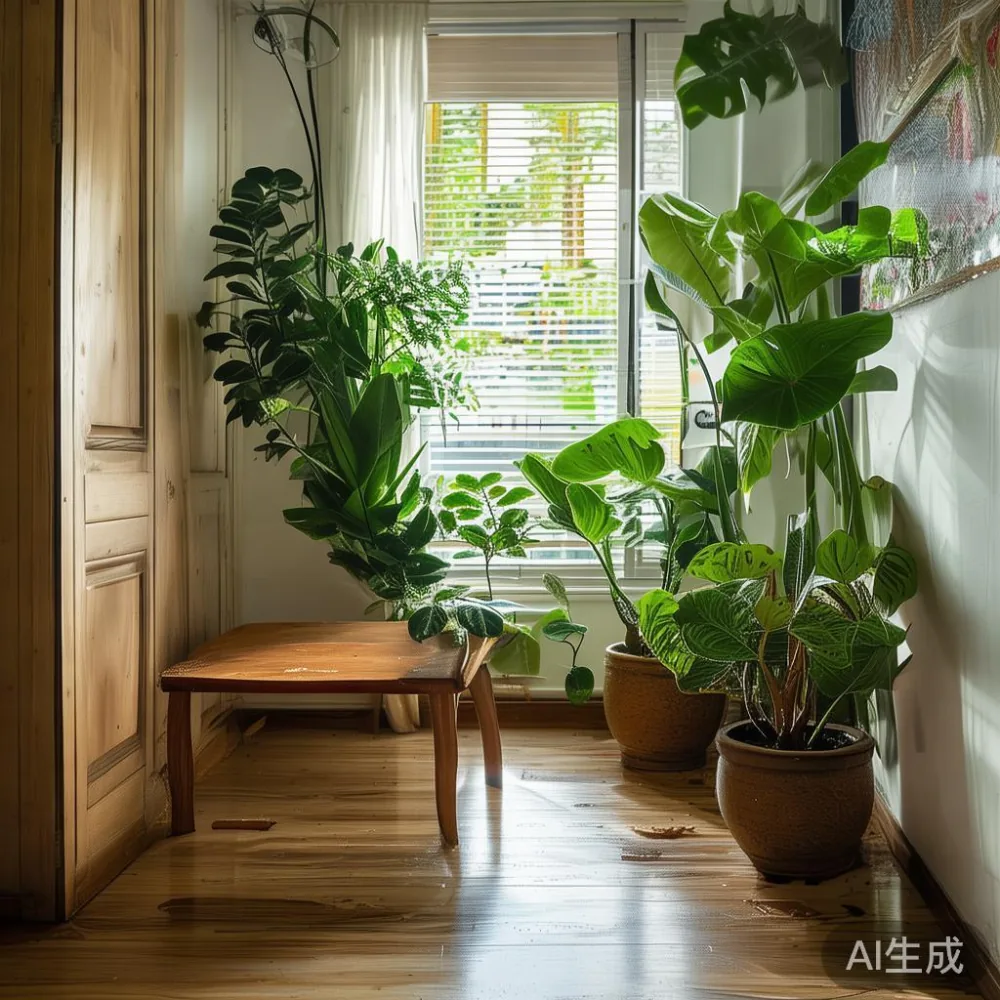
Humidity is not the same as direct water damage. A dining table exposed to a leaking air-conditioning pipe requires immediate attention; ordinary tropical weather does not. The practical distinction is useful because it prevents owners from treating every small movement as a manufacturing fault while still recognising serious problems that need repair.
For buyers comparing visual directions, searches such as European light luxury bed vs Mid-century modern bed or Japanese bed vs Nordic bed can help clarify proportion and tone, but construction and climate suitability remain more important than a style label. The same principle applies to the best Italian light luxury sofa for 2026: a refined silhouette does not excuse weak moisture control.
How much movement is normal for solid wood furniture?
Movement depends on species, panel width, grain direction, cut, finish and construction. A broad solid timber tabletop may move around 1–3 mm over a year in a typical Singapore interior. A narrower component, such as a 40 cm drawer front, may move less. A veneer-backed panel may behave more uniformly because its layers are bonded over a stable substrate, though its edges still need protection.
Small gaps between components are not necessarily loose construction. Solid wood bed frames and wardrobes can use seasonal allowances at joints. What is less acceptable is persistent daylight opening, a repeatedly rubbing drawer, a cracked rail or a finish that is peeling away from the wood.
Use a simple baseline during the first 30 days in the home. Measure a tabletop across its grain at 3 points, record the values and check them monthly. For a wardrobe door, mark the gap at the top and bottom with removable tape. For a bed frame, inspect the slats and centre rail after the first 2 weeks of use. Keep photographs because visual evidence can help MIDHILL assess a concern accurately.
A practical comfort range for most Singapore interiors is around 45% to 65% relative humidity. That range is achievable with sensible placement and air-conditioning rather than a standalone humidifier. If a hygrometer shows 75% for several days near furniture, improve airflow or run the air conditioner. If it remains below 40% for long periods, avoid abrupt adjustments. A stable environment is generally easier on timber than repeated swings between very damp and very dry conditions.
How should I protect a solid wood dining table in a humid Singapore home?
Keep a dining table at least 60 cm from windows if direct rain is possible, and at least 30 cm from an exterior wall. In an HDB kitchen with a window immediately above the sink, do not place a damp chopping board or wet glass directly on the timber. Use a mat measuring at least 40 by 30 cm under vessels containing condensation, and wipe spills within 10 minutes.
Clean with a soft cloth lightly dampened with water, then dry immediately. Avoid soaking the surface, steam-cleaning it or applying alcohol-based cleaner. A pH-neutral wood cleaner suitable for the chosen finish is suitable. Re-oil an oil-finished table when the surface looks dry, often every 12–18 months in Singapore. If the table has a lacquer or hardwax finish, follow its maintenance schedule rather than applying an incompatible oil.
Heat is another issue. A table should not sit directly against a hot wall or above a heat-producing appliance. Allow around 20 cm of ventilation space behind a sideboard or dining table where circulation permits. This is especially helpful for a MIDHILL dining table placed in a compact open-plan HDB flat, where concentrated cooking vapour and air-conditioner drying can create a less stable microclimate than the rest of the room.
Do air-conditioned HDB flats and condos still need humidity care?
Yes. Air-conditioning lowers humidity and temperature, but the transition at doorways and windows can still expose furniture to local changes. A sofa 2 m from a unit’s main door may experience air from the common corridor, which can be less controlled than the living room. A bed frame 1 m from a balcony door may see stronger daylight and dampness than a console placed deeper inside.
Large furniture should not block supply or return air. Leave at least 10–15 cm where practical behind low cabinets and 20 cm around tall units. Keep heavy rugs or laundry baskets away from the base of a wardrobe, and separate the sides of a solid wood bed frame from a humid wall with small moisture-resistant spacers if the instructions permit.
Last month I visited a colleague’s three-room HDB flat in Bedok and tested a simple placement change with a 90 cm solid oak sideboard. It had been moved from beside a 70 cm-wide balcony opening to a position 35 cm inside the living room. A phone hygrometer at the old location read 82% during an evening rain shower; the new position measured 64%. Over the following 7 days, the sideboard’s top panel shifted by about 1 mm less than it had in the previous fortnight. The experiment was small, but it showed why a metre of distance can matter in a compact flat.
For taller wardrobes, check that the top and sides have clearance. If a fitted wardrobe must touch a wall, seal the wall junction and ensure the carcass can expand internally. Avoid trapping a unit tightly between two walls unless it was designed for that installation. The height of a typical ceiling in Singapore housing is about 2.4–2.7 m, so high wardrobes benefit from both vertical airflow and an appropriate fixing method.
How do I stop humidity from damaging a bed frame, nightstand or wardrobe?
Start with placement. Keep a bed frame at least 30 cm from a window or persistent condensation source, and avoid placing it against a bathroom wall where possible. Inspect mattress support every 6 months, tighten approved fixings and check that slats remain level within about 3 mm across the frame. A nightstand should not be crammed tightly into a corner; 5–10 cm of clearance can help its outer surfaces exchange air.
For a wardrobe, allow door operation to be tested under changing conditions. Open one door for several hours on a humid afternoon, then close it and check that it does not catch. Do not force swollen doors immediately. Look for bowing, mould-like discoloration or a soft surface, then contact the supplier or relevant service provider. A ventilation grille placed low in a cupboard can help trapped moisture escape, provided it does not disturb the design or storage.
When comparing bed designs, the light luxury sofa vs Modern sofa question has a useful parallel: external shape can be similar while internal construction differs. A European-style upholstered bed may include a breathable support platform, while a platform bed with a closed base may retain more warmth. For solid timber frames, seasonal movement should be accommodated by the joints rather than by forcing the frame out of square.
Oak, ash, teak and other species have different sensitivities, but no species is completely inert. A refinishing service can address worn coatings, although severe water damage may need board replacement. This is why lifetime refinishing should be understood as a care commitment, not a cure for poor placement.
Can a marble table handle Singapore humidity as well as wood?
Marble is less prone to dimensional movement than solid wood, but it is not impervious to moisture. Acidic liquids, including citrus juice and some cleaning products, can etch the surface. A marble table should use coasters and placemats, with a minimum diameter of 8 cm for a drinking glass. Wring rather than drip the cleaning cloth, and dry the top within 5 minutes of contact.
Porous marble may also develop water rings, particularly around a sink, drinks or a flower vase. A stone-safe sealer can reduce staining when the finish permits it. Move a marble table away from direct rain and do not use silicone mats with trapped moisture underneath. Unlike a timber table, it cannot be refinished by sanding in the same way, so prompt spill care matters.
Some shoppers researching top 10 Japanese furniture examples focus on clean joinery and restrained proportions. Those qualities can suit HDB and condo interiors, where compact dining settings often need a 120 cm table rather than a 200 cm model. Check seat clearance before ordering: leave at least 60 cm behind each occupied chair and 75 cm along the main traffic route where possible.
What should I check before delivery, and what does the return policy cover?
Measure access before the furniture is dispatched. Many HDB lift doors are about 80–90 cm wide, while common internal lift dimensions are near 110 cm deep and 140 cm wide. Corridors and turning areas can be narrower, particularly around older blocks. Record the narrowest width, the lowest overhead clearance, the number of bends and the distance from the lift to the door. Add at least 10 cm working tolerance when calculating whether a large wardrobe or bed frame can pass through.
Packaging is part of the process. A solid wood bed frame should arrive with protected corners, labelled hardware and a moisture-conscious barrier. A dining table may be protected with a fitted top covering; inspect the packaging when it arrives and photograph the boards before assembly. Delivery timing also matters during a rainy period. Coordinate a slot so the furniture can be placed indoors rather than left beside a corridor for 2–3 days.
MIDHILL’s return policy gives customers 14 days to return eligible items, while delivery is free on orders over US$350. Because Singapore prices are normally shown in SGD, check the checkout currency and the final SGD total before paying. GST and local charges should be displayed clearly. Custom dimensions, made-to-order finishes and certain bespoke or heavy products may have specific return conditions, so read the product page before confirming a non-standard size.
The return policy should be read together with the warranty. The 10-year structural warranty addresses qualifying structural issues, while a surface or seasonal complaint still needs evidence and may fall outside the warranty. Neither policy substitutes for controlled indoor humidity. Keep your order number, delivery invoice, photographs and maintenance notes together for at least 2 years.
How can I maintain a humidity-stable room after delivery?
Use a hygrometer in the main living area and near any persistent moisture source. Check readings at roughly the same time each day for 7 days. Keep the ideal target near 50–60% relative humidity, with 45–65% as a practical indoor band. During a humid afternoon, curtains can reduce direct sun and rain exposure, but they should not be pressed tightly against wood furniture.
Run the air conditioner for 1–2 hours when rooms are persistently damp, and use a fan to improve circulation. Avoid directing an air-conditioner vent at a chair, nightstand or table for long periods. A controlled temperature near 24–27°C and moderate humidity will usually serve wood better than rapid temperature swings.
Make a 10-minute weekly inspection part of household care. Wipe condensation, move damp cushions, check wardrobe gaps and look beneath table runners. Every 6 months, inspect the finish, tighten fittings and review wall contact. Every 12–18 months, renew an approved oil finish if required. Keep pets and plants off the floor area where they could create repeated dampness, and place a waterproof mat under an indoor plant.
Careful humidity management supports the same visual restraint found in French light luxury, American light luxury and post-modern light luxury furniture. It protects the grain, preserves gentle proportions and keeps a solid wood sofa, wardrobe or bed frame looking composed rather than weatherworn. It also makes the practical side of ownership clearer: stable indoor conditions reduce avoidable movement, the return policy provides a defined period for eligible returns, and the structural warranty offers long-term backing when a qualifying issue arises.