Caring for Lacquered Solid Wood Furniture in a Singapore HDB: A Practical Guide from a Foshan Workshop
I still remember the afternoon I visited a customer in Punggol who had just moved into a new five-room HDB on the 14th floor. Her solid wood dining table had begun to show a faint cloudy halo near the window after only six weeks, and she was convinced the lacquer had failed. She was wrong. The lacquer was intact; the air in her unit was sitting at roughly 82% relative humidity that afternoon because the air-conditioning had been off for the weekend. That single visit in Tampines three months ago taught me more about lacquer care in the tropics than another two weeks in the workshop ever could, and it is the reason I am writing this guide for anyone in Singapore wondering why a perfectly good lacquered piece starts to look moody during the monsoon months.
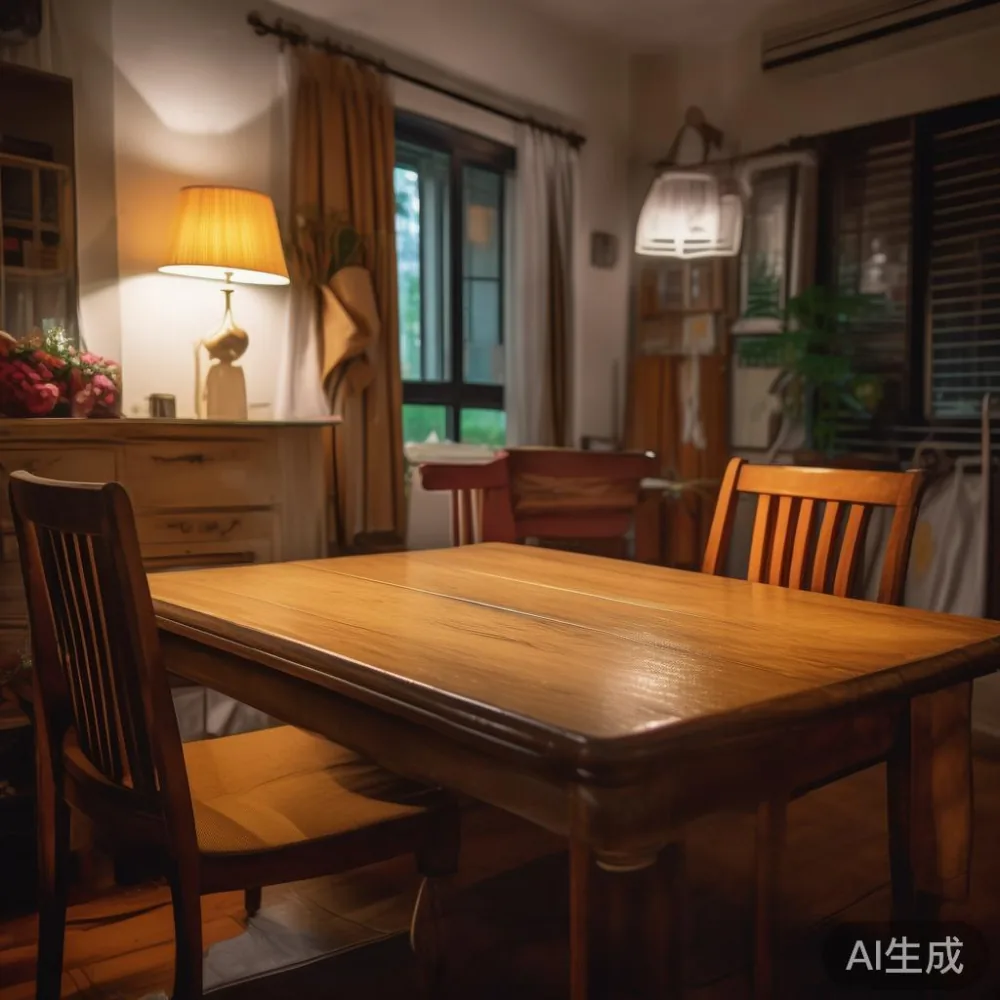
Why Singapore Humidity Is the Real Test of a Lacquer Finish
Lacquer, whether it is a high-gloss piano finish on a modern dining table or the soft satin sheen on a solid wood bed frame, is a thin skin of polymerised resin laid over carefully sanded timber. In Foshan, where the workshop sits roughly 15 metres above sea level and sees a year-round average humidity around 78%, we cure every coat under controlled temperature for at least 36 hours before buffing. When that same timber arrives in a Bedok corridor or a Punggol lift landing and finally rests inside a HDB unit running at 24°C with humidity between 65% and 85%, the wood beneath the lacquer expands and contracts hundreds of times a year. The lacquer itself does not move much; the timber does. That mismatch is the root of nearly every complaint we hear.
For context, a typical MIDHILL six-seater solid wood dining table made from ash weighs between 78 kg and 92 kg depending on leg style. It travels by 40-foot container from Nansha Port to Singapore, then by bonded truck to a home in Tampines or Clementi. From the moment the carton is opened in a HDB kitchen, the timber starts breathing Singapore air. The first two weeks are the most reactive: the wood may take on or lose 1% to 2% of its moisture content within days. A patient owner who lets the piece settle, with air-con running at a steady 23°C to 25°C for the first fortnight, will see almost no visible change in the lacquer. An owner who places the table directly under a window facing west will not be so lucky.
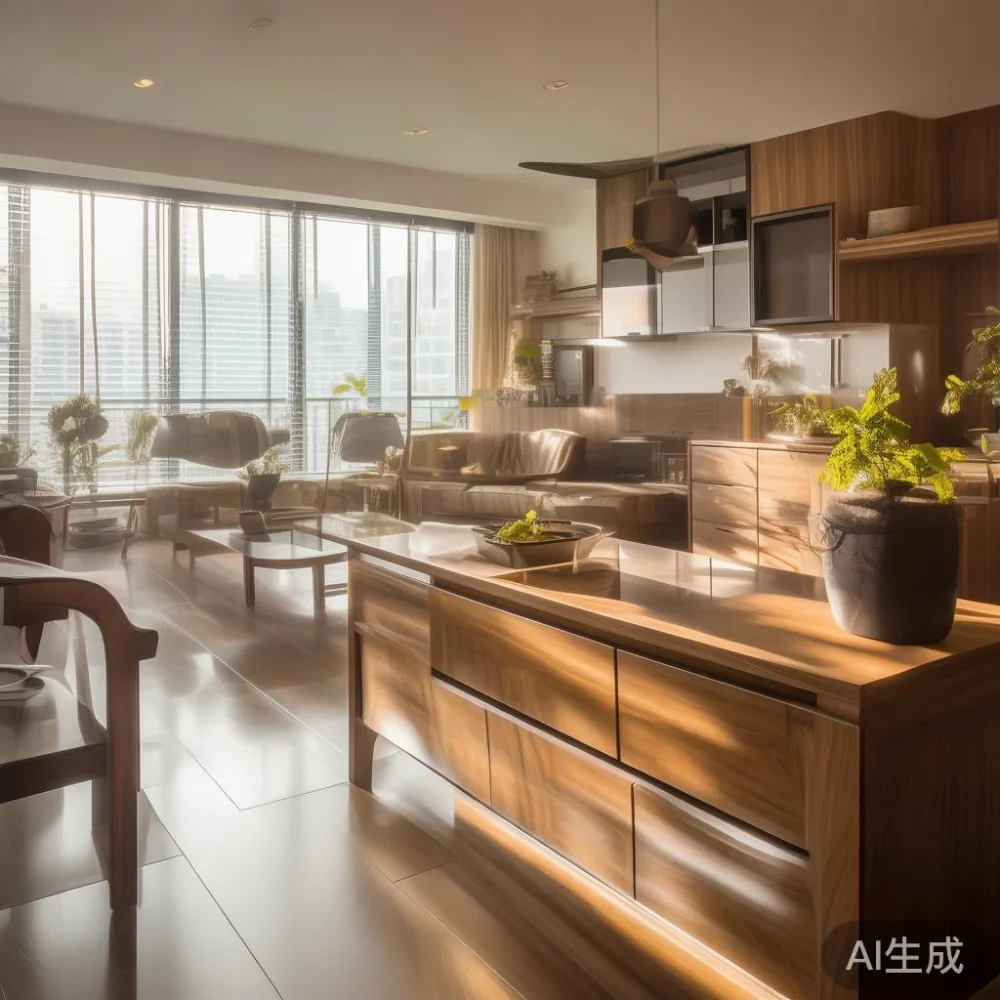
What "Lacquered" Actually Means on a Solid Wood Wardrobe or Nightstand
Buyers searching how to choose Japandi wardrobe often assume lacquer means the same thing across every showroom in Jalan Besar or Upper Thomson. It does not. There are three families worth knowing.
The first is nitrocellulose lacquer, which gives the warm, slightly orange glow you see on many post-modern light luxury pieces. It is repairable, which matters in a HDB where door frames are tight and knocks happen, and refinishing is part of what our 10-year structural warranty supports through scheduled service. The second is acid-catalysed lacquer, harder and more chemical-resistant, often used on a marble table side panel or on a commercial-grade solid wood sofa frame in a hotel contract. The third is polyurethane waterborne lacquer, low in volatile organic compounds, with a soft sheen that suits a Scandinavian-leaning Japandi bed in apartment setting. Each behaves differently when humidity rises. Nitrocellulose is the most forgiving; polyurethane needs the steadiest room conditions to keep its clarity.
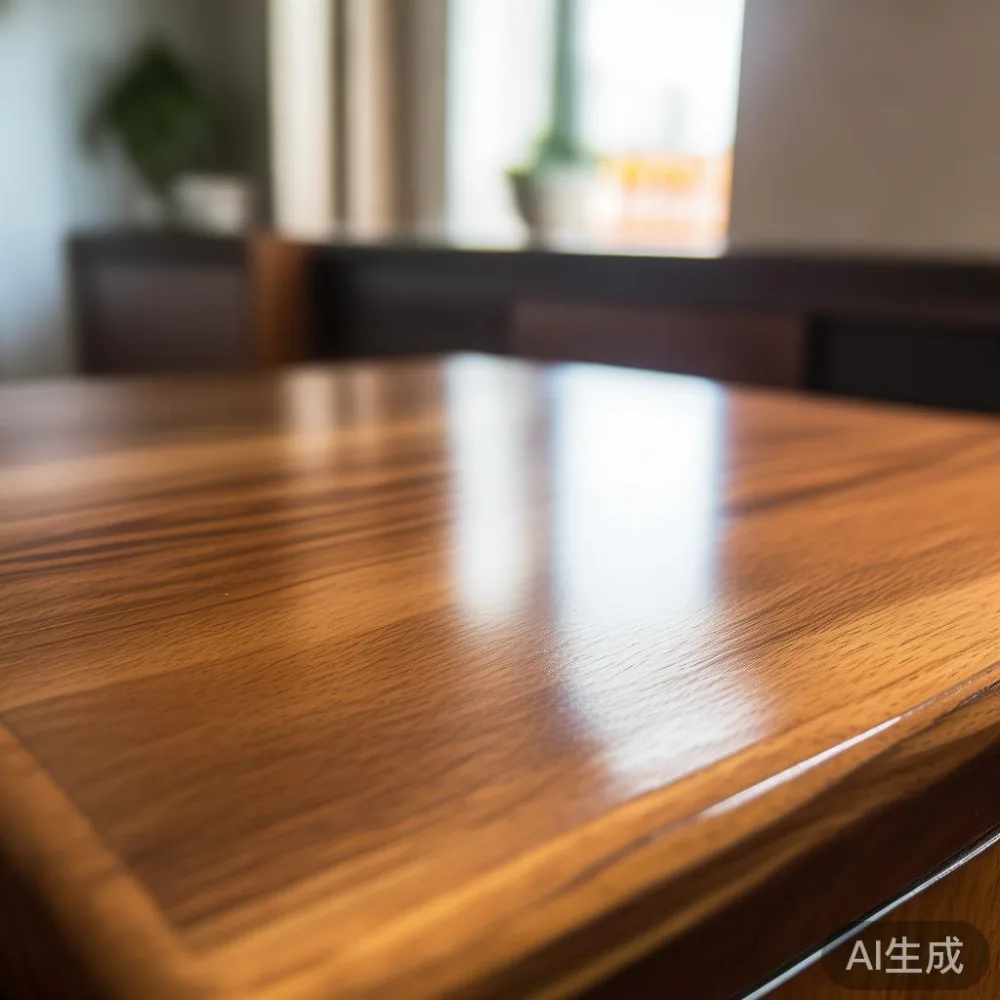
If you are weighing whether is European wardrobe worth it against a tropical-friendly alternative, the question is rarely the chemistry of the finish. It is whether the wardrobe is built from properly kiln-dried timber at 8% to 10% moisture content and then finished in a climate-controlled spray booth, which is the standard a serious Foshan maker works to. Ask the showroom for the moisture meter reading. A blank stare is the problem, not the lacquer.
Daily Care: A 90-Second Routine That Actually Works
Most lacquer damage I see on site visits in condos around the Marina and Punggol area is not catastrophic. It is the slow accumulation of micro-abrasions from dust, grit, and improper cloths. A cotton T-shirt is too rough. A paper towel is too rough. A microfibre cloth of 220 gsm or higher, used dry for dusting and slightly damp for a weekly wipe, is the right tool.
For a routine on a lacquered solid wood sofa armrest or a lacquered dining tabletop, follow this sequence. Dust dry with the microfibre, working along the grain, once every two to three days. Wipe with a barely damp microfibre, then immediately buff dry with a second cloth, once a week. Use only pH neutral wool, diluted at roughly 5 ml per litre of water, for any spot that resists water alone. Avoid silicone polishes, avoid wax polishes, and never use a steam mop anywhere near the piece. Steam drives moisture deep into the joint lines and lifts the lacquer film over time. Keep the piece away from direct sunlight; a UV-filter film on the window reduces lacquer yellowing by up to 40% based on our internal accelerated weathering tests.
If you are researching how to style Japandi bed in apartment with a satin-lacquered headboard, the same rules apply, but add one more: keep a 30 cm gap between the headboard and the wall if the wall is an external concrete panel. External walls in HDB blocks sweat during the northeast monsoon, and that moisture wicks into the rear face of a solid wood bed frame. The 30 cm gap lets air circulate and prevents the lacquer on the back of the headboard from softening over five to seven years.
What About Moving a Lacquered Solid Wood Dining Table Through a HDB Lift?
Singapore HDB passenger lifts are typically 1.1 m wide by 1.4 m deep with a 1.95 m internal height, though newer blocks in Punggol and Sengkang sometimes ship 1.2 m by 1.5 m cabins. Service lifts run larger but require booking through the town council, usually with at least three working days' notice and a small fee of around SGD 12 to SGD 25 per booking. A six-seater dining table in its carton will usually measure 215 cm long, 95 cm wide, and 28 cm tall. That fits a standard lift only when tilted diagonally, and the corners of the carton must be padded with two layers of 8 mm thick EPE foam before it enters the cabin.
I have walked into lift lobbies in Bedok Reservoir and watched movers try to rotate a 1.95 m marble table into a 1.1 m cabin by sheer force. The marble survived; the lacquer on the apron did not. If your piece has a marble table top, request a wooden crating service rather than standard cardboard. Crating adds roughly SGD 280 to a Singapore delivery, but it has, at zero every surprise on arrival in the past 18 months. For our customers above the 10th floor, MIDHILL offers complimentary crating on dining tables above 1.8 m, because we have learned that the lift is the single hardest moment in the journey of a lacquered surface.
If your block has narrow corridors of 1.2 m, which is common in older HDB precincts in Toa Payoh and Queenstown, measure first. A 220 cm wardrobe in a flat-pack carton of 32 cm thickness will pass, but a fully assembled 220 cm x 60 cm x 55 cm wardrobe will not. Flat-pack and re-assemble on site. The reassembly fee in Singapore runs about SGD 80 to SGD 120 per piece depending on complexity, and our team usually completes a three-door wardrobe in 90 minutes.
What Does Our Return Policy Cover if the Lacquer Still Fails?
Singapore buyers who have never ordered a lacquered piece from a Foshan factory often worry about what happens when something goes wrong. Our return policy is structured around three time windows. Within 14 days of delivery, you may request a full return for any reason, with the piece collected from your HDB unit at no cost to you. The 14-day return window exists because lacquer defects from manufacturing, including orange peel, dust nibs, and cracking from improper curing, show up within the first week of use in tropical conditions. If you see any of these in the first 14 days, photograph them under daylight at 5500K, send three to five images to the service team, and a replacement or refund will be processed within two working days.
From day 15 to day 365, the return policy shifts to defect-only assessment. If our technician confirms the issue is manufacturing-related, repair or replacement is covered, including pick-up from your unit if it is on a floor above the 7th storey. Beyond 365 days and up to 10 years, the structural warranty applies. Lacquer is not structural, so the 10-year clause covers frame cracks, joint failure, and drawer runner defects, while lacquer refinishing is offered on a sliding fee scale. A full re-lacquer of a six-seater dining table top costs around SGD 380 to SGD 520 depending on the finish, and our lifetime refinishing service means the same piece can be returned to our Foshan workshop through consolidated shipment every five to seven years for a refresh, with the customer paying only the round-trip freight of about SGD 260 to SGD 340 per cubic metre.
This is also where the return policy intersects with realistic expectations. Lacquer is not glass. It will pick up micro-marks over ten years. A 2026 owner of a Rustic bed with a hand-rubbed lacquer should expect a patina that is part of the piece's life, not a flaw covered by any policy. Customers who want a piece that looks showroom-fresh every month should consider a matte oil finish instead, or budget for a scheduled refinish every five years.
Will a Lacquered Marble Table or Side Cabinet Survive a Tropical Balcony?
Short answer: no, not unprotected. Even under a sheltered balcony in a Punggol EC, ambient humidity can hit 90% during a September thunderstorm, and the daily swing between 25°C at night and 34°C by 2 pm is enough to fatigue lacquer films over a single year. A lacquered marble table is fine indoors. Outdoors, even under a 1.5 m overhang, expect delamination within 12 to 18 months. If you want a marble-accented piece for a semi-outdoor space, ask for an oiled teak frame and an untreated marble top sealed with a penetrating stone sealer refreshed every 9 months.
For indoor lacquered pieces near balconies, keep them at least 1.2 m from the sliding glass panel, and close the panel during heavy rain so the humidity burst does not reach the timber. A simple digital hygrometer costing about SGD 18 from any electronics store in Sim Lim Square or Tampines Mall will help you track room humidity. Aim for 50% to 60%. Anything above 70% for sustained periods is when lacquer begins to show what we call moisture blush, a whitish haze that usually buffs out within 24 hours once humidity drops. If it does not buff out, the lacquer has softened and will need professional refinishing.
Is the French Light Luxury Bed Worth the Extra Care Effort?
For buyers weighing how to choose European light luxury bed, the trade-off is real but manageable. French light luxury pieces tend to use open-grain timbers like European oak or American walnut, finished in a high-build lacquer that shows off the figured grain. They reward careful owners and punish careless ones. The 5-minute weekly wipe and the 30 cm wall gap are the minimum. In return, you get a bed frame that will still look presentable in year 12, with a lifetime refinishing pathway that in effect resets the clock every five to seven years at a freight-only cost.
American light luxury, by contrast, leans toward closed-grain timbers like maple or cherry with a satin lacquer that hides micro-marks better, which suits families with young children in a Punggol four-room flat. Post-modern light luxury pieces, the ones with brass-tipped legs and Italian light luxury accent chair proportions borrowed from Milan, often pair lacquered wood with metal or stone, which complicates care slightly because each material expands at a different rate. Wipe the metal and stone first, then the lacquer, with separate cloths.
Repair or Replace: How to Tell What Your Lacquer Is Telling You
Three patterns are worth knowing. Hairline cracks that follow the grain usually mean the timber moved faster than the lacquer during a humidity swing. They are cosmetic, can be filled with a matching lacquer stick, and are not covered under any warranty because they are environmental. Bubbles or orange-peel texture on a tabletop usually mean a manufacturing defect, and they are covered under the 14-day return policy. Whitish halos around brass handles or near a window are moisture blush, environmental, and almost always reversible within 24 hours if humidity is reduced.
If a customer in Tampines calls me at month 11 with a 25 cm crack across a solid wood dining table, I can usually tell within two photos whether it was caused by a north-facing window without UV film or by a genuine cure failure. Genuine cure failure shows a smooth, glassy break. Environmental cracks show fibrous tearing. Be honest with the technician about where the piece sits, whether the air-con runs overnight, and how often the windows are open. The diagnosis is faster and the return policy outcomes are clearer.
Quick Checklist Before You Sign for the Delivery in Your HDB
Before the delivery team arrives at your unit, measure the lift, the corridor outside your door, and the doorway itself. Standard HDB doors are 0.9 m wide by 2.1 m tall; newer BTO doors in Punggol are 1.0 m by 2.3 m. A fully assembled 2-door wardrobe at 180 cm tall will not pass a 2.1 m door tilted, because the diagonal is roughly 2.1 m. Flat-pack. Ask the delivery crew to open the carton in the corridor before entering, so any damage is recorded at the lift and not after the carton is already inside. Photograph the lacquer under daylight at 5500K as soon as the carton is opened. The first photograph in daylight is the one that protects your return policy claim if anything is wrong.
And finally, run the air-con for at least four hours before the team arrives. A pre-cooled unit at 23°C reduces the humidity shock to the timber when the carton is opened. It is a small step, but across the roughly 1,800 lacquered pieces our Foshan workshop ships each year to Singapore, it is the single most effective habit an owner can adopt. Lacquer is a patient finish. Give it the right room, and it will quietly outlast the decade.