The 5-Year Cost Reality: Solid Wood vs. Veneer Furniture in Singapore
Choosing furniture for your Singapore home is a significant decision. The options are plentiful, but the materials you select have a profound impact on your wallet, your living space, and your peace of mind. For many residents working through the tight corridors and compact layouts of HDB flats and condos in areas like Tampines, Bedok, and Punggol, durability and long-term value are paramount. This article provides a detailed, numbers-driven cost comparison between solid wood and veneer furniture over a five-year period, focusing on the true ownership experience. We will examine initial purchase price, maintenance costs, potential damage repairs, and the often-overlooked value of a company's return policy. The goal is to provide a clear picture of what you are really investing in when you furnish your home.
Understanding the Materials: Solid Wood and Veneer
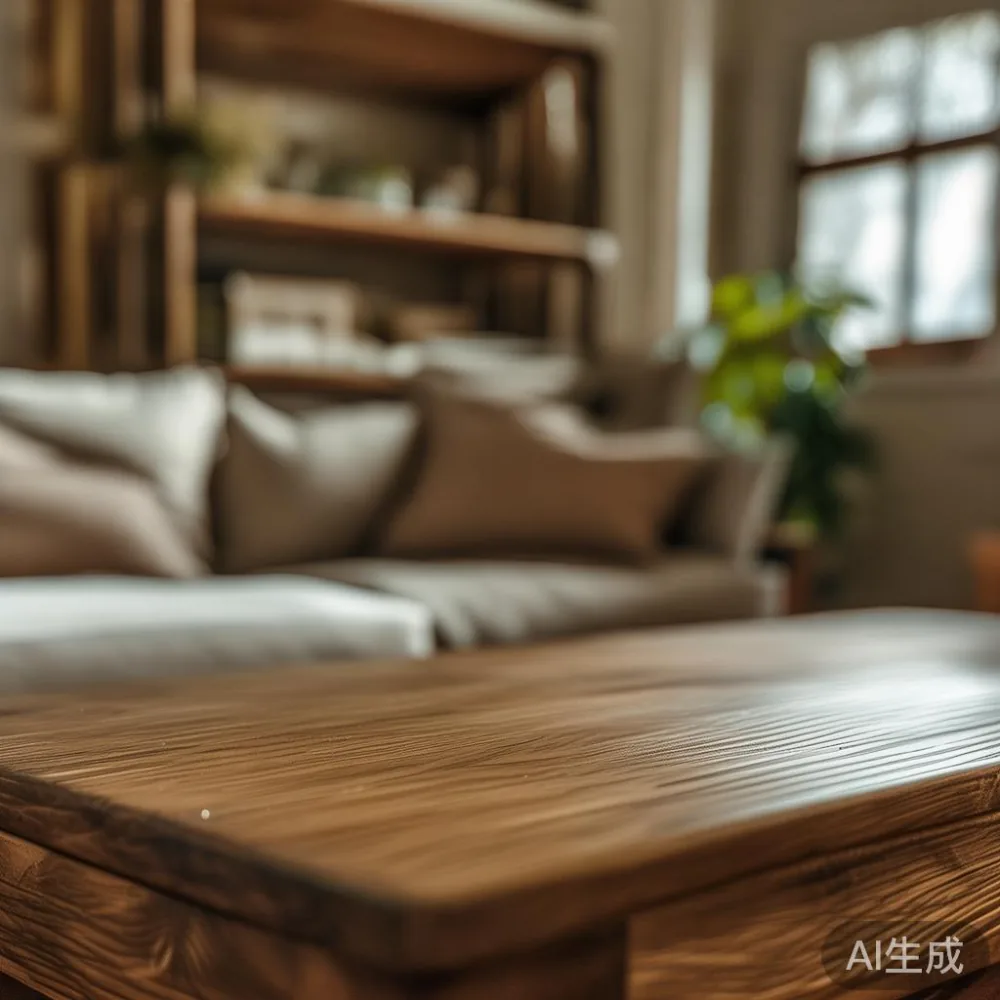
Before diving into the numbers, it is important to clearly define the two materials at the heart of this discussion. Solid wood furniture, as offered by brands like MIDHILL, is crafted from a single, solid piece of timber. A solid wood dining table, for instance, is made entirely from that wood, from the top surface to the legs. This construction allows the furniture to be sanded down and refinished multiple times over its lifespan, which is why many manufacturers offer a lifetime refinishing service. The natural grain, texture, and subtle variations in the wood are unique to each piece, giving it a character that cannot be replicated.
Veneer furniture, on the other hand, uses a thin layer of real wood as a decorative surface. This thin slice of wood, often called a 'veneer', is glued onto a substrate, which is typically a less expensive material like particleboard, medium-density fiberboard (MDF), or plywood. The substrate provides the structure and bulk of the furniture. Veneer allows manufacturers to create furniture with a real wood look at a lower cost. However, the quality of the substrate is critical. A cheap, low-density MDF core can warp with humidity, and the thin veneer layer can chip, bubble, or peel over time, especially in Singapore's climate. Understanding this fundamental difference is the first step to understanding the long-term costs.

Initial Investment: The Upfront Price Difference
The most obvious difference between solid wood and veneer furniture is the initial price tag. Let's compare the cost of common bedroom and living room items for a standard Singapore apartment. We will use prices from a local furniture retailer to establish a baseline. All prices are in SGD.
Bed Frame:
- Solid Wood (e.g., Oak): A queen-sized solid wood bed frame costs approximately SGD 1,800.
- Veneer (e.g., Oak Veneer on MDF): A queen-sized veneer bed frame costs approximately SGD 900.
Dining Table:
- Solid Wood (e.g., Sheesham): A solid wood dining table for six people costs approximately SGD 2,500.
- Veneer (e.g., Walnut Veneer): A veneer dining table for six people costs approximately SGD 1,200.
Wardrobe:
- Solid Wood: A 2-door solid wood wardrobe costs approximately SGD 2,200.
- Veneer: A 2-door veneer wardrobe costs approximately SGD 1,100.
Sofa:
- Solid Wood Frame (with fabric/leather upholstery): A 3-seater solid wood frame sofa costs approximately SGD 3,500.
- Veneer Frame: A 3-seater veneer frame sofa costs approximately SGD 1,800.
For a typical set of core furniture (bed, dining table, wardrobe, sofa), the initial investment for solid wood is SGD 9,000. The equivalent veneer set costs SGD 5,000. The veneer option saves you SGD 4,000 upfront. This is a substantial saving that makes veneer an attractive option for many. However, this initial price difference is only one part of the five-year story. The true cost of ownership is revealed over time.
Year-by-Year Cost Breakdown: Maintenance and Wear
The initial saving with veneer furniture can quickly be eroded by maintenance and repair costs, especially in Singapore's humid environment. Let's track the expenses for both sets over five years.
Year 1: Maintenance is minimal for both. A wood polish for the solid wood items might cost SGD 50. The veneer set might require a similar polish. No major issues.
Year 2: The first signs of wear may appear. A solid wood dining table might get a few minor scratches from daily use. These can be easily buffed out with fine sandpaper and a touch-up wax, costing SGD 30. A veneer table, however, might start showing signs of the MDF core reacting to Singapore's humidity. The veneer on the table edge could begin to lift slightly. A professional repair to re-glue and re-seal the veneer costs SGD 150. The veneer wardrobe door might also show a small bubble in the finish. Repairing this is another SGD 100.
Year 3: The differences become more pronounced. The solid wood furniture continues to look good with minimal upkeep. The veneer coffee table, a light luxury coffee table in its original state, might suffer a significant chip on a corner. A repair involves filling the chip, sanding it smooth, and reapplying the finish. This is a complex job that costs SGD 200. The veneer sofa frame might develop a creak or wobble as the MDF joints weaken. A repair attempt might cost SGD 100, but it may not be a permanent fix.
Year 4: The veneer set continues to degrade. The finish on the veneer bed frame might start to look dull and cloudy, a common issue with low-quality lacquers in high-humidity conditions. A full refinishing is not possible on veneer; it can only be cleaned and re-coated, which costs SGD 250 and offers limited results. The solid wood bed frame, however, can be professionally refinished to look like new, a service often included in a lifetime refinishing warranty.
Year 5: The veneer wardrobe door might warp significantly due to moisture exposure, causing it to not close properly. The cost of replacing the entire door is SGD 300. The solid wood wardrobe has maintained its shape and structural integrity. The total maintenance and repair cost over five years for the solid wood set is approximately SGD 80. For the veneer set, the cost has ballooned to SGD 1,100.
What Happens When It's Not for You? The Importance of a Return Policy
What if the furniture you buy, regardless of the material, simply doesn't fit your space or your style? This is where a company's return policy becomes a critical factor in the total cost of ownership. A good return policy can save you from a significant financial loss and the hassle of trying to sell an unwanted item.
Imagine you buy a large Italian light luxury for hotel-style wardrobe for your condo bedroom. You measure the space, but you forget to account for the 30cm depth of the sliding doors when they are open. The wardrobe blocks the corridor, making it impossible to pass. The store's return policy states that you can return the item within 14 days of delivery, provided it is in perfect, resalable condition. You can arrange for collection, and the store will process a full refund. The cost to you is zero, aside from the minor inconvenience. This is a scenario where a clear and fair return policy protects your investment.
Conversely, if you bought from a retailer with a 'final sale' or 'no returns' policy, you would be stuck with a SGD 2,200 wardrobe that you cannot use. You would have to hire a disposal service (costing SGD 100) and then buy a new, smaller wardrobe. The total loss would be SGD 2,300. A transparent return policy is an integral part of a customer-friendly experience and a safeguard against buyer's remorse. It ensures that your initial investment is protected, even if your initial choice was a mistake.
Is Solid Wood Furniture Always the Smarter Financial Choice?
After seeing the numbers, the answer seems obvious: solid wood is the smarter financial choice over five years. The initial higher cost is offset by the negligible maintenance and repair expenses. However, the answer is not always that simple. There are scenarios where veneer furniture might be the more practical, and therefore financially sensible, option.
Consider a young family renting an apartment in Tampines. They plan to move in three years. Investing SGD 9,000 in solid wood furniture that they will have to move, potentially causing damage, might not be logical. A SGD 5,000 veneer set that they can use for three years and potentially sell second-hand for SGD 1,500 could result in a net cost of SGD 3,500 over three years. This is lower than the cost of renting furniture for the same period.
Another factor is style. A European light luxury sofa vs Mid-century modern sofa offers different aesthetics. A homeowner might prefer the clean lines of a mid-century modern sofa, which is often available as a veneer option at a lower price point. If the style is a top priority and the budget is tight, the veneer option might provide the desired look without the long-term commitment of solid wood. The key is to align your furniture choice with your lifestyle, length of stay, and aesthetic preferences, not just the initial price tag.
The Hidden Costs of Veneer: A First-Hand Account
To illustrate the real-world impact of these choices, I spoke to my colleague, Sarah, a resident of a Bedok HDB flat. Last month, she shared her experience with a veneer dining table she purchased five years ago.
"I was on a tight budget when I furnished my flat," Sarah explained. "I found a beautiful Mid-century modern dining table with a walnut veneer finish for SGD 1,300. It looked fantastic for the first two years. But then, the humid weather in Bedok started to take its toll. The veneer on one of the table legs began to bubble. I tried to fix it myself with wood glue, but it just peeled off again. Last year, a friend's heavy bag accidentally knocked against the edge, and a large chunk of the veneer came right off. I had to call a repair service. It cost me SGD 180 to fix that one spot, and it still doesn't look perfect. Now, the finish on the tabletop is dull and cloudy, and I'm looking at refinishing it, which I've been told will cost another SGD 250. In five years, I've spent SGD 430 on repairs on a table that cost SGD 1,300. I wish I had just spent the extra SGD 800 on a solid wood table from the start. I wouldn't be worrying about this now."
Sarah's story is a common one. It highlights the hidden costs and frustrations that can arise with veneer furniture. The initial savings can be deceptive, leading to unexpected expenses and a diminished sense of pride in one's home. Her experience underscores the importance of looking beyond the sticker price and considering the total cost of ownership.
Making the Right Choice for Your Singapore Home
When furnishing your Singapore home, whether it's a spacious condo in Punggol or a cozy HDB flat in Tampines, the decision between solid wood and veneer should be a well-informed one. Based on our five-year cost comparison, the data strongly suggests that solid wood furniture offers superior long-term value. The higher initial investment is offset by minimal maintenance costs, resistance to humidity damage, and the ability to be refinished, ensuring the furniture looks beautiful for decades.
However, the 'right' choice depends on your individual circumstances. For those planning a long-term stay in their home and who value durability and timeless style, solid wood is the clear winner. For renters or those on a more limited budget, veneer can be a viable short-to-medium term solution, provided you are prepared for potential maintenance issues and understand that its lifespan is significantly shorter.
Regardless of the material you choose, always scrutinize the company's policies. A clear 14-day return policy provides a safety net, allowing you to return an item if it doesn't fit your space or meet your expectations. A 10-year structural warranty, like the one offered by established makers, gives you confidence in the furniture's build quality. Free shipping over SGD 350 is a practical benefit that saves you money, and a lifetime refinishing offer is a proof of the product's durability. By considering all these factors—the initial cost, the five-year reality, the company's support, and your own lifestyle—you can make a confident decision that will bring you comfort and satisfaction for years to come.