The True 5-Year Cost of Veneer vs. Solid Wood Furniture in Singapore
When furnishing a Singapore home, whether it's a compact HDB flat in Tampines or a spacious condo in Punggol, the choice between veneer and solid wood furniture feels significant. It's a decision that impacts your budget, your home's aesthetic, and the long-term value of your investment. While the initial price tag is often the most visible factor, a true cost analysis must look beyond the showroom. It requires examining durability, maintenance, and the potential need for replacement over time. For Singaporeans living in spaces where every square centimetre counts and humidity is a constant consideration, understanding the full financial and practical implications is key. This article provides a detailed 5-year cost comparison, moving beyond surface-level assumptions to reveal the real economic story of your furniture choices.
What Exactly Are We Comparing? Solid Wood vs. Veneer
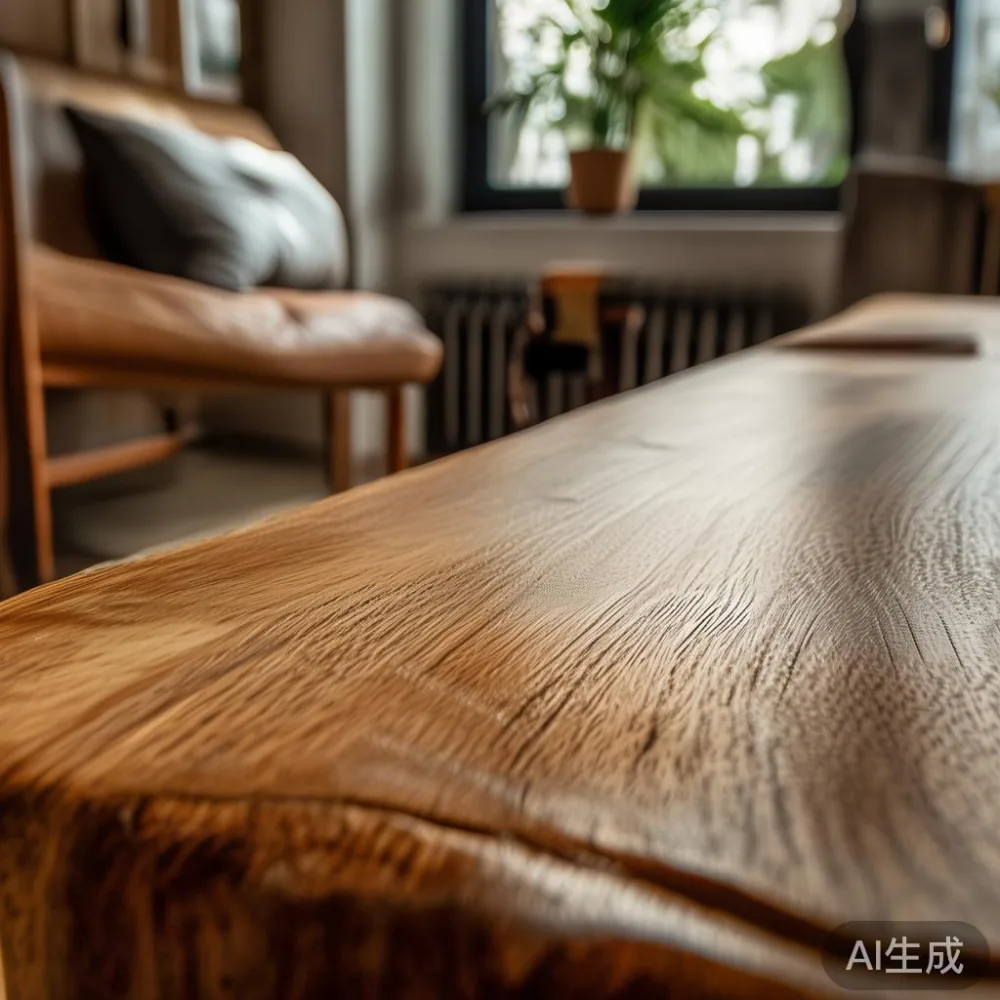
Before diving into numbers, it's important to clearly define our terms. The distinction between solid wood and veneer furniture is fundamental to understanding their long-term performance. Solid wood furniture, as the name implies, is crafted from a single, solid piece of lumber, such as oak, walnut, or mango wood. This construction method ensures that the entire piece, from the main frame to the legs and tabletops, is made of genuine wood. The natural grain, texture, and character of the wood are consistent throughout, making each piece unique.
Veneer furniture, on the other hand, uses a thin layer of real wood, often called a 'veneer', applied over a core material. This core can be a composite board like Medium-Density Fibreboard (MDF), Particleboard, or sometimes even a solid wood frame. The veneer provides the appearance of solid wood, showcasing the beautiful grain, but it is only a surface layer. Think of it as a high-quality photograph of wood versus the real thing. Both options can be beautiful, but their underlying structures dictate their lifespan and performance, especially in Singapore's humid climate where condensation can form on air-conditioning units and in corridors.
The Initial Investment: A Singaporean's Price Point Perspective
The most immediate difference between veneer and solid wood furniture is the upfront cost. In Singapore, where a marble table can easily cost several thousand dollars, this initial investment is a major consideration for most households. Let's establish a baseline for common furniture pieces to illustrate this disparity. These figures reflect typical prices for standard-sized items suitable for local HDBs and condos, keeping in mind the 9% Goods and Services Tax (GST).
A solid wood dining table for six people, made from a durable wood like Sheesham or Acacia, might start from SGD 2,800. This price reflects the quality of the single, solid piece of timber. In contrast, a veneer dining table with a similar design and appearance could be priced around SGD 1,200. The difference lies in the material cost; solid wood requires significantly more raw material. For a bed frame, a solid wood option might cost SGD 1,800, while a veneer equivalent could be found for SGD 800. The price gap is consistent across the board: a solid wood wardrobe might be SGD 3,500 compared to a veneer version at SGD 1,500, and a solid wood sofa could start from SGD 3,000 versus a veneer sofa at SGD 1,500.
These numbers show a clear pattern: veneer furniture is generally 40% to 60% cheaper at the point of sale. For a young family furnishing their first Bedok HDB flat, this lower initial cost can be very appealing, freeing up the budget for other necessities or allowing for a more extensive initial set. However, this initial saving is only the first chapter of the story. The true cost emerges over the years of ownership, influenced by wear, tear, and the need for maintenance or replacement.
Longevity and Durability: A 5-Year Reality Check
The most critical factor in a long-term cost analysis is durability. How will these pieces hold up after five years of daily use in a Singaporean home? Solid wood furniture is renowned for its longevity. It is a natural material that can withstand the test of time. A solid wood bed frame or dining table can last for decades, developing a beautiful patina that adds to its character. Its strength comes from its integrity; a solid piece of wood is less prone to structural failure.
Veneer furniture, while durable for its price point, has vulnerabilities. The primary concern is the integrity of the bond between the thin wood veneer and its core, typically MDF. Over time, fluctuations in Singapore's humidity and temperature can cause this bond to weaken. The core material, especially MDF, is susceptible to moisture damage. A small, unsealed spill on a veneer nightstand, if not wiped up immediately, can be absorbed by the MDF core, causing the wood veneer to bubble, warp, or peel away. This is a repair that is often impossible to fix without replacing the entire piece.
My colleague, Sarah, a homeowner in a 20-year-old Punggol condo, experienced this firsthand. Last month, she showed me the veneer sideboard she had purchased five years ago. The surface looked fine, but one of the cabinet doors had sagged noticeably. Upon closer inspection, the internal MDF frame had warped due to the humidity, pulling the door out of alignment. She had already replaced one drawer that had completely fallen apart. Her initial savings of SGD 1,200 on the piece were now being eroded by the cost of repairs and the looming need for a full replacement, a situation that would not have occurred with a solid wood alternative.
Is Solid Wood Furniture Really Worth the Higher Initial Price?
This is the question every Singaporean homeowner asks. The answer lies in a complete view of ownership. A solid wood piece is an investment. Its higher initial cost is offset by its lifespan and the value it retains. A well-made solid wood dining table can be passed down to the next generation. Its timeless appeal means it doesn't look dated, unlike trends in veneer furniture which can quickly become unfashionable. The structural integrity of solid wood means fewer repairs. If a solid wood sofa leg wobbles, it can often be tightened or re-glued. If a veneer sofa's frame cracks, it's often a terminal issue for the piece.
Also, the tactile experience is different. Running your hand over a solid wood surface feels substantial and real. The weight of a solid wood wardrobe provides a sense of permanence and quality that a lighter veneer counterpart simply cannot match. For those exploring how to style American sofa in room, a solid wood piece provides a sturdy, grounding anchor that complements various design aesthetics. The long-term value is undeniable; solid wood furniture holds its value far better than veneer, which often depreciates to a fraction of its original cost after just a few years.
Hidden Costs: Maintenance, Repair, and Replacement
Beyond the initial price, the true cost of ownership includes maintenance, potential repairs, and the expense of replacement. Solid wood furniture requires care to maintain its beauty. This involves periodic polishing with appropriate wood oil to prevent it from drying out in Singapore's air-conditioned environments. This maintenance is a simple, predictable cost, perhaps SGD 50 for a good quality wood oil every 1-2 years for a dining table or bed frame.
Veneer furniture, however, can carry hidden and unpredictable costs. The surface is more delicate and can be scratched more easily. While minor scratches on solid wood can often be buffed out, a deep scratch on a veneer surface can be permanent and unsightly. More critically, as mentioned, damage to the core is often irreparable. The cost of repairing a peeling veneer can sometimes approach the price of a new, lower-end piece. When a veneer wardrobe's internal structure fails, the entire unit must be replaced. This is where the initial savings vanish, and the long-term cost becomes significantly higher.
Consider a 5-year scenario. A veneer dining table might look good for the first two years. By year three, a few chips might appear along the edges. By year five, the surface could be worn, and the MDF legs might feel loose. The owner is now faced with either living with a compromised piece or spending SGD 1,200+ for a new one. Meanwhile, the solid wood table, with its minor scratches buffed out and a fresh coat of oil, looks as good as new and has provided five years of reliable service. The cumulative cost of ownership for the veneer option, including the initial purchase and the replacement, is now SGD 2,400, compared to the solid wood's initial SGD 2,800 plus minor maintenance.
The Singapore Context: Space, Resale, and Return Policy
In Singapore, where space is a premium, the dimensions and weight of furniture are practical concerns. Solid wood furniture is heavier and bulkier. Moving a solid wood wardrobe up a narrow HDB lift or through a corridor requires more effort and potentially more mover costs. Veneer furniture is lighter, making it easier to manoeuvre, which can be a significant advantage for those living in older apartments with tight spaces.
However, for resale, solid wood holds a distinct advantage. A second-hand solid wood bed frame or dining table can still command a good price, especially if it's in good condition. It's an asset. A second-hand veneer piece, on the other hand, has very little resale value. Potential buyers are wary of its unknown lifespan and potential for hidden damage. This lack of residual value is a hidden cost of ownership.
Finally, a retailer's return policy is an important safety net. A good return policy allows a customer to return a piece if it arrives damaged or if it doesn't fit the space. For a high-value item like a marble table, a clear and fair return policy provides peace of mind. This is where established makers, with a history of honouring their commitments, offer a level of security that is invaluable. A company that stands behind its products with a 10-year structural warranty and a lifetime refinishing service is implicitly stating the confidence they have in the longevity of their solid wood construction, a confidence that veneer manufacturers rarely, if ever, offer.
Understanding the Value of Craftsmanship and Warranty
The price of solid wood furniture reflects not just the material, but also the craftsmanship involved. Skilled artisans use traditional joinery techniques like mortise and tenon or dovetail joints, which create incredibly strong and durable connections. These methods are labour-intensive and contribute to the higher cost but are the reason why the furniture can be repaired and refinished for a lifetime. This craftsmanship ensures that the piece is built to last, not just to look good for a few years.
A warranty is a tangible expression of a manufacturer's belief in their product's durability. A 10-year structural warranty on a solid wood sofa or dining table is a promise that the frame will not fail under normal use. This is a commitment that spans years, offering long-term security. In contrast, veneer furniture typically comes with a much shorter warranty, often covering only manufacturing defects for one or two years, and it rarely covers issues arising from humidity or wear, which are the primary failure points for veneer in Singapore.
For consumers exploring wholesale light luxury furniture, understanding this difference is key. Light luxury is about quality and understated elegance, not just a look. A solid wood piece embodies this philosophy, becoming a centrepiece of the home that improves with age. It’s an investment in both beauty and practicality. When considering options like how to choose Italian light luxury sofa or how to style American sofa in room, the material's inherent quality is a foundational element that defines the entire aesthetic and experience.
Real Numbers: A 5-Year Cost Comparison Table
To make this comparison concrete, let's break down the numbers for a typical family furnishing their living and dining areas. We will calculate the total cost of ownership over five years, including the initial purchase, maintenance, and any replacement costs. We'll assume a scenario where the veneer dining table needs to be replaced after five years, a common occurrence based on its typical lifespan in Singapore's climate.
| Item | Material | Initial Cost (SGD) | Maintenance (5 Years) | Replacement Cost (SGD) | Total 5-Year Cost (SGD) |
|---|---|---|---|---|---|
| Dining Table (6-seater) | Solid Wood | 2,800 | 100 (Wood oil) | 0 | 2,900 |
| Dining Table (6-seater) | Veneer | 1,200 | 50 (Polish) | 1,200 (Replacement) | 2,450 |
| Sofa (3-seater) | Solid Wood Frame | 3,500 | 150 (Fabric protector, wood oil) | 0 | 3,650 |
| Sofa (3-seater) | Veneer Frame | 1,800 | 100 (Fabric protector) | 1,800 (Replacement) | 3,700 |
| Wardrobe (2-door) | Solid Wood | 3,200 | 80 (Wood oil) | 0 | 3,280 |
| Wardrobe (2-door) | Veneer | 1,500 | 50 (Polish) | 1,500 (Replacement) | 3,050 |
| Total for 3 Items | Solid Wood | 9,500 | 330 | 0 | 9,830 |
| Total for 3 Items | Veneer | 4,500 | 200 | 4,500 | 9,200 |
As the table shows, the total cost of ownership over five years for veneer furniture can come very close to, or even exceed, the cost of solid wood. This calculation assumes only one replacement. If the veneer sofa also needed replacement, the total cost would surpass the solid wood option. The veneer path offers a lower initial outlay but carries the financial risk of having to repurchase items prematurely. The solid wood path, with a higher initial investment, provides stability, predictability, and peace of mind, knowing your furniture is built to last for decades, not just for a few years.
Conclusion: An Investment in Your Home and Your Future
The choice between veneer and solid wood furniture is more than just a financial calculation; it's a statement about the kind of home you want to live in. For those seeking items for sale Industrial furniture or under 2000 Mid-century modern furniture, veneer can offer a trendy look on a budget. However, for those looking for the best Italian light luxury sofa for 2026 or a timeless piece that will anchor a home for years to come, the value of solid wood becomes clear.
Over a 5-year period, the economic argument for solid wood strengthens significantly. While the initial cost is higher, the elimination of replacement costs and the minimal need for repairs make it a more financially sound choice in the long run. Beyond the dollars, solid wood offers an intangible value: a connection to nature, a sense of permanence, and an heirloom quality that veneer simply cannot replicate. It is an investment in your daily comfort and in the future of your home. When you consider the true cost of ownership, including peace of mind and the avoidance of the hassle of replacing damaged furniture, the value of choosing well-made, solid wood pieces becomes undeniable.