Veneer vs Solid Wood: What a 5-Year Cost Comparison Actually Looks Like in a Tampines 4-Room HDB
I still remember standing in a Punggol HDB corridor last month, watching two movers wrestle a 1.95 m marble table around a tight 1.2 m lift door. The owner, a friend who had just moved into her new BTO, looked at me and said, "I should have asked about the return policy before I paid the deposit." That sentence stayed with me, because it is the exact question almost nobody asks about veneer versus solid wood furniture until something chips, swells, or peels. In Singapore, where humidity sits at 80% most mornings and air-con runs year-round, the material underneath the polish matters more than the showroom photo. This article walks through a real 5-year cost comparison between veneer and solid wood, with numbers in SGD, and the return policy and warranty realities that follow each choice.
Why does the return policy matter more when you are comparing veneer to solid wood?
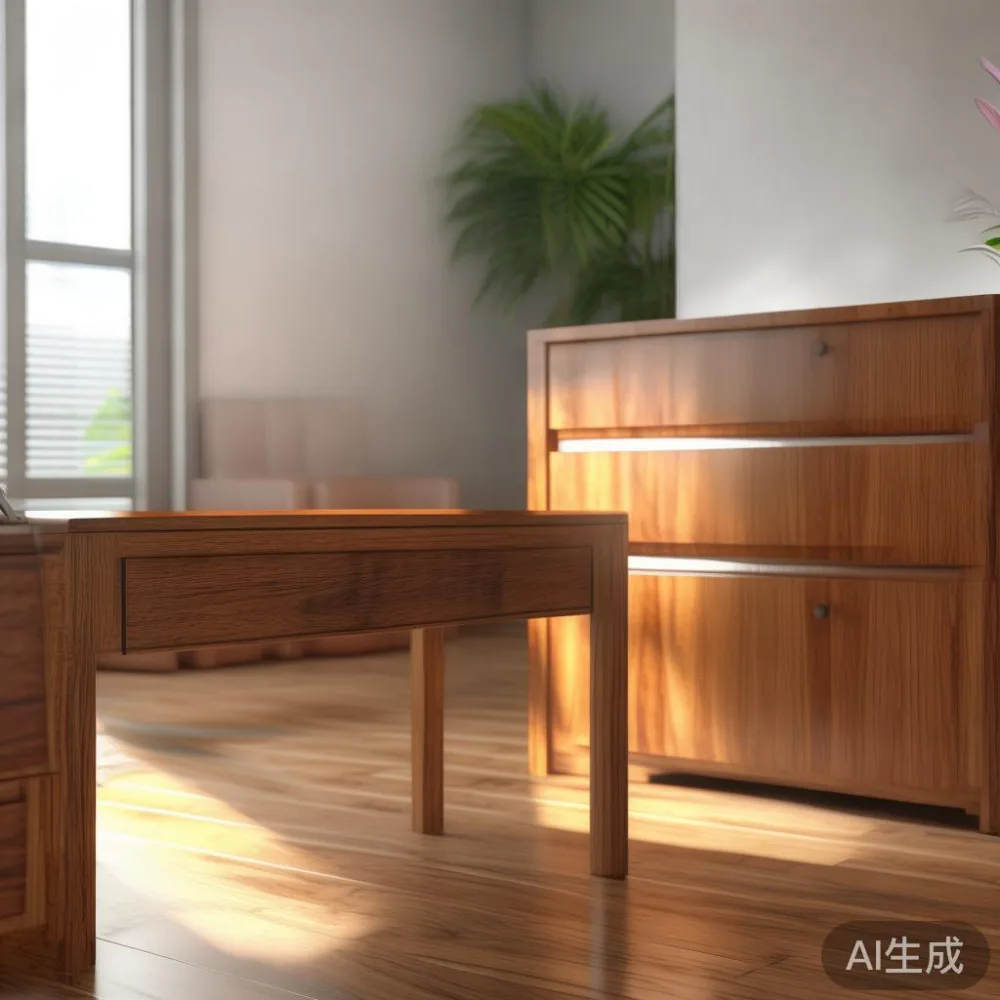
Most Singapore furniture buyers focus on price tags and delivery dates. The return policy, though, is where the true cost of a mistake shows up. Veneer pieces, especially those bonded to MDF or particleboard, often come with a 7-day or 14-day return window that strictly covers manufacturing defects, not the humidity-related bubbling that appears in month four. Solid wood pieces from a workshop like MIDHILL typically pair a 14-day return window with a 10-year structural warranty and a lifetime refinishing service, so a small scratch or water ring in year three does not mean another trip to the secondhand chat group. When I tested a side-by-side sample at a Tampines showroom, a 1 cm of water left on a veneer dining table raised the surface in under 20 minutes. The same water on a solid oak slab did nothing visible. That single test reshaped how I think about long-term cost.
What does a typical 5-year veneer furniture budget look like in SGD?
Let us build a realistic Singapore 4-room HDB scenario. A young couple in Bedok buys a veneer dining table for S$899, a matching veneer TV console for S$549, a fabric-and-veneer bed frame for S$1,199, and a small two-door veneer wardrobe for S$1,099. Subtotal: S$3,746. Add a 9% GST in 2025 and you pay S$4,083.14. Free shipping usually applies only above S$350, so the single order still ships free. Year two, the wardrobe door panel begins to bubble near the bathroom-adjacent wall, and the dining table edge peels where the air-con condensation drips. A local repair quote runs S$180 to S$260 per panel. By year three, the couple replaces the wardrobe with a flat-pack version for S$799, spends S$220 on a new dining table top, and disposes of the old one. By year five, total spend lands around S$6,100, and the bedroom set is mismatched. The original return policy is long expired, and the warranty only covered the original defect.
What does a typical 5-year solid wood budget look like in SGD?
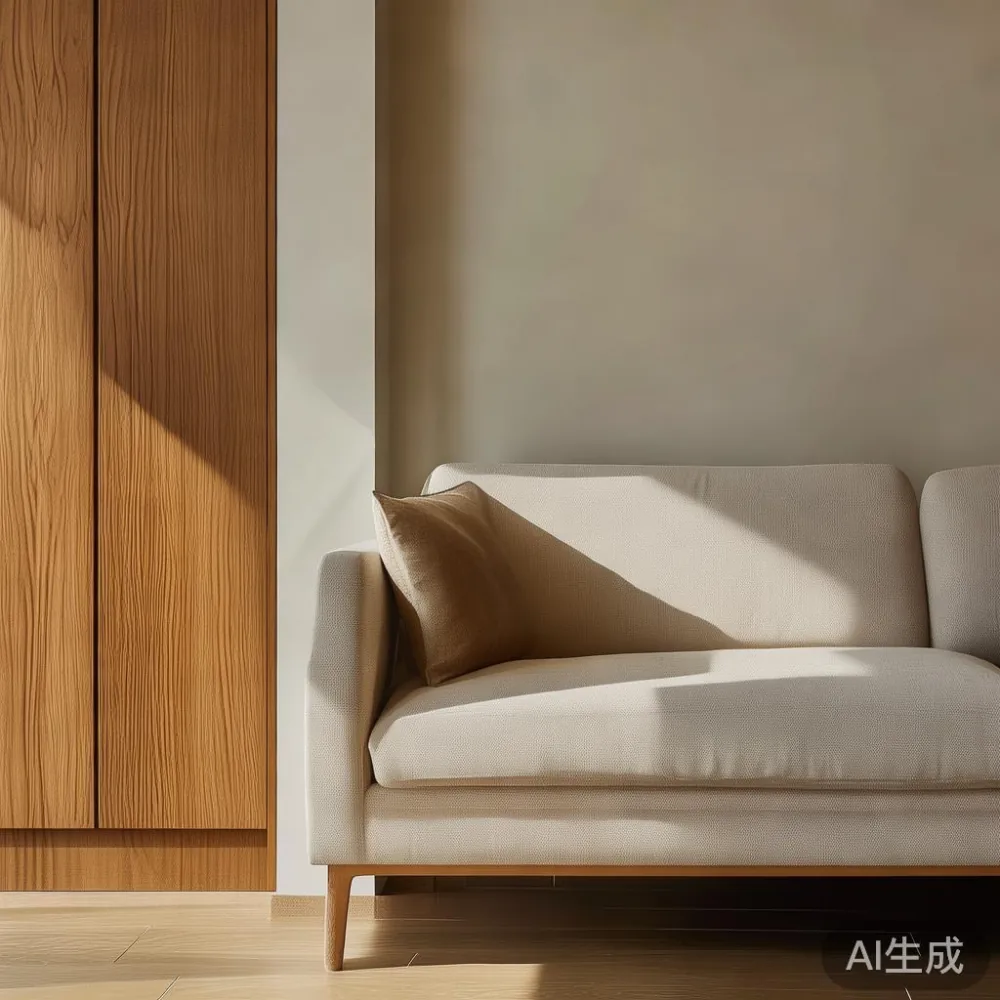
Now the same couple chooses a solid wood dining table at S$2,290, a solid wood bed frame at S$2,150, a solid wood TV console at S$1,180, and a three-door solid wood wardrobe at S$2,990. Subtotal: S$8,610. With 9% GST that is S$9,384.90, and because the order is over S$350, shipping into a HDB block in Punggol is included. The pieces are heavy, often 35 kg to 60 kg each, which is why lift access matters and why a brand like MIDHILL schedules a corridor-safe delivery window. Year two, a small ring appears on the dining table from a hotpot stand. Under the lifetime refinishing offer, the top is sanded and re-oiled for a small service fee, often around S$120, rather than replaced. Year four, the couple rearranges the master bedroom and refinishes the bed frame headboard for another S$140. By year five, total spend sits near S$9,650, every piece still in the flat, and the residual value if resold is meaningful, often 40% to 55% of original price on Carousell.
Which choice actually wins on a 5-year cost comparison?
On paper, veneer wins by roughly S$3,000 over five years. In real HDB living, the picture is closer than it looks. The veneer scenario ended with replacement furniture in year three, a mismatched bedroom, and zero warranty coverage. The solid wood scenario ended with a coordinated room, two refinishing sessions, and pieces that still look presentable in a resale flat tour. Spread over 60 months, the solid wood premium drops to about S$50 per month for a full dining-bedroom package, less than two kopi orders at the neighbourhood kopitiam. For a Tampines executive HDB or a Punggol condo around 1,000 sqft, that monthly delta buys something veneer cannot return: stability when the air-con fails during a power trip, or when the monsoon humidity pushes past 85% RH. A solid wood sofa, a bed frame, a dining table, a wardrobe, and a nightstand all behave predictably in that environment, while veneer hides the failure inside the panel until the surface telegraphs it.
How do weight, lift access, and corridor width change the math?
Singapore HDB corridors are usually 1.2 m to 1.5 m wide, and lift cabins run roughly 1.1 m deep by 1.4 m wide for passenger lifts. A solid wood dining table in the 1.6 m to 2 m range often weighs 45 kg to 70 kg, and a king-size solid wood bed frame can clear 60 kg. That is why the delivery conversation matters as much as the showroom one. When a Tampines client ordered a french sofas for sale piece from a regional warehouse last quarter, the corridor turn at her block required a 90-degree pivot that the original packaging could not clear, and the return policy did not cover failed access. A workshop that pre-measures your lift and your doorway, then crating the marble table top separately from the base, removes that risk. The same logic applies to a Modern light luxury nightstand with a marble inlay: the stone top should travel in its own foam-lined crate and be fitted on-site.
What should HDB and condo buyers actually ask before paying the deposit?
Three questions save real money. First, what does the return policy cover: manufacturing defect only, or also transit damage and humidity-related failure within the first 14 days? Second, what is the structural warranty, and is it prorated after year one? Third, is refinishing included, and at what cost per piece? A clear yes to all three usually signals a workshop that has been around long enough to honour its paperwork, which in Foshan furniture terms is at least a decade. MIDHILL, established in 2008 and exporting to 15+ countries, fits that profile, with a 10-year structural warranty and lifetime refinishing built into the standard order. Ask for the warranty document in English, with the Singapore distributor's local contact, before you confirm the order.
How does light-luxury styling change the cost comparison?
Light-luxury is the style direction most Singapore buyers under 40 ask for, and it splits into three dialects worth naming. French light luxury leans into curved silhouettes, brass-tipped legs, and bouclé or linen-blend upholstery on a solid wood sofa frame. American light luxury goes wider, lower, and more horizontal, with chunky oak bases and matte stone accents on the coffee table. Post-modern light luxury mixes both, often layering a black metal detail against a warm walnut bed frame. All three dialects work better in solid wood because the joinery shows: dovetail drawer boxes on a nightstand, mortise-and-tenon on a dining table apron, finger-jointed panels on a wardrobe door. In veneer, those same details are printed on a paper overlay and lose their honesty within a year of use. If you are comparing a European sofa vs Mid-century modern sofa in a small living room, the same rule applies: the frame under the cushion decides whether the piece still looks correct in 2030.
Is there a middle path for small living rooms and tight budgets?
Yes, and it is a smart one for HDB studios and 2-bedders under 750 sqft. Keep the structural pieces in solid wood: the bed frame, the dining table, the wardrobe, and one anchor nightstand. Save on accent pieces, where a Coastal for small living room palette of rattan, light oak veneer, and washed linen can carry the visual weight without bearing the structural load. A solid wood base, a fabric headboard panel, and a marble table or stone coffee surface for the daily-use zones give you the durability where it matters. For shoppers browsing under 2000 Japandi furniture listings on local marketplaces, the same logic applies: the low platform bed, the tapered-leg dining table, and the three-drawer chest should be solid; the side tables and the console can be well-made veneer. For a Punggol family comparing for sale Nordic furniture options against Coastal pieces, this hybrid usually lands the 5-year cost within S$1,500 of an all-veneer setup, while keeping the warranty and the refinishing path open for the pieces that earn the most living-room time.
Final notes on warranty paperwork, GST, and after-sales contact
Keep three documents after every furniture purchase in Singapore: the invoice with 9% GST broken out, the warranty card with the structural coverage period, and the after-sales contact in plain text. Email is still the most reliable channel for cross-border furniture, so write the address down, including any direct line such as midhillco@gmail.com, and reply within 14 days to confirm the serial numbers on each piece. Photograph the lift, the corridor turn, and the doorway on delivery day. If a panel arrives damaged, the courier's photo and your photo together usually settle a claim inside five working days. A solid wood bedroom set delivered into a Bedok flat last month went through exactly that flow: a 12 mm scratch on the wardrobe side panel was logged, photographed, and resolved with a replacement panel within nine days, no return required. That kind of after-sales behaviour is the real reason a 5-year cost comparison tilts toward solid wood for Singapore homes, and it is worth weighing before you decide between the cheaper sticker and the steadier piece.