What Drives the Price of Solid Wood Furniture in Singapore — And What Your Return Policy Should Cover
I learned more about the cost of solid wood furniture in one afternoon at a Tampines HDB flat than I had in a year of showroom visits. My colleague had just taken delivery of a 1.8-metre solid wood bed frame, and we spent forty minutes trying to wrestle it through a 90 cm-wide corridor before giving up and unwrapping the headboard. The frame came apart cleanly, went through in three pieces, and reassembled inside the bedroom in under twenty minutes. The movers charged S$120 for the carry-up. The bed itself was S$1,490. That gap — between the sticker price and the price of getting the thing into the room — is where most of the confusion about solid wood pricing in Singapore actually lives.
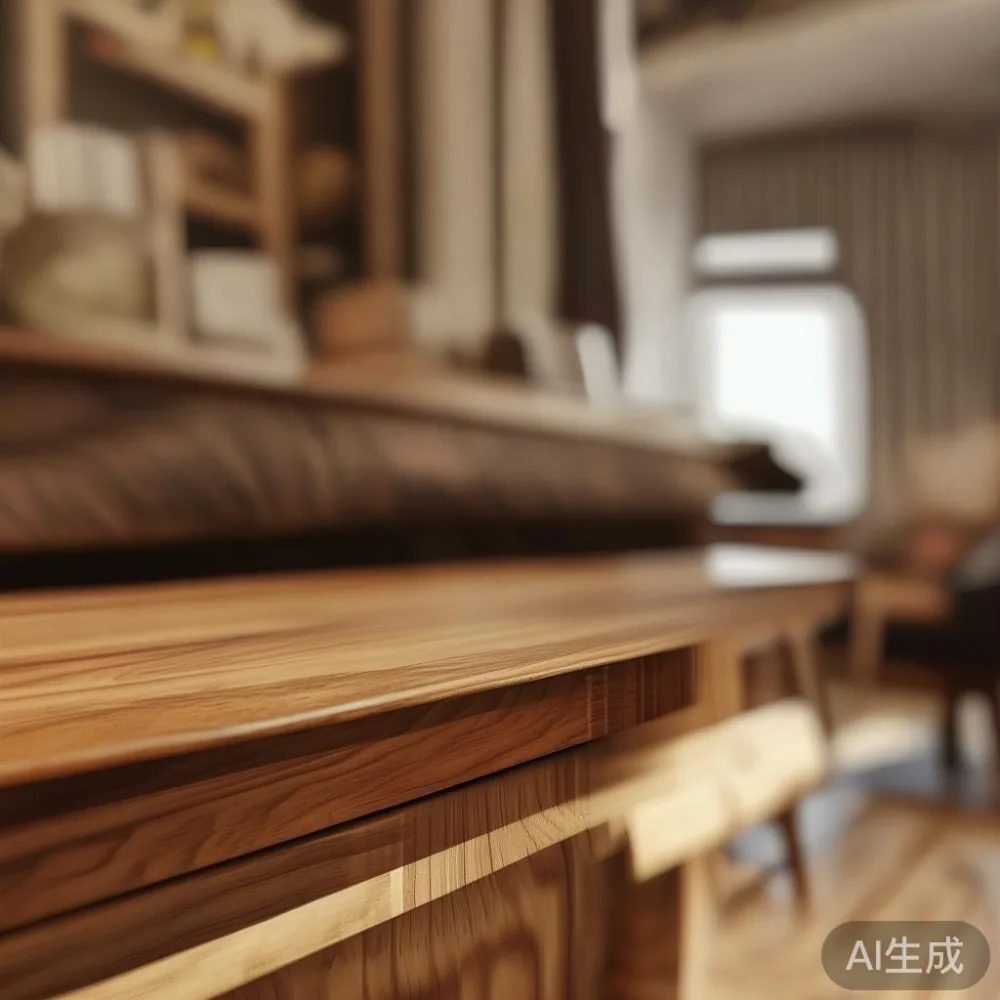
Is American furniture furniture worth it?
Yes — when the construction is honest solid wood and the warranty is structural rather than cosmetic, American-made and American-styled solid wood pieces justify a premium over engineered alternatives, particularly for a bed frame, dining table, or wardrobe that will be used daily for fifteen years or more. The reason is simple: hardwoods like white oak, ash, and walnut carry a density of roughly 600–750 kg per cubic metre, compared with 350–450 kg for the rubberwood commonly used in flat-pack imports. That density translates into a piece that does not rack, twist, or develop joint gaps after two wet Singapore seasons. A solid wood sofa frame, for example, will typically outlast its upholstery by a decade, and you can refinish the timber three or four times before the joinery needs attention.
What goes into the price tag before shipping?
Before a piece of solid wood furniture ever reaches a Singapore HDB lift, five cost drivers have already pushed the number on the price tag upward.

1. Timber grade and moisture content. Kiln-dried white oak at 6–8% moisture content costs roughly two to three times more than the same volume of rubberwood at 10–12%. Mills that dry properly lose about 8% of the board to shrinkage and defects; cheaper mills cut corners and ship you a piece that will cup or split once the air-conditioning hits it.
2. Joinery, not fasteners. A mortise-and-tenon or dovetailed drawer on a nightstand adds S$40–S$80 in labour per drawer versus a cam-lock and dowel. Over a six-drawer wardrobe, that is S$300–S$500 of additional cost — and a drawer that still slides smoothly in year twelve.
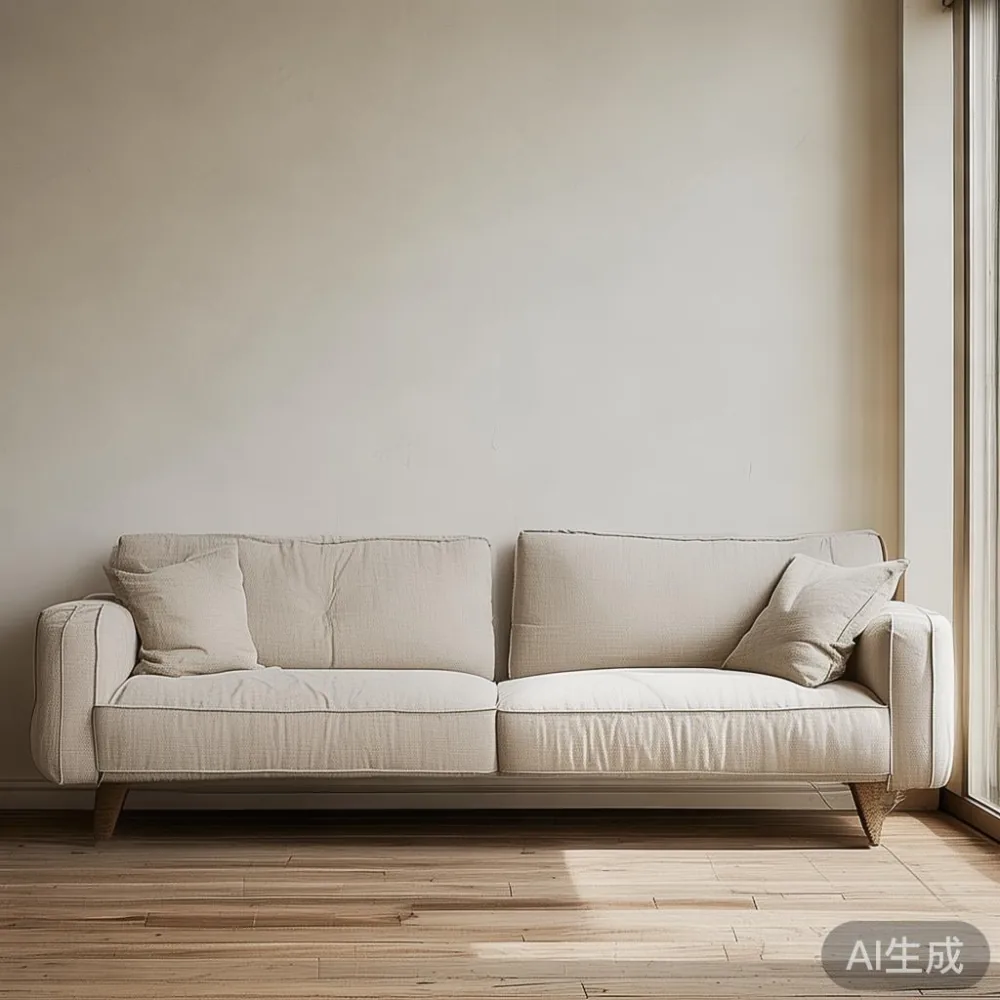
3. Finish quality. A seven-layer conversion varnish or a hand-rubbed hardwax oil on a dining table adds S$150–S$400 over a single-coat nitrocellulose spray. The first option resists the condensation ring left by an ice water glass; the second does not.
4. Marble and stone components. A sintered stone or marble table top on a console adds S$600–S$1,800 depending on whether the slab is a single piece or book-matched. Stone also pushes the freight class upward because a 1.2-metre marble top can weigh 80–110 kg.
5. Hardware and soft-close. Blum or Hettich soft-close hinges run S$12–S$18 each retail, versus S$2–S$4 for unmarked alternatives. On a full-height wardrobe with eight doors, that single line item moves S$112.
How does shipping into Singapore HDB flats change the maths?
This is where the price conversation stops being about the workshop and starts being about the lift. Singapore HDB corridor widths are typically 1.2 m to 1.5 m, and standard lift openings are about 0.9 m wide by 2.1 m tall. A solid wood dining table that ships fully assembled at 2.4 m long simply will not fit. Pieces that arrive flat-packed in two or three sub-30 kg cartons pass through these constraints without drama; pieces that arrive assembled require either hoisting through a service window or a hand-carry fee of S$150–S$350 per floor, depending on the block.
When I visited a Punggol condo last month, the buyer had ordered an American light luxury side table from a brand that quoted free shipping above a certain threshold — but the threshold was based on landed weight, not dimensional weight. A single solid wood side table at 24 kg and 0.45 m³ triggered an oversized surcharge of S$85 because the carton was over the courier's volumetric limit. If you are sizing a side table price singapore search, always check both the actual weight and the packed dimensions before you commit. A well-packed side table in a 55 × 55 × 60 cm carton usually sails through; the same table in a 70 × 70 × 70 cm box with polystyrene ends up in the surcharge band.
GST at 9% (rising to 9.5% from 1 January 2025, then 10% in 2026) is levied on the landed value plus shipping, and for orders above S$400 there is a S$213 personal relief threshold that buys you almost nothing on a single bedroom suite. A S$3,200 bedroom set including a bed frame, two nightstands, and a six-drawer wardrobe pays roughly S$288–S$320 in GST before the relief is applied. Brands like MIDHILL, which have refined their packing volumes since opening their Foshan factory in 2008 and now ship to more than fifteen countries, have largely engineered this problem out by standardising carton sizes against the 90 cm HDB lift opening — worth asking any brand what their largest single carton dimension is before you order.
Does the finish drive up the price, or is it just marketing?
Mostly real, partially marketing. On a solid wood dining table, the difference between a sprayed lacquer and a hand-applied hardwax oil is not just tactile — it is structural. A conversion varnish cures through solvent evaporation and cross-linking into a film 30–60 microns thick that bonds to the cellulose in the timber. A hardwax oil penetrates 100–200 microns into the grain and leaves only 5–10 microns of wax on the surface. The first is more resistant to heat and alcohol; the second is easier to spot-repair when a Bedok grandmother's curry pot leaves a ring.
On a marble table or a marble-topped console, the surface treatment is what determines whether you wipe it clean with a damp cloth or live with a permanent etching from lemon juice. A honed and sealer-treated sintered stone slab costs the fabricator roughly S$60 per square metre more than an unsealed honed slab, but it is the difference between a 10-year surface and a 3-year surface under Singapore's humidity.
French light luxury styling — think pale oak, brushed brass pulls, and sintered stone tops with subtle veining — tends to use water-based polyurethane finishes that are low in VOCs and cure to a softer sheen. American light luxury leans toward richer walnut and darker conversion varnishes. Post-modern light luxury pushes back toward high-gloss lacquers on figured ash. None of these is purely cosmetic; each finish has a different labour input and a different lifespan, and that is the part the price tag is honestly reflecting.
What should a solid wood furniture return policy actually cover?
A genuine solid wood furniture return policy needs to address four things that a standard 14-day return window does not.
Damage in transit. Singapore's last-mile network is mostly handled by two-person teams, but pieces over 35 kg still get dropped occasionally. The policy should specify that concealed damage reported within 48 hours of delivery is covered at full replacement or refund, including the outbound shipping cost. Cosmetic scuffs on a 1.8-metre bed frame headboard are a classic example — visible only after the cardboard is removed.
Visible defects on arrival. Cracks longer than 5 cm, knots that have fallen out, or marble table tops with hairline fractures that propagate within seven days should qualify for replacement, not repair. A common cut-and-paste clause here is to exclude "natural variations in wood grain" — useful for the seller, frustrating for the buyer. A tighter policy will commit to a replacement if a single visible defect exceeds 3 cm in diameter on the primary face of a piece.
Sizing errors caused by the catalogue. A 1.8-metre bed frame listed at 180 cm wide that arrives at 175 cm wide because the measurement was taken post-finish is a catalogue error, not a buyer issue. The return policy should commit to covering the return shipping in this case.
Structural movement in the first year. Solid wood moves with humidity. Singapore averages 80% relative humidity outdoors and 60–65% indoors with air-conditioning. A dining table top that bows more than 4 mm across its width in the first six months, or a wardrobe door that no longer closes flush because the case has racked, is a construction problem, not a humidity problem. The return policy should treat this as a structural warranty claim — and a 10-year structural warranty, the kind MIDHILL provides on its bed frames and wardrobes, is the cleanest way to formalise this commitment.
How do you read a price tag without getting burned?
Three concrete checks before you pay a deposit.
Ask for the packed dimensions and weight of the single largest carton, not just the assembled dimensions of the piece. If it exceeds 90 × 90 × 210 cm, it will not go through a standard HDB lift and you will pay hand-carry fees or refuse delivery.
Ask which hardwood, what moisture content at the time of manufacture, and whether the joinery is mortise-and-tenon, dowel, or pocket-screw. A pocket-screwed solid wood sofa frame is structurally fine for a sofa but is not the same product as a mortise-and-tenoned one — and the price difference of S$200–S$400 should reflect that.
Ask what happens if the piece arrives with a defect, what happens if the marble table top cracks in year two, and what happens if the wardrobe door racks in year eight. The answers separate brands with a workshop from brands with a warehouse. A clear, written return policy that covers transit damage, visible defects, and structural movement is the smallest non-negotiable. Lifetime refinishing and a 10-year structural warranty are the bigger tells.
One final piece of context from my Tampines afternoon: the bed frame that took forty minutes to wrestle through a 90 cm corridor is now eight months old, sits in a room that gets cross-breeze from a window that is open six hours a day, and has not moved a millimetre. The mattress cost three times what the frame did, and the frame will outlast it. That is the silent argument solid wood makes in a Singapore home — and it is the argument your return policy needs to back up in writing before you hand over the cheque.