The True Cost of Furniture: A 5-Year Veneer vs. Solid Wood Analysis for Singaporeans
For homeowners in Singapore, from the compact 4-room HDB flats in Tampines to the more spacious condominiums in Punggol, choosing the right furniture is a decision that balances aesthetics, function, and long-term value. The material you select—whether veneer or solid wood—will not only define the look of your home but also determine its durability, maintenance needs, and cost over time. This article provides a detailed 5-year cost comparison, moving beyond the initial price tag to examine the full lifecycle of your furniture investment. We will explore real-world considerations, including the practicalities of working through HDB lift corridors, the impact of Singapore's Goods and Services Tax (GST), and how a comprehensive return policy can provide peace of mind.

Understanding the Core Difference: Veneer and Solid Wood Construction
Before diving into numbers, it's important to understand what distinguishes these two materials. Veneer furniture is constructed with a thin layer of real wood, often just 0.6mm to 2mm thick, bonded over a core made of engineered wood like Medium-Density Fibreboard (MDF), particleboard, or plywood. This core material is less expensive and provides stability, but it is susceptible to moisture damage and structural failure if not properly sealed. The visible wood layer offers the aesthetic appeal of solid wood at a lower cost.
Solid wood furniture, conversely, is crafted from a single piece of lumber or solid wood panels. The entire structure, from the frame to the visible surfaces, is made of genuine wood. This method of construction offers superior strength, durability, and the unique character that comes with natural wood grain variations. A solid wood dining table, for example, can be sanded down and refinished multiple times over decades, something that is impossible with a veneer surface. This fundamental difference in construction is the root of all subsequent cost and durability comparisons.
The Initial Investment: A Price-by-Price Comparison in SGD
The most apparent difference between veneer and solid wood furniture is the initial purchase price. Veneer pieces are typically 30-50% less expensive than their solid wood counterparts. This price difference is a primary reason many homeowners opt for veneer, especially when furnishing an entire home. However, this initial saving is often offset by higher long-term costs. Let's look at common furniture items found in Singaporean homes, with prices reflecting the local market.
| Furniture Item | Veneer Option (SGD) | Solid Wood Option (SGD) |
|---|---|---|
| Sofa (3-seater) | 1,800 - 2,800 | 3,000 - 5,000 |
| Dining Table (seats 6) | 1,200 - 2,200 | 2,500 - 4,500 |
| Wardrobe (2-door, 1.2m wide) | 900 - 1,600 | 2,000 - 3,500 |
| Bed Frame (Queen size) | 800 - 1,400 | 1,800 - 3,000 |
| Nightstand | 150 - 300 | 350 - 600 |
These prices are before GST, which adds 9% to the final cost. For instance, a solid wood dining table costing SGD 3,500 would have an additional SGD 315 in GST, bringing the total to SGD 3,815. This initial financial outlay is significant, and it's where a good return policy becomes an important safety net, allowing you to return an item if it doesn't meet your expectations within the first 14 days.
Long-Term Durability: A Real-World Experience in a Punggol Condo
Last month, I visited a colleague who had recently furnished her new condominium in Punggol. Her living room was a study in contrasts. She had purchased a stunning American light luxury sofa, a statement piece with clean lines and premium fabric, which she loved. However, to save on the bedroom furniture, she chose a veneer wardrobe and a veneer nightstand to complement her European light luxury bed vs Nordic bed dilemma she had solved by opting for the former.
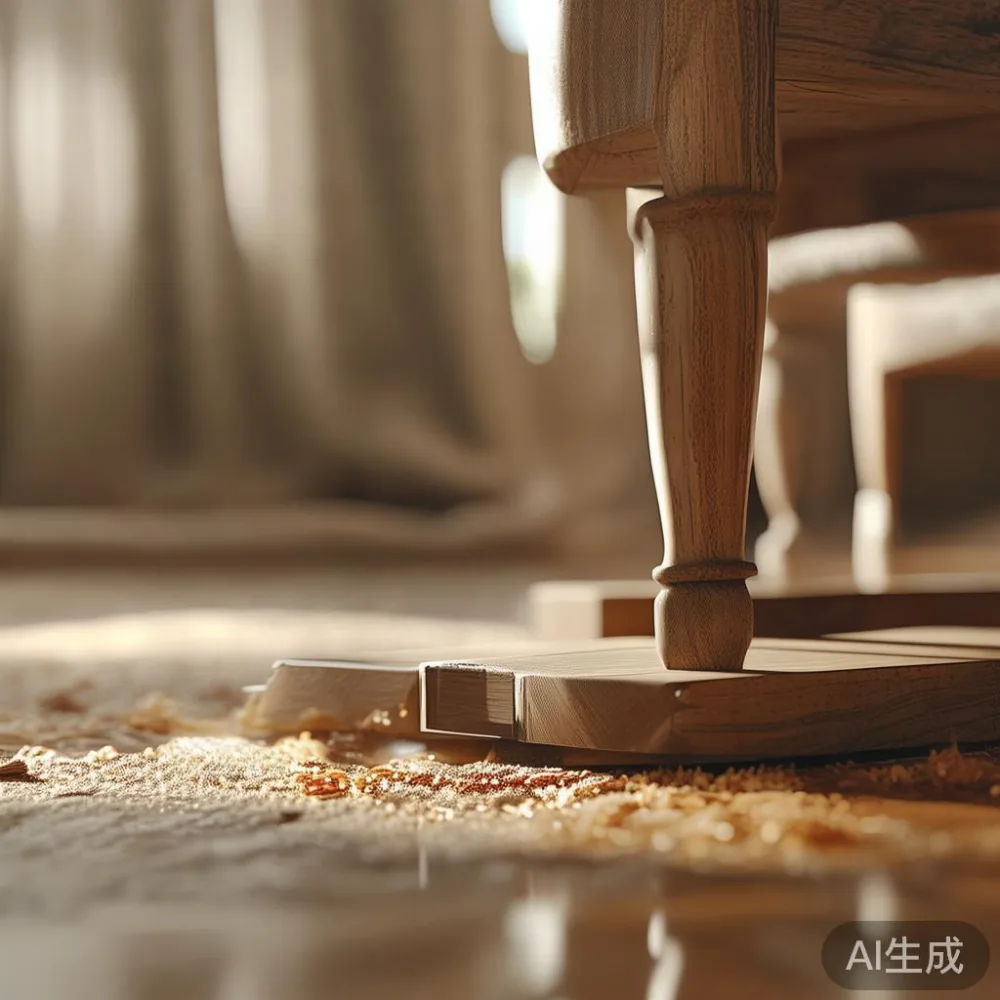
After just 18 months, the veneer nightstand showed clear signs of wear. The laminate finish on one corner had chipped away, revealing the dark MDF core underneath. The veneer on the wardrobe door had begun to bubble near the handle, a common issue with humidity exposure, which is a factor in Singapore's climate. In stark contrast, the solid wood bed frame and the solid wood components of the sofa showed no such damage. The wood had a few minor scuffs from daily use, but these could be easily buffed out. This real-world example underscores the resilience of solid wood; it ages gracefully, whereas veneer can deteriorate more visibly and quickly, especially in a humid environment.
The Hidden Costs of Upkeep and Maintenance
The purchase price is only the beginning. The true cost of ownership lies in maintenance and repairs. Veneer furniture requires careful handling. Minor scratches can be difficult to repair without causing further damage to the thin wood layer. Deep dents or chips often require professional repair, which can be costly and may not restore the piece to its original condition. For example, repairing a damaged section on a veneer dining table can cost between SGD 200 and SGD 500, depending on the extent of the damage.
Solid wood furniture, on the other hand, is remarkably forgiving. Minor scratches can often be buffed out with a wood polish or touched up with a matching wax stick. More significant damage can be sanded down and refinished. This is where services like the lifetime refinishing offered by some manufacturers become invaluable. For a solid wood piece that has seen years of use, a full refinishing might cost SGD 400 to SGD 800, but it effectively restores the furniture to a like-new condition, extending its life by another decade. Over a 5-year period, the cumulative maintenance costs for a solid wood set are typically lower than for a comparable veneer set, which may require multiple smaller, more expensive repairs.
Is Veneer Furniture Really the Cheaper Option Over 5 Years?
This is the most important question for any budget-conscious homeowner. To answer it, we need to create a realistic 5-year cost projection. Let's assume a homeowner purchases a living room set: a sofa, a coffee table, and a TV console. We will track the total expenditure, including initial purchase, maintenance, and potential replacement costs.
- Scenario A: The Veneer Living Room Set
- Initial Purchase (SGD): Sofa (2,200) + Coffee Table (800) + TV Console (1,000) = SGD 4,000
- Maintenance (SGD): Minor touch-ups and polish over 5 years = SGD 150
- Replacement Cost (SGD): By year 4, the veneer on the coffee table is severely damaged, and it needs to be replaced. A new one costs SGD 900.
- Total 5-Year Cost (SGD): 4,000 + 150 + 900 = SGD 5,050
- Scenario B: The Solid Wood Living Room Set
- Initial Purchase (SGD): Sofa (4,000) + Coffee Table (1,800) + TV Console (2,200) = SGD 8,000
- Maintenance (SGD): A professional deep clean and polish in year 3 = SGD 250
- Replacement Cost (SGD): None. The set is in excellent condition and shows no signs of needing replacement.
- Total 5-Year Cost (SGD): 8,000 + 250 = SGD 8,250
At first glance, the veneer set seems like the clear winner. However, this calculation misses the value of longevity. The solid wood set is expected to last for 15-20 years without needing major replacement. If we were to extend this analysis to a 10-year period, the veneer set might need a second replacement, pushing its total cost past SGD 6,000, while the solid wood set might only need another SGD 300 in maintenance. Over the full lifecycle, solid wood often proves to be the more economical choice, not to mention the superior aesthetic and feel of a well-made light luxury coffee table that will be a centerpiece of your home for decades.
Space and Logistics: The Singaporean Reality
In Singapore, space is a premium consideration. The width of HDB lift corridors, typically around 1.2 meters, and the size of lifts themselves, can make moving large furniture a logistical puzzle. Solid wood furniture is denser and heavier than veneer furniture. A solid wood wardrobe might weigh 80-100 kg, while a veneer counterpart of the same size could weigh 50-60 kg. This difference in weight can mean the difference between a smooth move and a stressful one, potentially requiring additional manpower or even a specialised service, which can add SGD 100 to SGD 200 to your moving costs.
For those living in smaller apartments, the lighter weight of veneer furniture can be an advantage. It's also easier to disassemble and reassemble, which is useful if you need to paint your walls or rearrange your layout. When considering how to style American sofa in bedroom or a European light luxury bed vs Nordic bed for a guest room, the weight and bulk of the pieces are practical factors that shouldn't be overlooked. A Nordic for guest room style, often characterised by lighter woods and simpler forms, can be an excellent choice for spaces where weight and visual lightness are priorities.
How a Comprehensive Return Policy Protects Your Investment
Given the significant financial commitment, especially for solid wood pieces, a strong return policy is not just a perk—it's a necessity. A good return policy allows you to bring a piece home and live with it for a period (typically 14 days) to ensure it fits your space, style, and comfort. This trial period is invaluable for items like a solid wood sofa or a bed frame, where comfort is subjective.
When you invest in a higher-cost item like a solid wood dining table, a 14-day return policy provides a safety net. What if the colour of the wood doesn't match your floor tiles as you expected? What if the dimensions are slightly too large for your dining area? A clear return policy allows you to rectify these issues without a major financial loss. It also reflects the confidence of the manufacturer in their product's quality. For instance, a company offering a 10-year structural warranty alongside a 14-day return is signalling that they stand behind their furniture's durability from day one. This assurance is particularly important for a long-term investment like a best Rustic wardrobe for 2026, which you expect to serve your family for many years.
Styling Your Singapore Home with Light Luxury
Regardless of the material you choose, the style of your furniture plays a huge role in creating a home you love. Light luxury is a popular aesthetic that blends high-quality materials with a sense of understated elegance. For the bedroom, a European light luxury bed can serve as a stunning focal point, often featuring plush upholstery, fine wood details, and a sophisticated silhouette. The question of how to style European bed in room often involves pairing it with minimalist nightstands and soft, textured linens to create a serene and luxurious retreat.
In the living room, an American light luxury sofa, with its deep cushions and premium fabrics, offers both comfort and a modern, relaxed vibe. For the dining area, a solid wood dining table paired with marble or stone-top side tables can create a look of refined luxury that is perfect for entertaining guests. The key is to balance statement pieces with simpler ones to avoid a cluttered look. For instance, a large, ornate light luxury coffee table can be grounded by a more understated sofa and rug.
Making the Final Decision: Factors to Weigh for Your Home
After examining the costs, durability, and practicalities, the decision between veneer and solid wood comes down to your personal priorities and circumstances. Ask yourself these questions:
- What is my budget? Can I afford the higher initial cost of solid wood, or do I need to spread my expenditure?
- How long do I plan to stay in this home? If you are in a property for the long term, the durability of solid wood is a major advantage. If you are renting and may move in a few years, veneer might be a more practical choice.
- What is my lifestyle like? Homes with children, pets, or high-traffic usage will benefit immensely from the resilience of solid wood.
- How important is sustainability to me? Solid wood furniture is a more sustainable long-term investment as it doesn't need to be replaced as frequently.
Ultimately, the choice is personal. For many Singaporeans, the peace of mind that comes with owning a durable, timeless piece of solid wood furniture, backed by a strong warranty and a clear return policy, is worth the initial investment. It’s about choosing furniture that will not only look beautiful in your Tampines or Bedok home today but will continue to do so for years to come, becoming a part of your family's story.