Humidity's Impact on Solid Wood in Singapore Houses
Singapore’s warm, humid climate can make solid wood furniture move, swell, check or develop mould if it is not handled correctly. The effect is especially noticeable in HDB flats and condominiums in Tampines, Bedok and Punggol, where interior spaces may have narrow corridors, compact lift lobbies and limited room for air circulation. Humidity does not automatically mean that furniture will fail, but the moisture content of wood, the quality of its finish and the way a piece is delivered all influence its long-term appearance.
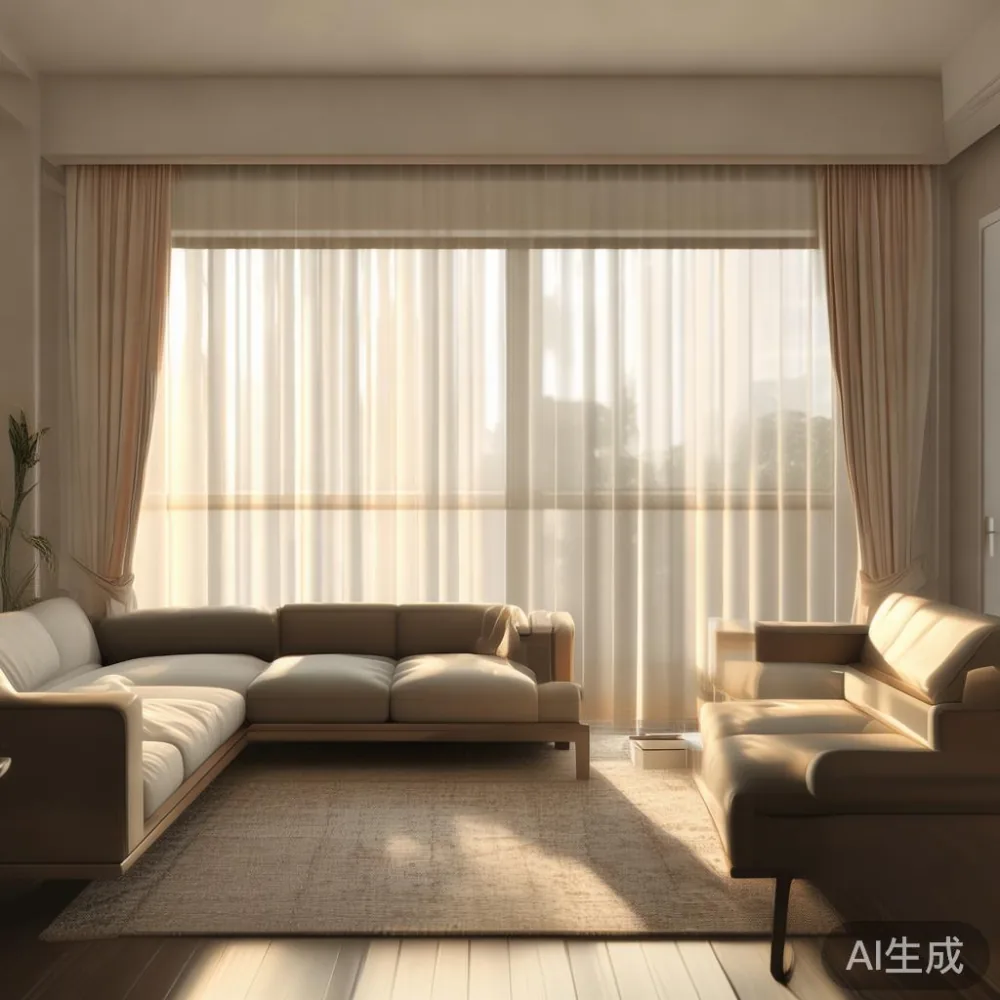
This guide explains humidity in practical terms, using centimetres, kilograms, percentages, Singapore dollars and delivery days rather than vague warnings. It also covers the return policy, because a homeowner should understand the conditions for returning a dining table, bed frame or wardrobe before accepting delivery. MIDHILL is a Foshan solid wood furniture maker established in 2008, and its approach to care, refinishing and customer decisions is relevant to anyone furnishing a Singapore home.
What is the ideal humidity level for solid wood furniture?
Wood naturally exchanges moisture with the surrounding air. When relative humidity rises, the wood can gain moisture and expand across its grain. When relative humidity falls, it can lose moisture and contract. A useful indoor target is approximately 40–60% relative humidity, with ordinary Singapore conditions often sitting above that range during wet periods.
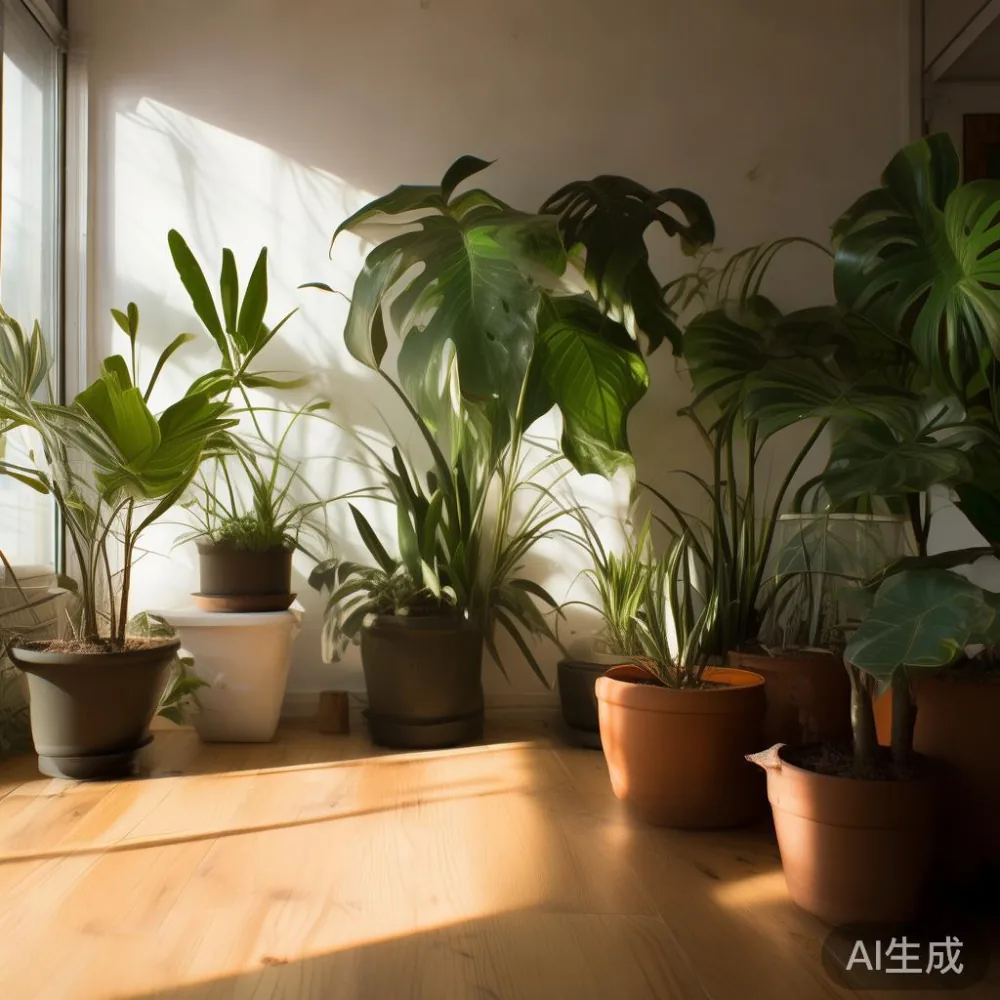
A hygrometer is a small device that can cost about SGD 20–45. Place one near a sofa, bed frame or dining table rather than beside an air-conditioning vent. Check the reading in the morning and evening for 7 days. If the display regularly shows 70% or more, consider improving airflow, using a dehumidifier or reducing direct moisture sources. Avoid installing solid wood furniture against a damp exterior wall, next to a bathroom or immediately beside a washing machine.
The target is not a promise that every room can remain at 50% year-round. Singapore’s outdoor relative humidity can move between roughly 65% and 95% during humid spells. The indoor piece should be protected from sudden changes, especially within its first 24 months, when a new finish and new timber may still be settling into the home.
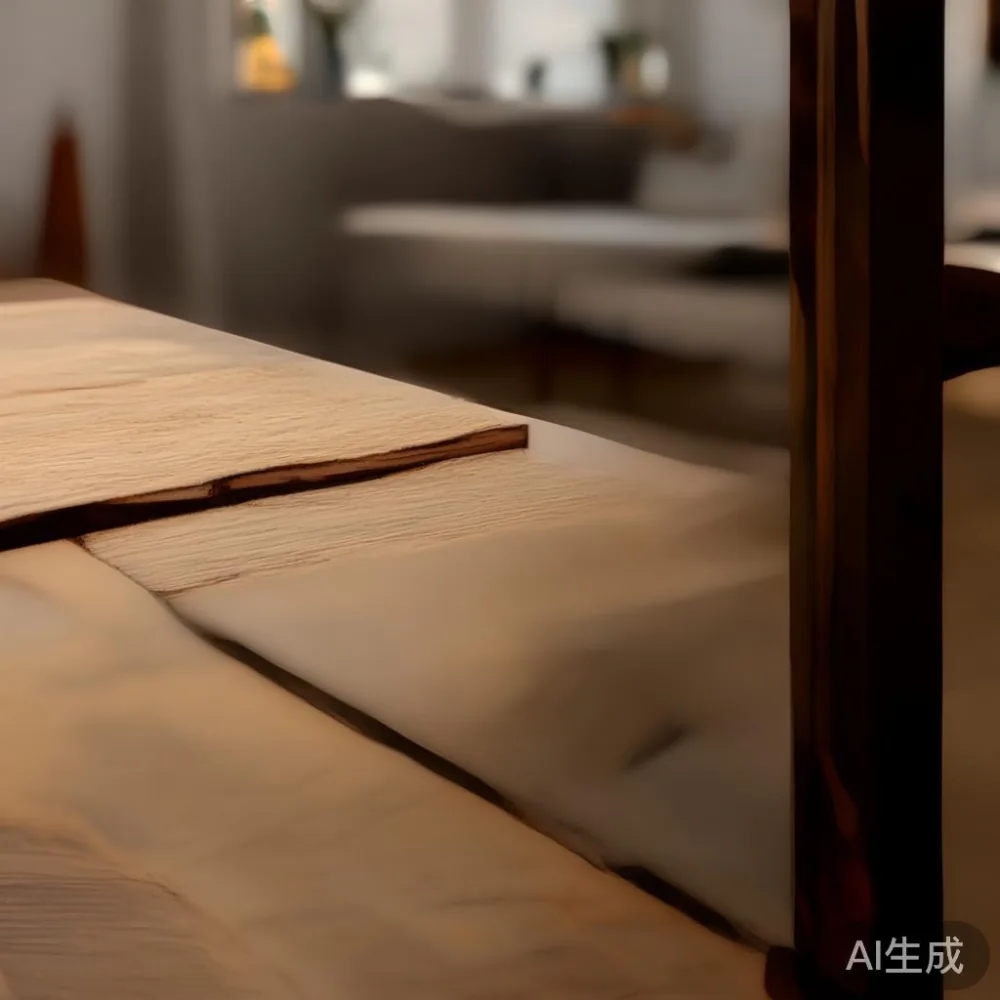
Oak, ash, beech, walnut and other solid woods can move by several millimetres across a wide board. A tabletop measuring 180 cm by 90 cm might show around 2–6 mm of seasonal variation depending on its construction and moisture exposure. Small movement is not automatically a defect. Large gaps, deep cracks, mould growth or severe distortion need to be assessed rather than dismissed as normal weather behaviour.
How does humidity affect a dining table or marble table?
A solid wood dining table is particularly sensitive because its top is a broad surface that collects heat and moisture. Daily meals add water rings, cooking steam and cleaning moisture. Use a coaster under hot objects and a separate placemat for damp items. Wipe spills within about 10 minutes, using a soft cloth that is damp but not dripping. Do not soak the surface with a wet mop.
For a dining table, leave clearance from a wall or radiator of at least 5 cm where possible. This allows air to move around the edges and makes cleaning easier. If a dehumidifier is running, aim for gradual changes of about 5% relative humidity per day, not an immediate jump from 75% to 45%.
Marble tables need a different kind of attention. Marble is less vulnerable to swelling than solid wood, but its sealer can degrade with water, acidic liquids and harsh cleaners. Wipe citrus juice, wine and vinegar promptly. A pH-neutral cleaner and a soft cloth are safer than an abrasive pad. Keep the marble table away from direct rain and standing water, and have its sealer checked every 12–24 months.
Delivery teams often carry a marble top separately because a 150 kg slab cannot safely pass through a condominium corridor or fit into a standard lift. Check the doorway, corridor turning radius and lift door measurement before delivery. A marble table top measuring 140 cm × 70 cm × 3 cm can weigh approximately 85–110 kg, depending on thickness and density. Protective wrapping, two-person handling and clear communication can prevent damage to both the stone and the building.
What should I do for a solid wood sofa or bed frame?
Upholstered solid wood components can be affected twice: the timber frame responds to humidity, while foam, fabric and cushion fillings can trap moisture. After humid weather, air a sofa for 2–4 hours in a well-ventilated room, but do not place it in direct sunlight for more than 30 minutes. A solid wood sofa frame should be kept away from air-conditioner outlets blowing continuously across it, because rapid drying can cause cracking in the timber.
Leave around 10–15 cm behind a bed frame for inspection and cleaning. In a compact HDB bedroom, this may require a careful layout plan rather than pushing the frame tightly against the wall. For a 180 cm mattress, check that the room’s usable wall length is at least 195–205 cm once side clearance and the headboard are considered.
For anyone comparing a light luxury sofa vs Italian light luxury sofa, the frame construction, wood moisture control, cushion quality and after-sales terms matter more than a decorative label. The phrase best Vintage sofa for 2026 is also misleading if a sofa has no clear moisture specification. “Vintage” describes style or character, not how well a frame responds to tropical humidity.
For Japanese sofa vs French provincial sofa comparisons, look at the frame, joinery and removable covers rather than assuming one regional style is automatically more suitable. French sofas for sale should come with care instructions that explain fabric cleaning, frame ventilation and possible shrinkage. Keep liquids off the seat, and use a moisture meter only if you know how to interpret it; a reading taken immediately after wiping a cushion can be misleading.
Will a wardrobe or nightstand develop mould in a Singapore bedroom?
Mould risk is highest when humidity remains high, surfaces stay wet and airflow is poor. A wardrobe can develop musty odours if its back panel is pressed against an exterior wall or if wet clothes are stored inside. Leave 5–8 cm of ventilation space at the back when the design allows, and use the wardrobe’s internal drawers or vents to circulate air.
Do not place damp laundry directly into a closed wardrobe. Dry clothing for at least 8–12 hours in a ventilated area before storing it. In Punggol and Bedok homes near open windows, rain can enter even when the windows appear closed; check seals and keep furniture away from the opening by at least 30 cm.
A nightstand should not be treated as a permanent surface for a humid glass, wet towel or unopened package that has just arrived from outside. Keep a coaster under a cup and wipe the top weekly. If a wardrobe or nightstand arrives with a damaged corner, record it on the delivery note before signing. Photograph the pallet, wrapping and all four sides. This is useful within the 14-day returns period offered by MIDHILL, subject to the applicable return policy and condition requirements.
For larger furniture, check whether a condominium lift can handle the packed weight. A wardrobes package may weigh 90–180 kg depending on its dimensions and solid wood content. Lift capacity is commonly around 450–1,000 kg, but building management may impose stricter moving rules. Measure the lift door, cabin depth and corridor turn before choosing a delivery date.
How can Singapore homeowners buy under 2000 light luxury furniture without creating humidity problems?
Budgeting for under 2000 light luxury furniture requires comparing the whole package, not only the visible style. A dining table, nightstand, bed frame and sofa can look coordinated while using very different materials and moisture protections. Ask the supplier what timber is used, how the panels are finished, whether the back and underside are sealed, and what care is required.
MIDHILL’s solid wood furniture is positioned around French light luxury, American light luxury and post-modern light luxury, but the finish should still make sense for a tropical home. For an apartment around 70–100 sqm, a dining table of approximately 140–160 cm can provide useful seating without forcing people to move through a narrow corridor. A bed frame measuring 180 cm × 200 cm needs a room with adequate turning clearance; in a tight corridor, flat-pack or two-piece construction may be easier to manage.
A practical purchase budget might allocate SGD 600–1,200 for a dining table, SGD 700–1,600 for a bed frame, and SGD 500–1,200 for a nightstand, while a marble table or larger wardrobe may require separate planning. Prices vary by timber, dimensions, finish and delivery access. Free shipping over US$350 applies to eligible orders, but Singapore delivery, lift or corridor arrangements should still be confirmed. Allow approximately 7–14 delivery days after dispatch, and add 1–3 days during periods of heavy rain.
Do not use price as the only quality test. Ask for clear care guidance, a structural warranty and a process for refinishing. MIDHILL provides a 10-year structural warranty and lifetime refinishing service, which can help a family maintain a solid wood dining table or wardrobe after years of humid seasons.
What should happen if furniture arrives wet, scratched or distorted?
Inspect the furniture before the delivery team leaves. Check moisture-sensitive areas such as tabletop edges, wardrobe backs, bed rails and drawer bottoms. Look for condensation, water stains, swelling, deep splits, loose joints and mould. Photograph each issue with a ruler or tape measure in the frame, and note the package weight and dimensions.
Do not place wet furniture into air-conditioning immediately. If wrapping or padding is damp, remove the outer protection, increase airflow and dry the piece gradually over 48–72 hours. Sudden heating can make the surface dry while the interior remains wet. Keep the item away from direct heaters and strong sunlight.
Return requests should be made through the stated return policy and inspected within the allowed period. For a Singapore order, the customer should retain packaging, labels and delivery records where possible. Furniture that has been exposed to water, altered by the customer or damaged after delivery may require a different solution from a manufacturing issue, so the evidence matters.
I tested this process last month when a colleague’s solid wood dining table arrived in Tampines after a rain shower. The outer carton was damp, but the table itself weighed 46 kg and showed no swelling at the joints. We removed the blanket, kept the table near an open window for 24 hours, then checked it again with a moisture meter. The reading fell steadily over 3 days, and no finish was damaged. The experience reinforced why delivery-day inspection and a written return policy are useful.
How can I maintain solid wood furniture through Singapore’s wet seasons?
Use a simple routine rather than waiting for visible damage. Vacuum dust from under a wardrobe or bed frame every 2–4 weeks. Wipe wooden surfaces with a lightly damp cloth, never a dripping one. Reapply a suitable furniture wax or approved care product according to the finish instructions, often every 6–12 months.
Keep an eye on the building’s environment as well as the furniture. A dehumidifier may help in a room that consistently records more than 65–70% humidity, but it should be used with sensible ventilation. Avoid placing furniture against a cold glass panel where condensation can form. Use protective pads under a nightstand, and keep a solid wood sofa at least 15 cm from a wall if space permits.
For deliveries, measure the route before the day arrives. An HDB corridor may turn sharply within 2–2.5 metres, while a condominium lift may have a door opening of approximately 90–110 cm. Check that the driver can reach the block, whether parking is available and whether the building requires a booking. Clear the route for at least 24 hours if possible.
A well-chosen solid wood wardrobe, nightstand, dining table, bed frame, marble table or sofa can last for decades, provided the buyer understands moisture movement and receives clear care terms. Singapore homeowners should prioritise stable indoor conditions, careful delivery inspection and a return policy that explains what happens if a piece arrives with a problem. That combination protects appearance, household comfort and the long working life of solid wood furniture.