How Southeast Asian Humidity Affects Solid Wood Furniture
Singapore’s tropical climate can make a beautifully crafted solid wood sofa, bed frame or dining table feel different in an HDB flat than it does in a dry showroom. Relative humidity often ranges from roughly 65% to 85% across different periods of the year, while enclosed rooms can experience faster moisture shifts during rain, monsoon winds and daily air-conditioning changes.
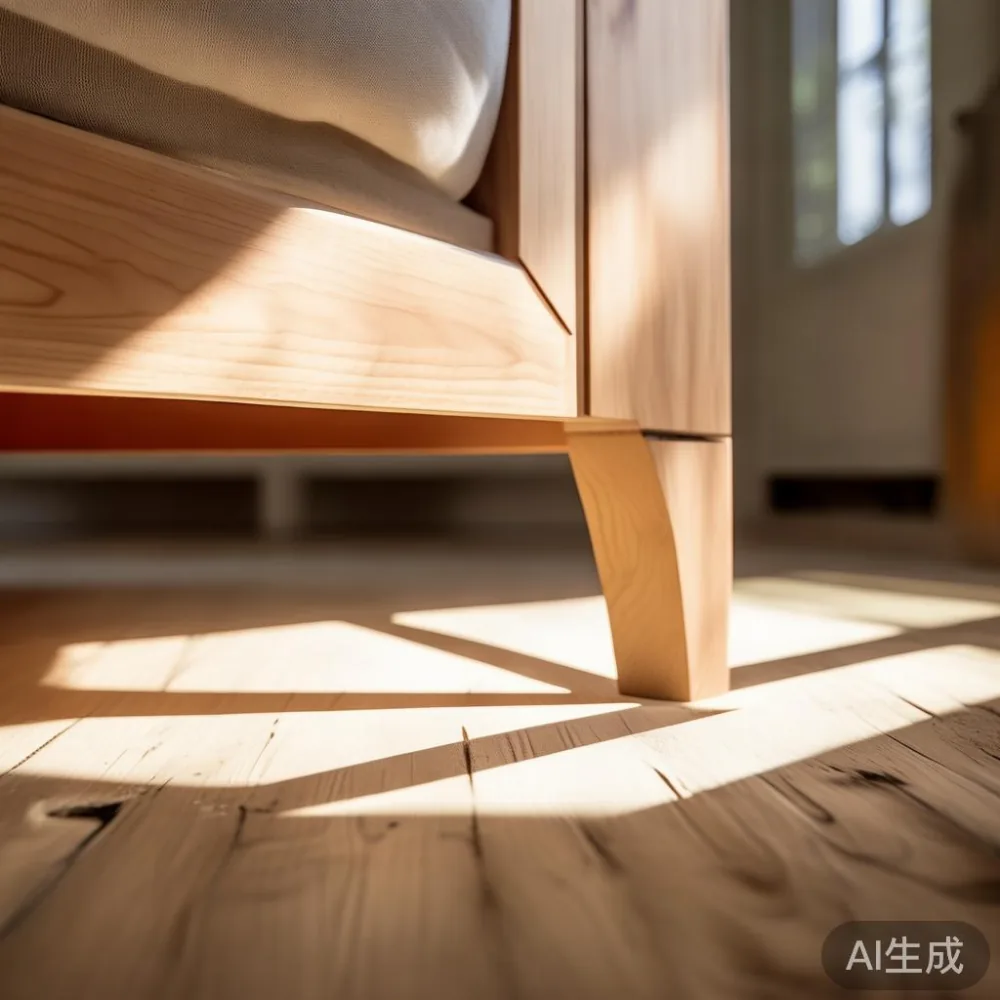
For homeowners in Tampines, Bedok and Punggol, that moisture is not merely a weather detail. It affects how timber moves, how drawer runners feel, how wardrobe doors align and whether a marble table develops condensation. Understanding the connection between humidity and furniture is the practical starting point for buying well-made pieces with realistic expectations.
MIDHILL designs solid wood furniture for long-term use and offers a 10-year structural warranty, a lifetime refinishing service and a 14-day return policy. Those commitments are especially relevant in a humid market, although responsible ownership still requires sensible placement, ventilation and care.

Why does humidity change the size of solid wood furniture?
Wood is hygroscopic: it absorbs moisture when the surrounding air is humid and releases it when the air becomes drier. The change is usually measured in fractions of a millimetre across individual panels, but several movements can become visible at furniture scale.
A solid timber dining table measuring 180 cm by 90 cm may expand by approximately 1 to 3 mm across its width when humidity changes substantially. A bed frame can develop a light gap along a fitted headboard or a slight change in the feel of a joint. Drawers in a wardrobe may tighten as their timber swells, while a nightstand may show faint movement around its doors. Solid wood normally moves more noticeably than engineered wood, but the movement can also be more orderly because the furniture is designed around the material’s behaviour.
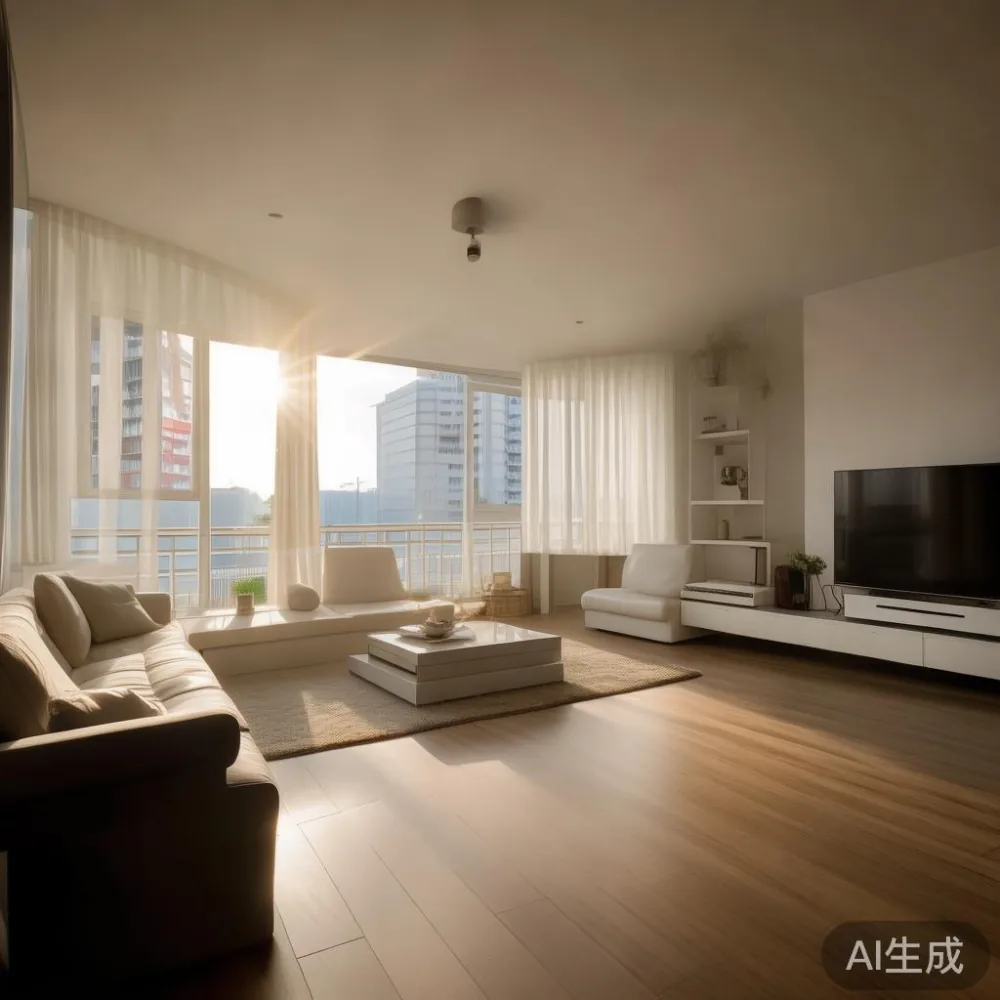
Seasonality matters. Singapore’s wettest months generally coincide with higher rainfall and humidity, whereas drier periods can follow. Air-conditioned HDB flats often sit at around 22 to 26°C indoors, yet the effective moisture condition still depends on how long the doors and windows remain closed. A room opened to a humid corridor after rain may receive moist air quickly.
This is why a maker’s quality control matters. Proper kiln drying, stable joinery, appropriate finishes and clear care instructions all reduce surprises. At MIDHILL, manufacturing and finish decisions are part of the furniture’s long-term performance rather than a short display-room exercise.
What humidity does to a solid wood sofa and bed frame?
A solid wood sofa can change in two connected ways. First, the visible timber frame responds to moisture. Second, cushions, upholstery foam and fabrics may absorb humidity even when the wooden structure stays in good condition. A tightly woven fabric can feel firmer when damp, while loose fills may settle slightly after repeated high-humidity exposure.
For bedroom furniture, a solid wood bed frame needs room to “breathe” against a wall. Leave approximately 5 to 8 cm behind the headboard where the layout permits, and avoid pressing the frame tightly into an exterior wall. This allows ventilation and reduces trapped moisture. It also gives the timber a safer margin for normal dimensional movement.
Customers comparing an American-style frame should consider how to choose American sofa by checking the timber construction, frame depth, suspension, cushion density, fabric breathability and after-sales care—not just by silhouette. An American light luxury approach can suit a large HDB living room, but a wide sofa still needs to account for lift access and corridor turns.
For a French light luxury or post-modern light luxury bedroom, the MIDHILL French provincial bed offers a refined timber foundation and decorative proportions. Its finish should be protected from standing dampness and prolonged direct sunlight. For a compact Punggol unit, measure the room first, then confirm the assembled dimensions before ordering.
Can humidity damage a dining table, wardrobe or marble table?
A dining table receives more direct contact with food, hands and cleaning moisture than many other pieces. Wipe spills promptly rather than leaving them to evaporate over 20 or 30 minutes. Use a lightly damp cloth with mild soap, then dry with a soft cloth. Avoid soaking the surface, spraying cleaner directly onto it and leaving rings from wet cups.
A wardrobe needs airflow because enclosed panels and tightly packed clothes can slow moisture exchange. Standalone wardrobes should be anchored where appropriate and checked periodically for alignment. Sliding doors usually tolerate seasonal movement better than poorly adjusted hinged doors, but they still need clear tracks. Leave around 3 cm above a freestanding unit where installation allows, and avoid pushing it hard against a wall.
Marble requires a different response. Natural marble is less prone to absorbing airborne moisture than wood, but its surface can cool below the surrounding dew point and appear damp. That is condensation, not leaking. A marble table should not be placed immediately beside an open window during heavy rain. Use coasters, maintain ventilation and wipe any surface moisture away.
Questions about sizing and finish often lead customers to ask where to buy coffee table from MIDHILL. A useful comparison should include dimensions, floor clearance, material, finish, weight and the return policy. A coffee table measuring 110 cm by 55 cm may work in a standard living room, while a 120 cm by 60 cm version needs at least 40 to 50 cm of breathing room around it.
How much space should Singapore shoppers leave around furniture?
Space planning is partly moisture planning. Furniture placed directly against external walls is more exposed to condensation and temperature changes than pieces located inside the flat. Leave 5 to 10 cm behind a dining table or nightstand where practical, and use that gap for ventilation and cleaning.
Doorways, lifts and corridors determine whether a furniture order can physically reach its destination. HDB lift doors are commonly about 80 to 90 cm wide, with internal depths of roughly 130 to 160 cm, although building-specific dimensions must be confirmed. A 180 cm dining table may fit diagonally, while a 200 cm model may require partial disassembly. A solid wood sofa with separate modules can be easier to transport than one fixed upholstered frame.
Before delivery, measure the lift door, turning space, staircase width and the route to the flat. Confirm the packed dimensions and gross weight rather than relying only on the product dimensions shown online. Standard furniture delivery in Singapore may take about 7 to 14 working days after production and payment, depending on the item and order timing.
Cost and compliance can also shape the decision. Singapore goods and services tax is 9%, and delivery over US$350 is free under MIDHILL’s stated shipping offer. For a local purchase, the relevant SGD total should include GST and any applicable delivery charge. The return policy should be checked against the product condition and the timing of collection.
How do I protect furniture in a humid HDB or condo?
Start with stable indoor conditions. Relative humidity readings around 50% to 65% are generally easier to maintain than persistently damp rooms, though Singapore homes are not always able to hold that range without suitable dehumidification. A digital hygrometer costs about SGD 20 to SGD 40 and makes changes visible. Place it in the living room and near the bedroom rather than near an air-conditioner outlet, where readings may be unrealistically low.
Ventilate for 15 to 30 minutes after cooking, showering or opening windows during rain. Use exhaust fans where available. Keep furniture at least 30 cm from persistent moisture sources, including an open bathroom doorway, laundry drying rack or kitchen corner. Do not dry timber with direct heat; a hairdryer can force moisture into the surface and cause uneven movement.
For finished wood, dust with a soft cloth and apply a manufacturer-approved care product every 6 to 12 months, depending on use and finish. Test it on an inconspicuous area first. Wipe marble with a neutral cleaner, and treat a marble table with appropriate sealer according to the stone and finish. Avoid acidic liquids such as wine, citrus juice and vinegar on natural stone.
Inspect twice each year, preferably at the change between a wetter and drier period. Check drawer runners, wardrobe doors, bed joints, table edges and the underside of a nightstand. Look for swelling, loose screws, persistent dampness or finish changes. Small adjustments made early are usually simpler to manage than waiting for a complete movement or joint failure.
What does a good return policy mean for a humid climate?
A clear return policy gives customers time to assess furniture in their own environment, but humidity can complicate that assessment. A piece may feel different in a humid flat than in a climate-controlled showroom. Some customers interpret a slight seasonal reaction as a defect, while a genuine structural fault has specific signs that should not be confused with normal timber movement.
MIDHILL provides a 14-day return policy, a 10-year structural warranty and lifetime refinishing. Review the applicable conditions before purchase, especially for custom dimensions, non-standard finishes, made-to-order items and products that have already been assembled. If a dining table develops a persistent split, warped joint or serious structural failure, document it with photographs and contact the service team. If the issue is ordinary moisture-related movement, adjustments and care guidance may be more appropriate than a return.
That distinction is important. Solid wood is expected to respond to its environment, while a well-made frame should remain stable within reasonable limits. A good return policy supports customer confidence, and a good warranty addresses structural performance over years rather than pretending that timber never changes.
How did one real Singapore home respond to humid weather?
Last month, I visited a colleague’s three-room HDB flat in Bedok to check a newly delivered solid wood dining table and bed frame. The dining table measured 180 cm by 90 cm, and the timber arrived with a controlled finish and protected corners. By the second evening, the family noticed that one drawer felt slightly tighter than it had in the showroom.
Rather than treating it as an assembly error, we checked the flat with a hygrometer. The kitchen-side end of the room read about 76% relative humidity, compared with approximately 62% beside the bedroom air-conditioner. We moved the table away from the wall by about 8 cm, opened the windows for 20 minutes and adjusted the drawer runner with the supplied tool. Two days later, the drawer operated normally.
The same visit reinforced a practical point: delivery is only the beginning of ownership. The family also checked that the solid wood sofa and nightstand were not blocking the corridor, kept a 5 cm gap behind the bed frame and scheduled a six-month finish inspection. Their approach combined careful measurement, ventilation and realistic expectations.
What should I check before ordering solid wood furniture online?
Ask for the material, dimensions, weight, finish, care instructions, delivery estimate and return policy before paying. For a solid wood sofa, check the frame and cushion specifications. For a bed frame, check the slat spacing, centre support and assembled dimensions. For a dining table, ask about extension leaves, edge construction and movement allowances. For a wardrobe, check internal widths, hanging space and door clearances.
For a guest room, Modern for guest room decisions should include the mattress size, door swing, ventilation and storage. A compact daybed may suit a 9 sqm room better than a large bed frame, while a slim nightstand can provide surface area without crowding the walkway. For a dining area, American for dining room styling can pair a substantial timber table with simple chairs, but every piece must still fit the measured space and lift route.
Modern French provincial furniture can introduce curved profiles, pale finishes and decorative detail into a Singapore interior. The climate question remains the same: maintain ventilation, avoid persistent dampness and select a finish suited to daily use. Whether the order is a MIDHILL bed, marble table, wardrobe or solid wood sofa, the final purchase should be based on fit, construction and care—not appearance alone.
Humidity will continue to shape Southeast Asian homes. With accurate measurements, sensible spacing and clear after-sales terms, solid wood furniture can remain a durable part of everyday life rather than a showroom object that struggles once it enters a real apartment.