Impact of Humidity on Solid Wood Furniture in Singapore’s Climate
Singapore’s tropical climate can change the dimensions, finish and appearance of solid wood furniture. In an HDB flat in Tampines, a dining table near an open kitchen may experience relative humidity of roughly 65–80% through the monsoon months. The same table in a Bedok condo with air-conditioning may stay nearer 45–60%. That difference is enough to affect drawer runners, wardrobe doors and timber joints.
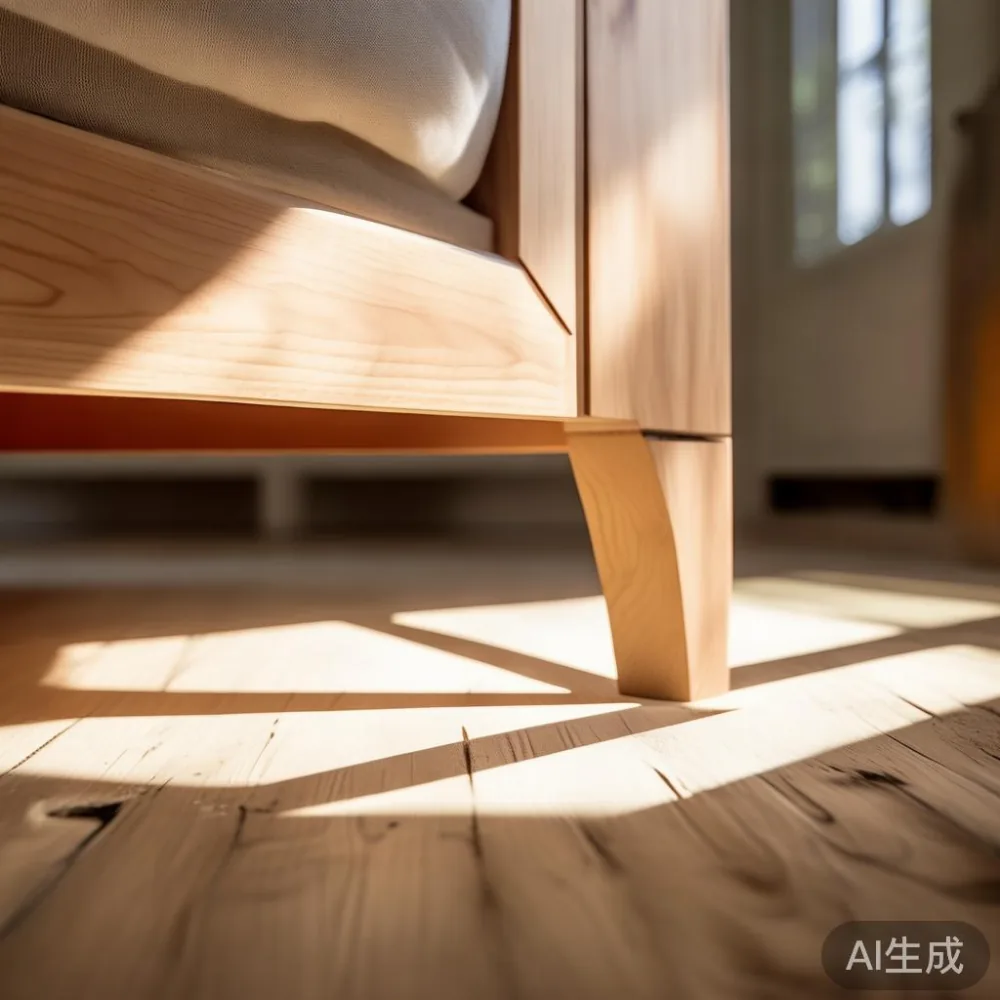
This guide explains how humidity influences solid wood, how to prepare furniture for Singapore homes, and how MIDHILL’s return policy should be reviewed before or after delivery. The subject applies directly to a solid wood sofa, bed frame, dining table, wardrobe, nightstand and marble table, not to unrelated product categories.
Why does humidity make solid wood furniture move in Singapore?
Wood is hygroscopic: it absorbs moisture when the surrounding air is humid and releases it when the air becomes drier. In Singapore, outdoor relative humidity often ranges from about 65% to 85%, while well-air-conditioned interiors may fall to 40% to 55%. A solid oak dining table with unfinished sides can expand by approximately 1–3 mm across a 120 cm width as humidity rises. Its top can also develop a shallow bow if one face receives more moisture than the other.
Movement is normal, but excessive or uneven movement can create problems. A 60 cm solid wood bed frame may loosen at its joints if it repeatedly swells and contracts. A wardrobe door may rub its carcass, and a nightstand drawer may bind. A marble table responds differently: stone changes very little in length, although its supporting timber frame can move and marble may react to moisture at its surface or adhesive joint.
Singapore’s HDB environments make location important. Bedok flats near the coast can experience more salt-laden air than inland Tampines properties. Punggol units with east-facing windows may heat up quickly, while air-conditioned bedrooms produce a larger daily moisture swing. Keep furniture at least 30 cm away from an open window or air-conditioning outlet whenever practical.
How much humidity is suitable for indoor wood furniture?
A practical indoor target is 40–60% relative humidity, with only gradual changes. A hygrometer costing about SGD 15–35 can be placed beside a wardrobe or dining table. Aim for readings below 65% for extended periods and avoid moving a table directly from a humid corridor into a dry, air-conditioned living room.
Do not try to correct a movement problem by wiping timber with water. That can temporarily darken the surface and cause patching once it dries. Instead, control the room gradually. Use the air conditioner or dehumidifier, maintain reasonable separation from walls, and inspect tight spaces every 3 months.
For new furniture, allow the timber to acclimatise before assembly. Unpack solid wood pieces over 12–24 hours if the instructions permit, and leave protective packaging around the table top or bed frame for the first 24 hours. This is particularly helpful for a European light luxury dining table that has travelled from a cooler or drier manufacturing environment through a Foshan factory and onward to Singapore.
What should I check before accepting a solid wood delivery?
Inspect the furniture while delivery staff are present. Check the top, underside, edges, joints, drawer movement and finish for cracks, chips or stains. Photograph the furniture in place and retain the packaging for at least 7 days. Note the delivery date because it starts the relevant return-policy period and helps document the condition at handover.
Measure access before ordering. A standard HDB lift may have a door opening around 80–90 cm and an internal depth of about 130–140 cm, while corridor widths vary by block. A 180 cm dining table may need to enter diagonally or be carried through a staircase. Confirm the packed dimensions, not only the assembled dimensions. For a solid wood sofa, check whether the modules can pass through the lift separately.
Delivery terms should state the number of delivery attempts, the handling period and the cost of returning a rejected item. MIDHILL offers free shipping on orders over US$350, though any SGD total shown at checkout should be checked for the prevailing GST. If a piece is visibly damaged on arrival, photograph the packaging and furniture before signing the delivery record.
Can a Singapore return policy cover humidity-related movement?
Humidity-related expansion is often a natural characteristic of solid wood rather than a manufacturing defect. A return policy should distinguish between manufacturing faults, transit damage and changes caused by storage or room conditions. If a bed frame develops a loose joint, warped top, chipped finish or other defect within the stated period, the seller should assess it under the return policy. Ordinary seasonal movement within documented tolerances may not qualify for return.
Read the return policy in full before purchase, including the condition requirements for returns. For a 14-day return arrangement, furniture should be unused, clean and complete, with all protective covers, hardware and packaging retained. A custom wardrobe with fixed measurements may have different terms from a ready-made nightstand, so request written confirmation for any non-standard item.
MIDHILL provides a 14-day returns framework, a 10-year structural warranty and lifetime refinishing. These protections are most useful when the owner preserves care records and avoids prohibited moisture exposure. Refinishing does not replace correct humidity management, but it can restore an affected finish when service is required under the applicable terms.
Is Italian light luxury sofa worth it in a humid climate?
An imported or Italian-styled solid wood sofa can suit Singapore interiors if its frame, finish and cushion materials are suited to the climate. Ask for the timber species, panel construction, veneer coverage, finish type and cushion filling. A kiln-dried hardwood frame with properly sealed undersides and a breathable upholstery lining is generally more practical than a heavy, fully enclosed frame.
Leather and fabric also respond to moisture. Full-grain leather may soften or tighten across a 35–45% humidity change, while some fabrics can absorb more moisture. Keep a sofa at least 60 cm from a wet kitchen or bathroom doorway and use a dehumidifier if a room remains above 65%. Visitors comparing options should also ask how to choose French sofa for an HDB living room, including seat depth, frame construction and delivery access through narrow lift doors.
Design matters beside humidity. A sofa with raised legs and open underframe space dries more easily than one with a fully boxed base. Loose covers that can be removed for cleaning are useful in a family flat. For shoppers using American light luxury or post-modern light luxury references, the practical question is not simply how a design looks in a showroom, but how it behaves after 12 months of humid evenings.
How should I choose a bed frame, nightstand and wardrobe for humid rooms?
For a bed frame, look for sound joinery and ventilation beneath the slats. A slat spacing of roughly 5–8 cm supports airflow, while a centre support can limit flex on wider models. Ask how to choose Mid-century modern bed for a Singapore bedroom, with attention to clearances, slat support and finish rather than profile alone. Avoid placing the frame directly against a cold wall with a large gap that traps moisture.
For a nightstand, test every drawer with a light push, check that runners are adjustable and wipe spills promptly. A small tray can protect the surface, but do not leave a damp glass or vase overnight. Keep the unit 10–15 cm away from the wall where space allows.
For a wardrobe, ensure doors clear the hinges after a full humidity cycle. Adjustable hinge screws can correct minor movement. A 180–210 cm wardrobe may require two people to move safely, and a 240 cm assembled body may not fit through an HDB lift. Shoppers should also review how to choose European light luxury wardrobe by checking carcass construction, internal storage modules, door alignment and wall clearance. Allow about 5 cm behind a freestanding unit if ventilation is needed.
How do I protect a dining table and marble table?
Use a placemat under hot pans and a separate heat-resistant board beneath hot dishes. Water rings should be dried immediately. Clean a finished dining top with a soft cloth and a product approved by the supplier; avoid silicone-heavy polishes that can leave a patchy surface. Apply felt pads beneath legs and use a humidity-stable mat rather than a rubber-backed mat that can trap moisture.
A marble table needs a stable base. Wipe standing water promptly, especially around a sink or balcony door. Do not place a marble top directly beside a dishwasher where steam and vapour are frequent. Check the underside periodically for moisture marks, and keep at least 60 cm from a bathroom or wet kitchen area.
Visitors exploring best light luxury furniture should judge samples under local conditions. Request a finish care guide, check the warranty scope and confirm whether replacement hardware is available. Light luxury should mean considered detail rather than delicate construction that cannot tolerate a tropical home.
What did I learn during a recent inspection in Singapore?
Last month I visited a colleague’s renovated HDB flat in Tampines to inspect a dining table delivered from a Foshan factory. The table had been positioned near a sliding glass door and the relative humidity beside it reached 78%. A hygrometer in the bedroom read 49%. The table’s drawers fitted correctly, but the long edge had expanded by about 2 mm and a narrow strip along the seam had lost its sheen.
We moved the table 45 cm away from the glazing, set the nearby dehumidifier to 50–55% and reduced the direct airflow. After 10 days, the strip remained slightly visible, but the joint stayed stable and the movement did not continue. The lesson was practical: seasonal expansion was occurring, yet there was no evidence of a structural defect. The return policy was not the right route for that cosmetic change, but the dealer’s care guidance and refinishing service were relevant.
During that visit, we also measured the corridor and lift. The boxed table legs fitted through the lift door, but the assembled top required two people and careful turning. Delivery planning mattered as much as humidity planning. Both should be recorded before a furniture order is dispatched.
How can owners maintain furniture through Singapore’s monsoon seasons?
Check humidity at least twice weekly during the wetter months. A target of 45–60% reduces unnecessary swelling and keeps timber finishes more stable. Wipe condensation from windows, maintain ventilation in corridors and avoid placing wardrobes directly against external walls that stay cool and damp.
Inspect joints, drawer runners and door gaps every 3–6 months. Tighten hardware only when the manufacturer’s instructions allow it. Keep plants in trays and use trays under indoor water features, because a small leak can create a local humidity pocket. Avoid placing a bed frame or dining table beside a drying rack.
Review the return policy before delivery, keep the invoice and photographs, and retain packaging for the stated period. MIDHILL’s 10-year structural warranty and lifetime refinishing offer long-term support, while a clear 14-day return policy gives buyers time to assess condition. Neither substitutes for sensible care, but together they create a more practical ownership plan for Singapore’s climate.
For solid wood furniture, humidity is manageable when the timber is sound, the finish is intact and indoor conditions remain reasonably stable. Measure the room, inspect the piece on arrival and follow the maker’s care guidance. That approach allows a solid wood sofa, bed frame, dining table, wardrobe, nightstand or marble table to retain both its structure and its visual character over many years.