Caring for Lacquered Furniture in a Tropical Climate
Singapore’s warmth and humidity can make a lacquered surface look more demanding than it really is. In an HDB flat in Tampines, afternoon sun may reach a living room for 2-3 hours, while a Bedok condo can experience stronger glare through east-facing glass. Lacquered solid wood furniture can remain handsome when protected from moisture, direct heat and careless cleaning. At MIDHILL, where solid wood pieces are made for long use, the practical goal is controlled care rather than constant polishing.
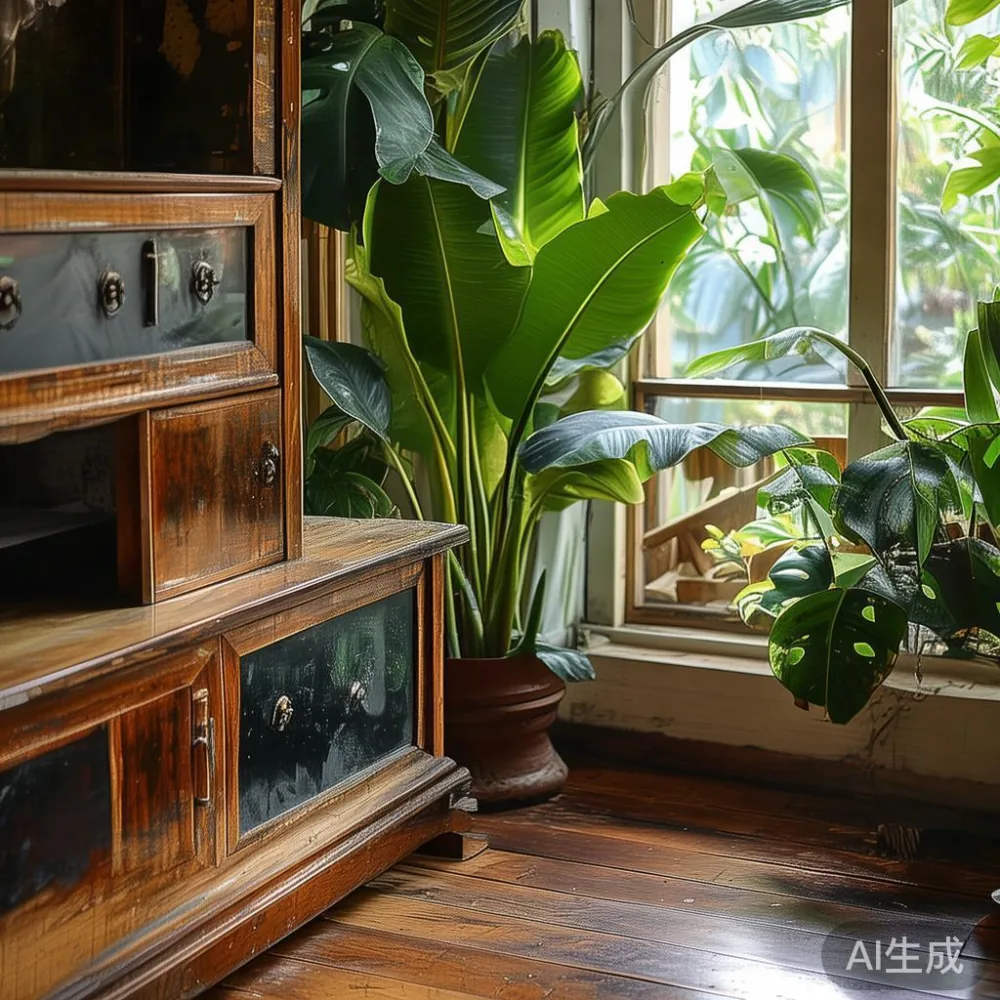
Why does lacquer need special care in Singapore?
Lacquer is a protective finish, not a thick layer of plastic. It can resist ordinary scuffs while still responding to heat, water, alcohol and abrasive pads. Singapore’s relative humidity often ranges from about 65% to 85% across the year. That moisture does not automatically damage a well-finished surface, but repeated damp cleaning, steam mops and fingerprints can make a dull finish look patchy.
UV exposure matters too. A dining table beside a window may receive more than 500 lux during daylight hours. A wardrobe near a corridor may face less direct light, but its tall doors are still exposed to moving air and dust. Keep lacquered pieces at least 30-60 cm from windows, radiators and air-conditioning outlets where possible. Do not place a hot laptop or a mug straight from the hob onto a lacquered dining table; use a coaster and a heat-resistant pad.
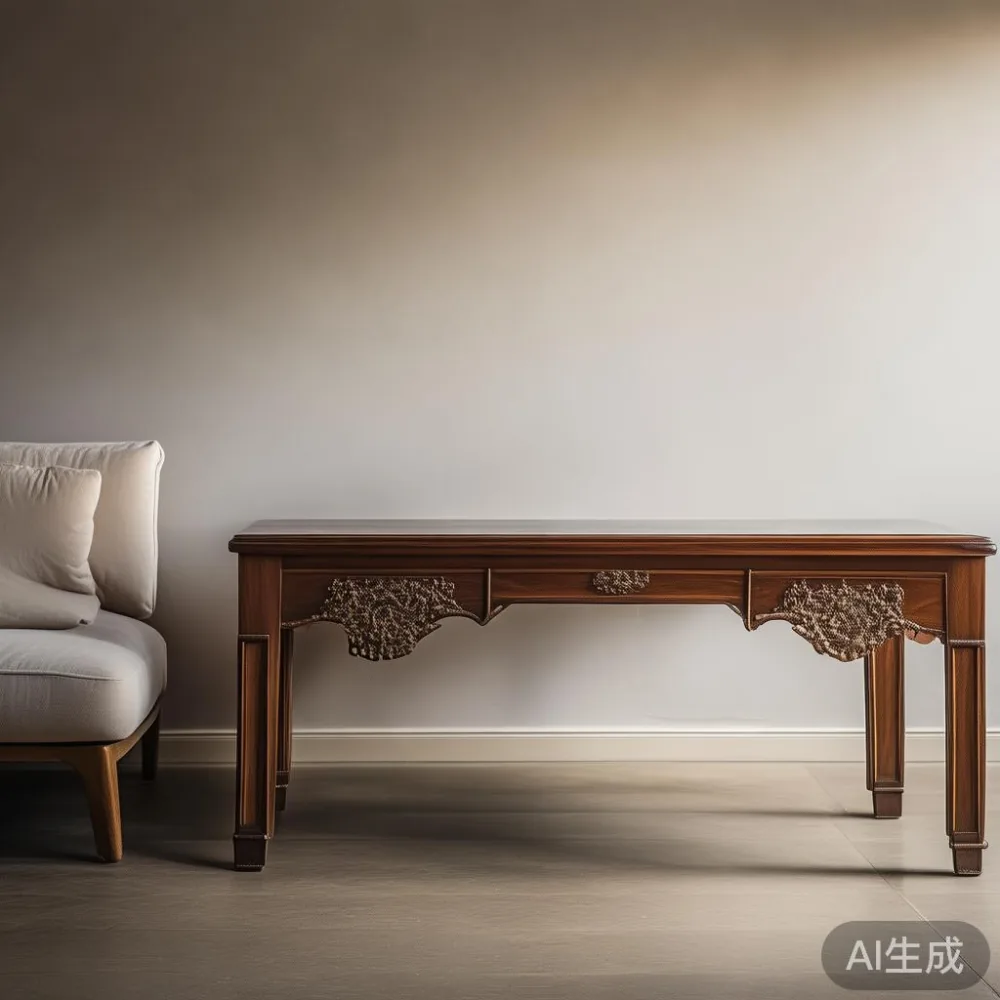
One real test: last month I visited a family in Punggol and checked a lacquered console that had been beside a west-facing HDB window. The top had been wiped with a damp cloth almost daily. The finish showed fine haze and two dull marks. After one careful cleaning session, a soft cloth and a little care, the marks became far less visible. The lesson was simple: wiping is useful, but wiping with the wrong tool is not maintenance.
What should I use to clean a lacquered surface?
Begin with a dry, lint-free microfibre cloth. A fresh cloth should remove ordinary dust without spreading it into the grain. For fingerprints, lightly dampen the cloth with clean water; wring it until it is almost dry, then wipe in sections and dry immediately with a second cloth. The cloth should never leave visible water behind.
Avoid bleach, ammonia, alcohol, vinegar in strong concentrations, abrasive powders and scouring pads. Those products can alter the sheen or make clear-coated surfaces appear cloudy. Do not use a steam cleaner on a lacquered bed frame, dining table or wardrobe. Steam forces moisture into joints and can affect lacquer adhesion over time. Avoid polishing furniture while it is warm; wait at least 30 minutes after moving it away from sunlight or an air conditioner.
For a heavily marked finish, test a manufacturer-approved cleaner in a hidden 5 cm by 5 cm area. Wait 24 hours before judging the result. A small test matters because lacquer formulations vary, especially on a marble table, where the stone and protective coating may behave differently from solid wood. Never mix cleaners. Let the surface dry fully before using it.
Lift and corridor widths also influence household care. A solid wood sofa in a compact flat may be cleaned from one side, then rotated carefully after at least 2 people have checked the floor route. When carrying a lacquered wardrobe through a lift measuring 90 cm wide, remove loose doors only if the manufacturer permits it. Protect corners with 2-3 cm foam, and keep packaging straps from pressing against the finish.
How often should lacquered furniture be maintained?
A light weekly dusting routine is generally enough for a lacquered nightstand, dining table or solid wood sofa. In a high-traffic HDB home, dust twice a week along skirting boards and under cushions. Use a clean cloth rather than shaking a feather duster near the finish, because loose grit can scratch.
Wipe fingerprints as they appear, especially on wardrobe handles and a lacquered bed frame. Check the underside of table edges every 3 months. In humid weather, inspect for condensation around air-conditioning vents and keep liquids at least 20 cm away from lacquered panels. Do not schedule furniture refinishing simply because a surface has lost its original depth; first determine whether the finish is dirty, scratched or chemically damaged.
MIDHILL offers lifetime refinishing for qualifying pieces, but a return policy should still be understood before delivery. MIDHILL’s 10-year structural warranty addresses structural concerns, while lacquer care remains an important part of preserving appearance. Keep receipts, product photos and care notes. The company provides free shipping over US$350, accepts returns within 14 days under its return policy, and has exported to more than 15 countries. Prices quoted to Singapore customers should be checked in SGD, including GST where applicable.
Can sunlight damage a French light luxury wardrobe?
Yes, prolonged sunlight can fade colour and make lacquer gloss uneven. A French light luxury wardrobe may include pale ash, warm walnut or muted stone tones; each colour can show UV change differently. If you are considering how to choose Italian light luxury wardrobe for a condo bedroom, ask for the finish type, sheen level and recommended light exposure. Place tall storage away from windows where possible, or use a sheer curtain that filters light while allowing ventilation.
For a bedroom near Bedok’s coastal humidity, maintain air movement and avoid standing the wardrobe against an unventilated external wall. Leave a 3-5 cm gap behind it when the design allows, and check that the floor is dry. A European light luxury bed with a lacquered headboard should not be placed where humid bedding touches the headboard every night. Use a clean protector and replace it every 6-12 months.
Light-luxury styling is not only about visual detail. It also depends on restraint. A post-modern light luxury dining table can sit well in a clean room if the furniture receives consistent care. A marble table needs its own rules: use a neutral pH cleaner approved for stone, wipe spills within 15 minutes, and avoid acidic liquids such as citrus juice. The lacquered edge still deserves a dry finish.
What is the safest way to remove a stain?
First identify the stain. Water, oil, ink and adhesive require different responses. Blot liquid immediately with a clean cloth; do not rub. For a small oil mark on a lacquered dining table, place a paper towel over the spot, then apply gentle pressure with a warm, dry cloth for no more than 30 seconds. Repeat only after the surface has dried.
For stubborn marks, avoid household solvents. Lacquer can haze, lift or lose gloss when exposed to alcohol and acetone. If a mark remains, record its position and size, take a daylight photograph, and contact the furniture maker. A refinishing decision is safer when it is based on evidence rather than a quick experiment.
Common household placements create predictable risks. A nightstand near a bed can receive sunscreen, hand cream and perfume. A solid wood sofa may collect crumbs and pet hair. A wardrobe near an entrance can collect damp shoes and bags. Use trays, coasters and protective pads, and remove objects that hold moisture against the lacquer.
How do I compare French sofa and Mid-century modern sofa for a tropical home?
The French sofa vs Mid-century modern sofa comparison often comes down to proportions and maintenance, not just appearance. French-inspired sofas may use pale upholstery, curved arms and refined timber details. Mid-century modern pieces commonly show stronger wood lines, tapered legs and lower profiles. Both can fit a condo if their dimensions match the living room and the chosen upholstery can handle humidity.
Measure the room before ordering. A sofa with a 210 cm width needs at least 75-90 cm of clear circulation in a compact living area. Leave 60 cm to a coffee table where possible, and check the lift door before delivery. For a corridor narrower than 100 cm, carry the sofa in protective wrapping rather than forcing a turn. The French sofa vs French provincial sofa distinction also affects care: ornate profiles collect dust in corners, while simpler lines are easier to wipe down.
Choose a performance fabric or removable cover if young children or pets are part of the household. Vacuum upholstery every 7 days with a brush attachment kept away from lacquered timber. Do not spray cleaner directly onto a sofa; apply it to the cloth and test a concealed area first. Ask about fabric composition, cleaning code and replacement cushion covers.
Can I style a French wardrobe in a room without making maintenance harder?
Yes. If you are searching for guidance on how to style French wardrobe in room, start with the floor line and the door swing. Allow at least 60 cm in front of pull-out drawers where possible, and keep the handles clear of a narrow corridor. In an HDB bedroom, a pale wardrobe can reflect daylight and make a modest room feel more open, while dark timber can create a calmer post-modern light luxury mood.
Keep styling objects off the top surface. A tray, lamp and one framed picture are enough; 4-6 objects create more dust-catching area than necessary. For wardrobes near windows, use curtains with a light-filtering fabric and avoid placing plants that require frequent misting above the doors. The same discipline helps when comparing a minimalist wardrobe for 2026 options with more decorative French-inspired storage: clear the top, inspect the tracks every 6 months and wipe the frame after wet-weather periods.
What questions should I ask before a lacquered piece is delivered?
Ask the supplier which cleaning products are approved, whether the finish is matte, satin or gloss, and how the surface should be protected during delivery. Confirm delivery days, assembly time and the return policy in writing. For Singapore orders, check whether the quoted SGD price includes GST and whether stairs, lift reservations or corridor protection add a charge.
Measure the lift, hallway and final room route. A 120 cm dining table may fit a 140 cm lift diagonally, but a 200 cm bed frame may need a different entrance. Record any existing marks before the driver unloads the furniture. Photograph the lacquer under normal daylight, not only under a bright corridor lamp.
After arrival, allow the furniture to acclimatise for 24-48 hours before removing all packaging. Do not place lacquered pieces against damp walls. If a damage claim falls outside the initial inspection period, contact MIDHILL promptly with photographs and the order details. A clear maintenance record makes warranty and refinishing discussions easier.
Lacquered furniture suits Singapore’s tropical homes when care is measured in minutes and routines rather than heavy treatment. Dust weekly, wipe spills promptly, keep strong sunlight and moisture at a distance, and use the correct cloth every time. A French-style nightstand, European light luxury bed or Italian-inspired wardrobe can retain its character for years when the finish is treated as part of the room, not an invisible surface.