What Actually Drives the Price of Solid Wood Furniture in Singapore
In Singapore, where space is a premium and homes are meticulously planned, furniture is more than just an object; it's an investment in comfort and lifestyle. A solid wood dining table or a sturdy bed frame can anchor a home, but their price tags often raise questions. Why does a simple wooden chair cost SGD 450, while another might be SGD 1,800? The answer lies not in the wood alone, but in a complex interplay of factors that determine the true value of a piece. Understanding these elements can transform the way you view your next purchase, especially when considering a brand's return policy and long-term value.
Is a Solid Wood Bed Frame Just a Bunch of Wood Nailed Together?
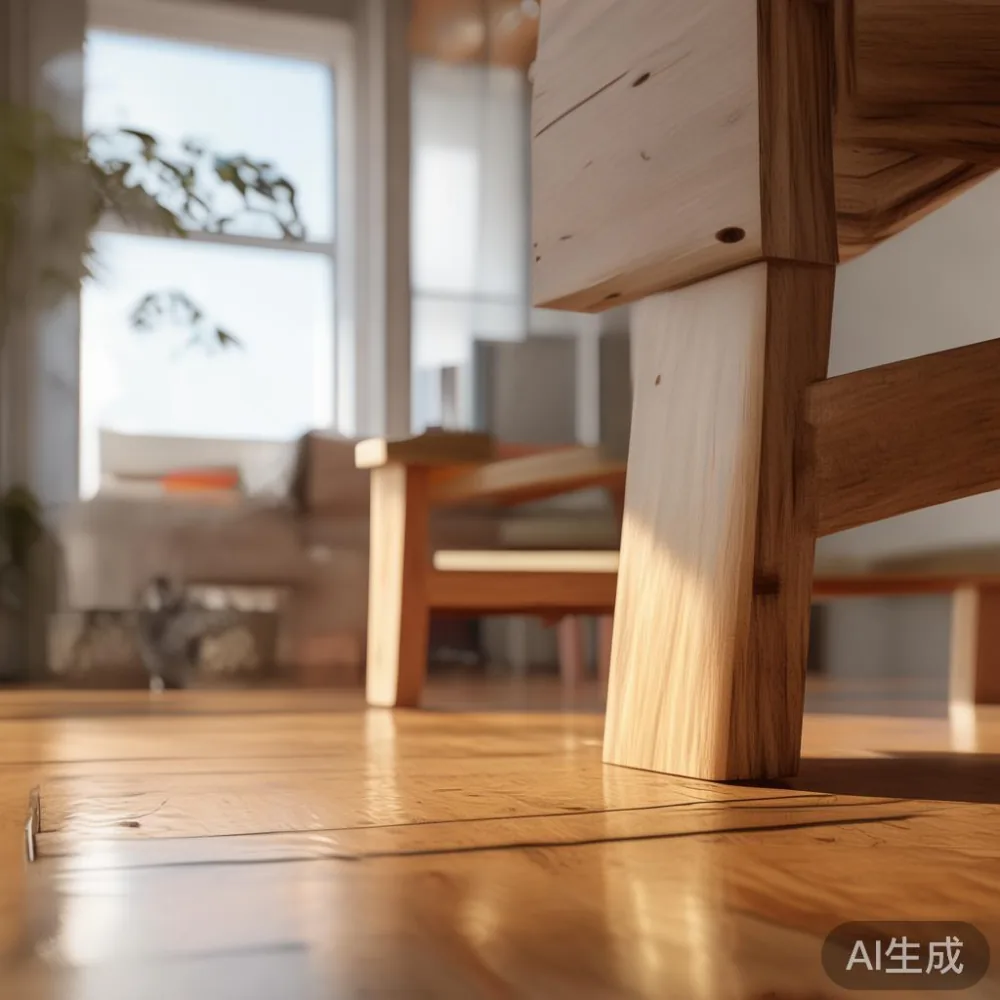
At its core, a solid wood bed frame is made from, well, solid wood. However, the type of wood is the first major price influencer. Solid wood is broadly categorized into hardwoods and softwoods. Hardwoods, like oak, walnut, and ash, come from deciduous trees and are denser, more durable, and more expensive. Softwoods, such as pine and cedar, come from coniferous trees, grow faster, and are generally more affordable but can be more susceptible to dents and scratches.
The origin and grade of the wood are critical. A North American white oak bed frame will command a higher price than one made from European pine. This is due to factors like growth rate, grain patterns, and the structural integrity of the wood. Furniture makers often use specific wood grades. 'Select' or 'Premium' grade wood has a uniform grain with few knots and imperfections, making it ideal for a high-end finish. 'Common' grade wood, which may have more knots and variations, is used for more rustic styles and is less costly. For a homeowner in a Tampines HDB, a solid pine bed frame might be a practical choice, while a homeowner in a Punggol condo might opt for a more premium oak or walnut piece for a sophisticated look.

The thickness of the wood is another hidden factor. A bed frame constructed from 3 cm thick solid slats will be significantly more solid and expensive than one using 1.5 cm thick veneered particleboard. This thickness directly impacts the furniture's lifespan and its ability to support weight without sagging or breaking over years of use.
The Invisible Craftsmanship: Joinery and Construction
How the wood is joined together is perhaps the most significant determinant of quality and price, and a key consideration when evaluating a return policy. High-end furniture relies on traditional joinery techniques, where pieces of wood are interlocked without the need for excessive screws or nails. These methods are labour-intensive and require skilled artisans, but they create incredibly strong and durable furniture.
Common high-quality joinery includes:
- Mortise and Tenon: A protruding tenon on one piece fits into a cavity (mortise) on another, often secured with a wooden dowel. This is a hallmark of sturdy bed frames and dining tables.
- Dovetail Joints: Used for drawer boxes, these interlocking wedge-shaped joints are incredibly strong and prevent the drawer from pulling apart.
- Butt Joints with Reinforcements: While a simple butt joint (two pieces meeting at a 90-degree angle) is weak, high-quality furniture will use corner blocks, dowels, or biscuits to reinforce it, adding to the cost and time of construction.
In contrast, cheaper furniture often relies on staples, nails, and screws to hold particleboard or MDF (Medium-Density Fiberboard) together. These fasteners can loosen over time, leading to structural failure. A well-made solid wood wardrobe with dovetail drawers will last for decades, whereas a flat-pack wardrobe with plastic cam locks might need replacing in 5-10 years. This difference in longevity is a core part of what you are paying for.
Why Does a French Provincial Accent Chair Cost So Much?
While the frame and construction form the foundation, the finish and design are what improves a piece from functional to beautiful. This is where style and artistry come into play, directly influencing the price. A simple, unadorned wooden nightstand will always be less expensive than one with intricate carvings, multiple finishes, or a marble top.
p>Consider the process of finishing. A high-quality finish involves multiple steps of sanding, staining, and sealing. Each coat must be applied and allowed to dry completely. This meticulous process ensures a smooth, durable surface that protects the wood from moisture and scratches. A hand-rubbed lacquer finish, for example, can take a week to apply and is a sign of premium craftsmanship. This level of detail is often associated with styles like French light luxury or American light luxury, where the aesthetic is paramount.
Design also plays a huge role. A design that is simple and minimalist might be faster to produce. However, a complex design, like the curved legs of a French provincial accent chair or the specific proportions of a mid-century modern sofa, requires more precise cutting and assembly. The cost of design, whether it's from an in-house team or licensed from a famous designer, is also factored into the final price. For example, a marble table with a sculpted brass-inlaid base will be significantly more expensive than a simple plank of wood on four legs due to the additional materials and labour required for the inlay.
What's the True Cost of Delivery and Assembly in Singapore?
In Singapore, the price you see online rarely reflects the total cost of getting the furniture into your home. Delivery, assembly, and even the physical dimensions of your space can add significant value (and cost) to a purchase. This is a critical part of the customer experience and a key feature of a good return policy.
First, there is the physical challenge. Singapore's HDB flats and condos, while well-designed, often have narrow corridors and lifts. A large wardrobe or a solid wood dining table must be manoeuvred through these spaces. This requires careful planning and skilled delivery personnel. Furniture companies must factor in the cost of specialised vehicles, insurance for transit, and a team of movers who know how to work through a Bedok HDB's lift width of 110 cm or a condo's tight corner turns.
Assembly is another hidden cost. A flat-pack dining table might seem affordable, but the time and effort required to assemble it correctly can be frustrating. High-end, solid wood furniture is often delivered fully assembled. This 'white-glove' service ensures the piece arrives in perfect condition and is set up correctly in your chosen room. This service adds to the price but saves the customer immense hassle. For instance, a colleague of mine recently purchased a large marble table for his new condo. The delivery team took 45 minutes just to carefully get it through the front door and position it in the dining area without scratching the floors. This level of service is a value-add that is built into the price of premium furniture.
Also, brands like MIDHILL offer free shipping for orders over SGD 350, which is a significant saving. A solid wood sofa might cost SGD 2,500, but a smaller nightstand might be SGD 180. The free shipping offer makes the larger purchase more attractive, effectively lowering the cost. A 14-day return policy also provides peace of mind, allowing you to test a piece in your home before committing fully.
Brand Value and the Long-Term Investment
Finally, the price is influenced by the brand behind the furniture. A company's reputation for quality, customer service, and ethical practices adds a layer of value that is reflected in the price. When you buy from a reputable brand, you are not just buying a piece of furniture; you are buying a promise of quality and support.
Consider warranties. A 10-year structural warranty is a powerful indicator of a brand's confidence in its products. This guarantee means the company stands by its joinery and construction for a decade, protecting your investment. A lifetime refinishing offer is another incredible benefit. Solid wood can be sanded and refinished multiple times to restore its original beauty, effectively allowing the piece to last for generations. A company offering this service is providing a long-term solution, not just a short-term product.
For example, finding for sale light luxury furniture that comes with such extensive warranties means you are paying for peace of mind. The price includes the cost of maintaining that quality over the long term. When shopping for a Modern light luxury for hotel project, the durability and easy maintenance provided by these warranties are non-negotiable factors that justify a higher price point. The same logic applies to a homeowner in Singapore. A European light luxury for small living room might be a significant upfront cost, but its durability and timeless design mean it will not need to be replaced, unlike a cheaper, fast-fashion piece.
Ultimately, the price of solid wood furniture is a reflection of its entire lifecycle. It includes the cost of raw materials, the skill of the artisan, the beauty of the design, the hassle of delivery and assembly, and the security of a long-term warranty. Understanding these factors helps you see beyond the initial price tag and recognize the true value of a well-made piece that will enhance your home for years to come.