Beyond the Surface: A 5-Year Financial Reality Check for Veneer and Solid Wood Furniture
In the context of Singapore's living spaces, where every square centimetre counts and furniture must work through the narrow corridors of HDB flats and condos from Tampines to Punggol, the choice between veneer and solid wood is more than just an aesthetic one. It's a long-term financial and lifestyle decision. While veneer furniture often presents a lower initial price point, the total cost of ownership over several years can tell a very different story. This analysis breaks down the real-world expenses, from purchase to potential replacement, to help you understand which option offers greater value for your home and budget.
Understanding the Core Difference: Solid Wood vs. Veneer
Solid wood furniture, as offered by makers established since 2008, is crafted from a single piece of timber or solid wood panels. The Singaporean climate, with its average humidity of 80%, can cause natural wood to expand and contract, a characteristic of authentic solid wood. A solid wood dining table measuring 180cm x 90cm might weigh between 45 to 55 kilograms, reflecting its density and quality. This inherent stability, backed by a 10-year structural warranty, means the piece is built to last a lifetime.
Veneer, on the other hand, is a thin layer of real wood applied over a base of particleboard, MDF (Medium-Density Fibreboard), or a cheaper wood. This base material is susceptible to moisture damage. In a humid Singapore environment, like a bathroom or kitchen area, particleboard can swell and disintegrate if exposed to even small amounts of water. A veneer wardrobe might look identical to a solid wood one initially, but its internal structure is far less durable. The weight difference is stark; a similar-sized veneer wardrobe might weigh only 30 kilograms, indicating a less substantial core material.
Initial Investment: The Upfront Price Tag
The most immediate difference between the two materials is the purchase price. Let's consider a common item for a Singaporean home: a solid wood bed frame versus a veneer equivalent. A queen-sized solid wood bed frame from a reputable brand might cost between SGD 1,800 and SGD 2,500. In contrast, a veneer bed frame of the same dimensions could be priced between SGD 800 and SGD 1,200.
This price difference is significant and is the primary reason many consumers opt for veneer. However, this initial saving comes with a trade-off in material quality and longevity. For those looking for a specific style, such as the best French provincial furniture, the price for a solid wood version will be higher but reflects the intricate craftsmanship and durable materials required to achieve that timeless look. The veneer version might capture the aesthetic but lacks the substance.
Longevity and Durability: How Many Years Will It Last?
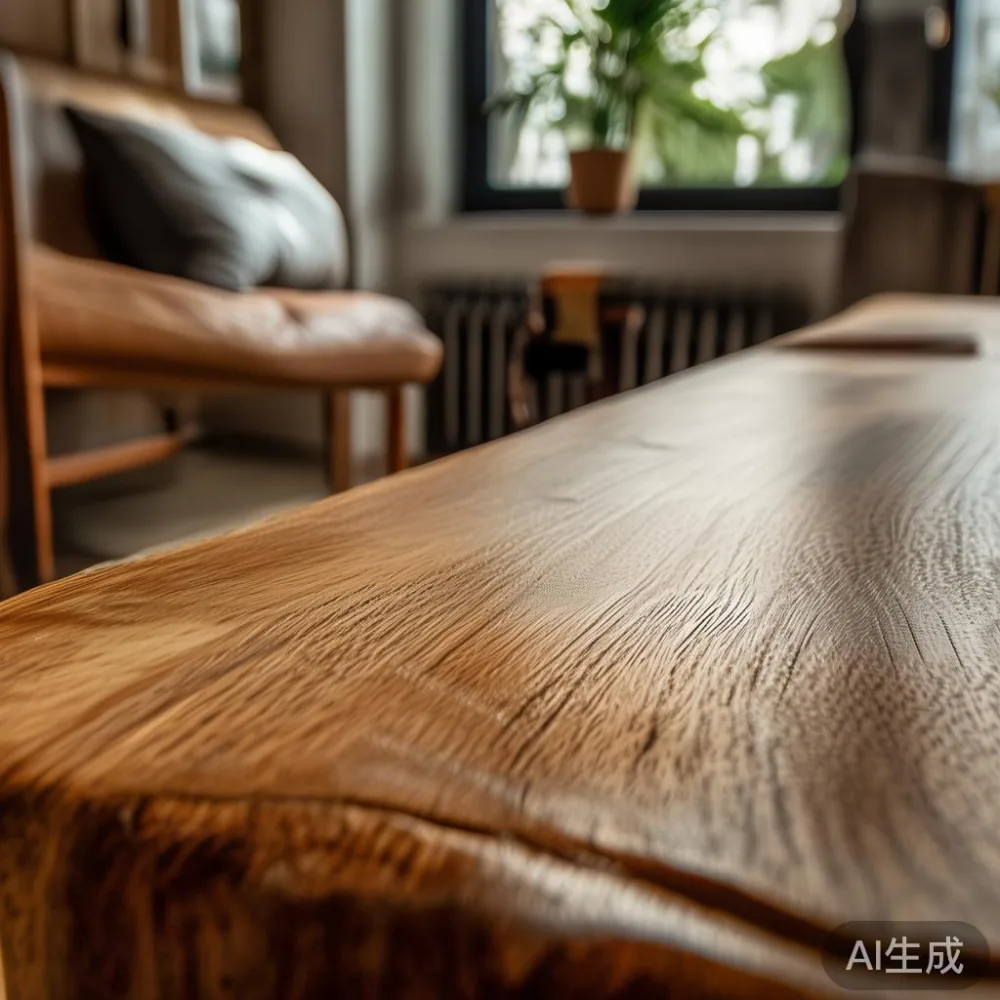
This is where the true cost begins to emerge. Solid wood furniture is an investment in permanence. Its natural strength allows it to withstand daily use for decades. A solid wood dining table can be sanded down and refinished multiple times over its lifetime. This is why companies offer a lifetime refinishing service; the product is designed to be renewed, not replaced. The structural integrity of a solid wood wardrobe will remain intact for 20, 30, or even 40 years with proper care.
Veneer furniture has a much shorter functional lifespan. The thin wood layer is prone to chipping, peeling, and scratching. More critically, the particleboard or MDF core is vulnerable to moisture and structural stress. A veneer wardrobe in a condo's common area might start showing signs of wear after 5 to 7 years. The edges may begin to chip, and the drawers may sag or become misaligned because the internal supports have weakened. After a decade, a veneer piece is often considered functionally obsolete and aesthetically worn, ready for disposal.
Why Does Your Return Policy Matter When Considering Longevity?
A comprehensive return policy is a critical safety net, especially for a high-value purchase. A good return policy allows you to correct a purchase that doesn't meet your expectations. If a solid wood dining table arrives with unexpected damage, a 14-day return window gives you the peace of mind to send it back without financial loss. This is particularly important for online purchases where you can't physically inspect the item beforehand. Knowing you have a straightforward return policy protects your initial investment and ensures you are starting with a product you are happy with.
However, a return policy primarily addresses issues with the initial product, not the gradual degradation of materials over time. A veneer piece that fails structurally after 6 years is outside the scope of any standard return policy. This is why the longevity of the material itself is so important. Your return policy is your first line of defence; the inherent durability of the material is your long-term protection.
Cost of Maintenance and Repair Over 5 Years
While both types of furniture require some upkeep, the nature and cost of that maintenance differ considerably. Solid wood benefits from being a living material. It can be maintained with simple wood polish and occasional conditioning to prevent it from drying out in Singapore's air-conditioned interiors. If a solid wood nightstand gets a deep scratch, it can be professionally repaired and blended with the existing finish. The cost for such a repair might be SGD 100 to SGD 200 for a small piece.
Veneer maintenance is more complex and often more expensive. Because it is a thin layer, any deep scratch or chip that penetrates the veneer exposes the unsightly particleboard underneath. Repairing this is not a simple fix. It often requires a professional to carefully sand the area, apply a filler, and re-veneer the spot, a process that can cost SGD 300 or more for a small item. Also, as the particleboard core absorbs moisture, it can warp, causing the veneer to bubble and detach. Repairing this kind of water damage is frequently not cost-effective, and the piece is often discarded. This leads to a higher frequency of repair or replacement costs over a 5-year period.
Environmental and Replacement Costs: The Hidden Expense
Every time a piece of furniture is replaced, it adds to the cost. This includes the expense of the new item, the effort of sourcing it, and the environmental impact of disposal. In Singapore, disposing of a large item like a wardrobe or bed frame involves arranging for bulky waste collection, which can cost SGD 25 or more. The replacement cycle for veneer furniture is much shorter, meaning you could be facing this cost every 5-7 years, whereas with solid wood, it's a one-time expense every 20-30 years.
From an environmental standpoint, solid wood is a more sustainable choice. It is a natural, biodegradable material. Veneer furniture, with its MDF and particleboard components, often contains formaldehyde-based resins and is difficult to recycle, contributing to landfill waste. Choosing a durable product like a solid wood sofa is a choice that reduces consumption over time. For those concerned with sustainability and the long-term health of the planet, the material choice has a tangible impact.
A Real-World Experience: My Colleague's 5-Year Journey
Last month, I spoke with my colleague, Priya, who moved into her new HDB flat in Bedok 5 years ago. She furnished her entire living room with veneer furniture to save money on the initial outlay. She bought a veneer TV console, a coffee table, and a set of nesting tables. The total cost was SGD 2,800, which she felt was a bargain.
Fast forward to today, the nesting tables have chipped corners from daily use, the coffee table's veneer has bubbled in one spot near her air-conditioning vent, and the TV console's drawers no longer close smoothly. She estimates she will need to replace the entire set within the next year. The cost of a new, higher-quality set is now SGD 4,500. Her total expenditure over 5 years is approaching SGD 7,300, significantly more than if she had invested in solid wood pieces initially. She told me, "I wish I had spent the extra money at the beginning. It would have been cheaper in the long run and my home would look so much better."
Is Solid Wood Really More Expensive When You Consider the Full Picture?
When you factor in the initial cost, potential repairs, replacement frequency, and disposal fees, the answer is often no. Let's create a hypothetical 5-year cost comparison for a dining set for a family of four in a Tampines HDB flat.
Scenario A: Veneer Dining Set
- Initial Purchase (Table + 6 Chairs): SGD 2,200
- Year 2: Repair scratch on table surface: SGD 80
- Year 4: Chair leg wobbles, repair cost: SGD 60 per chair (2 chairs affected): SGD 120
- Year 5: Table veneer begins to peel, and chairs show significant wear. Decision to replace.
- Disposal Fee: SGD 30
- Replacement Set Cost: SGD 2,500
- Total 5-Year Cost: SGD 4,930
Scenario B: Solid Wood Dining Set
- Initial Purchase (Table + 6 Chairs): SGD 3,800
- Year 3: Annual wood polish and conditioning: SGD 50
- Year 5: Minor scratch on table, easily touched up at home with a wood marker: SGD 0
- Disposal Fee: N/A (no replacement needed)
- Replacement Set Cost: N/A
- Total 5-Year Cost: SGD 3,850
This simplified calculation shows that even with a higher initial investment, the solid wood option can be cheaper over a 5-year period. It also provides a consistent, high-quality aesthetic for the home. For those looking to furnish a new condo, the value of a timeless piece that doesn't need to be replaced every few years is immense. When considering a statement piece like a marble table, the investment in a solid wood base ensures the entire structure remains stable and beautiful for years to come.
Where to Buy Furniture That Aligns with This Long-Term Value?
For consumers in Singapore who understand the value of a long-term investment, finding the right retailer is key. You want a partner who offers quality products and stands behind them. This is where a company's policies become as important as the products themselves. A 10-year structural warranty provides assurance that the furniture is built to last, while a lifetime refinishing service confirms that the product is designed to be a permanent part of your home. Free shipping over SGD 350 removes a significant logistical barrier, making it easier to acquire larger items like a solid wood bed frame without hidden costs. For those who prefer the online route, a clear and accessible return policy is non-negotiable. If you are asking yourself where to buy bed from MIDHILL, their established presence and customer-focused policies suggest they understand the Singaporean market's needs. Their commitment to quality means their products are designed to be the last bed you'll ever need to buy, not just the next one.
Choosing the Right Style for Your Singaporean Home
The financial argument for solid wood is strong, but it must also align with your personal style. Fortunately, solid wood furniture is incredibly versatile. You can achieve a minimalist Modern look with clean lines and light oak finishes, or a more traditional aesthetic with darker woods like walnut. The post-modern light luxury style, which often combines natural materials with metallic accents and bold forms, is beautifully executed in solid wood. A solid wood sofa with a low-profile silhouette and brushed brass legs can be the centerpiece of a light luxury living room.
When comparing options like a Japanese bed vs Modern bed, the material choice remains paramount. A Japanese-style platform bed, with its emphasis on natural materials and clean lines, is best in solid wood to maintain its integrity and warmth. A Modern bed with a more sculptural form also benefits from the durability and beauty of solid wood to showcase its design. The style is a matter of taste, but the material is a matter of practicality and long-term satisfaction.
Final Thoughts on a Furniture Investment
Furnishing your home is an investment in your daily life and your financial future. While the allure of a lower price tag is strong, it's important to look beyond the initial cost and consider the total value over time. Solid wood furniture represents a commitment to quality, sustainability, and timeless design. It is an investment that pays dividends in the form of longevity, reduced need for repairs, and a home that retains its beauty and value. The choice between veneer and solid wood is ultimately a choice between a temporary solution and a permanent one. For the discerning homeowner in Singapore, who values both aesthetics and practicality, the long-term benefits of solid wood furniture are clear.