Lacquered Furniture Care in Singapore’s Climate
Singapore’s warmth, humidity, rain, and strong indoor air-conditioning create a demanding environment for lacquered furniture. A lacquered solid wood sofa, bed frame, dining table, wardrobe, or nightstand can remain attractive for many years, but its finish still needs sensible care. Temperature swings, trapped moisture, cleaning chemicals, sunlight, and poor transport can affect the surface.
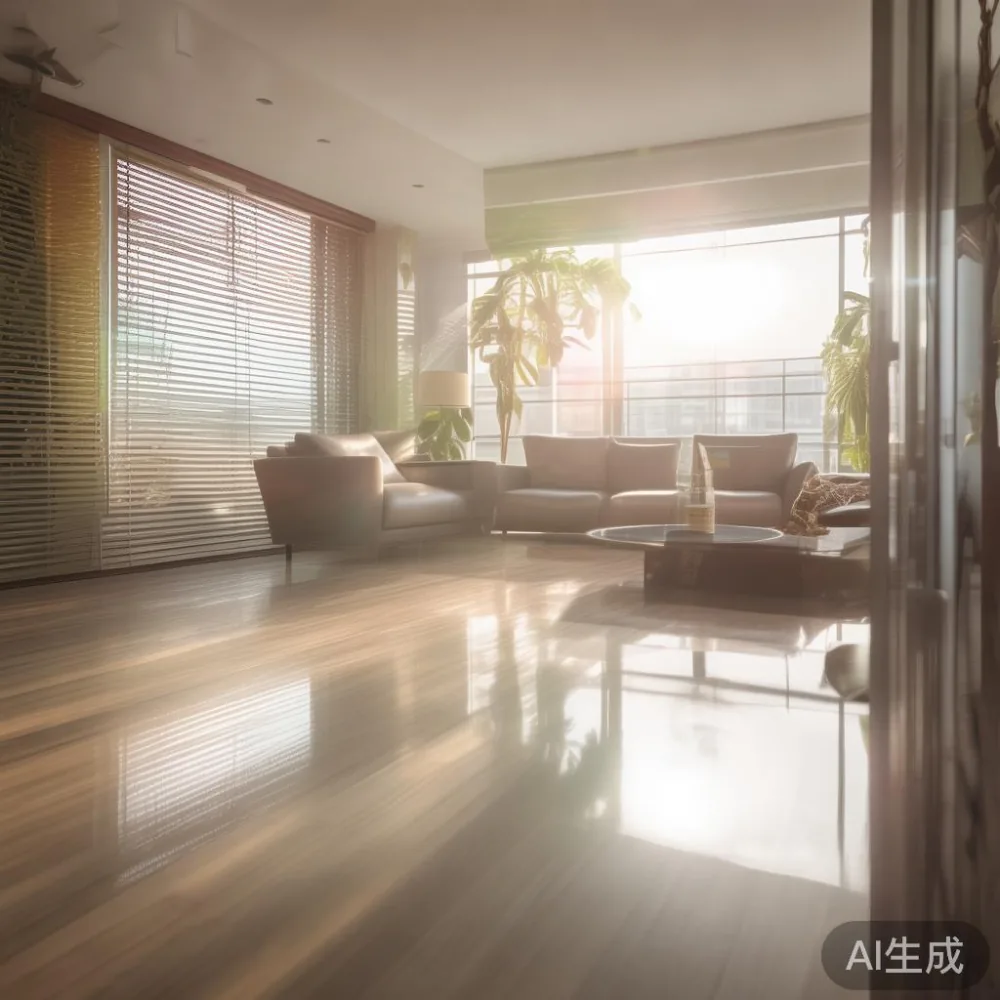
At MIDHILL, we build and export solid wood furniture from Foshan, with a 10-year structural warranty and lifetime refinishing support. This care guide focuses on lacquered surfaces in tropical conditions, including the constrained lift and corridor layouts common in Tampines, Bedok, and Punggol HDB flats and condos. It also explains how care relates to MIDHILL’s return policy for eligible unused items.
Why does lacquer need special care in Singapore?
Lacquer creates a decorative skin over wood. That skin is usually more vulnerable to heat, water, abrasion, and solvent-based cleaners than the timber beneath it. Singapore’s outdoor air may reach roughly 31–34°C during the day, with relative humidity commonly varying between about 65% and 90%. Indoors, air-conditioning may lower the temperature to 22–25°C. Repeated movement between those conditions can cause finishes and wooden panels to respond differently.
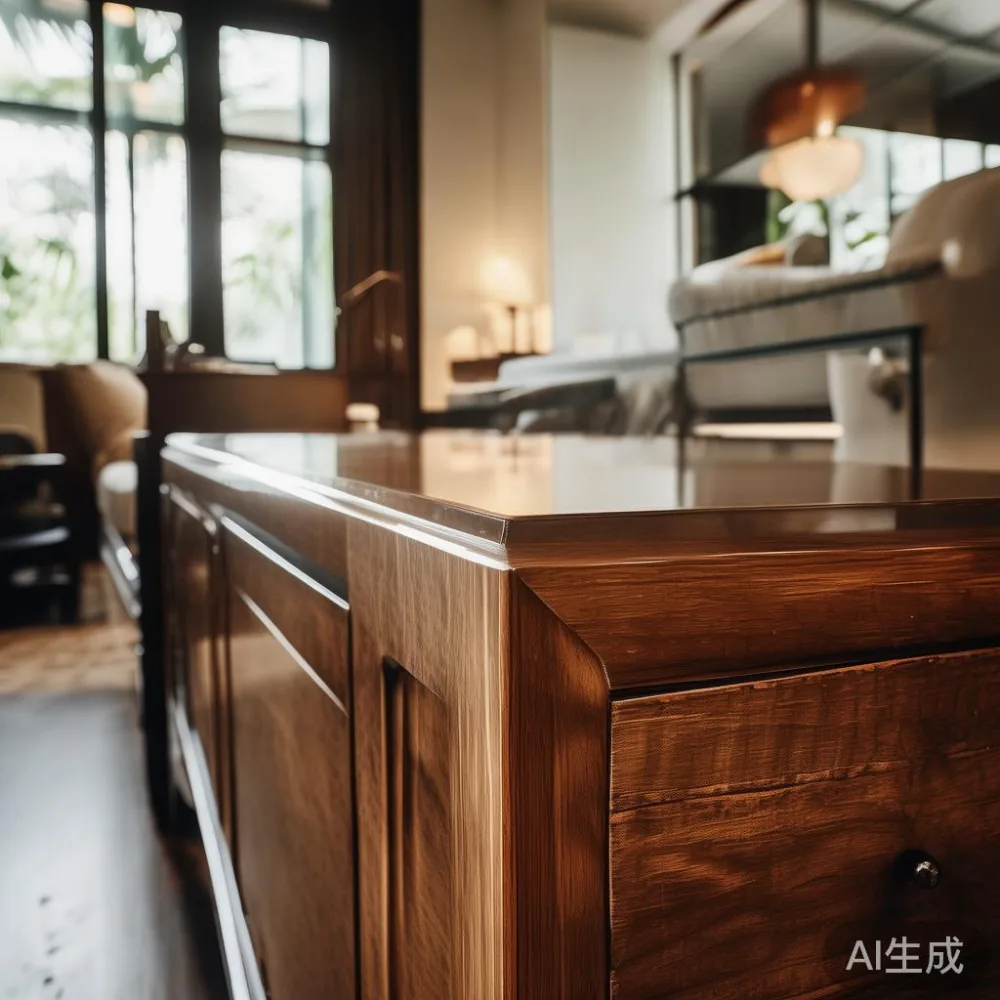
Keep the room reasonably stable without chasing a mythical perfect number. Around 21–27°C and 45–65% relative humidity is practical when the air-conditioner can maintain it. In a compact HDB flat, place furniture away from air-conditioning vents that blow directly across the finish. Allow about 30 cm between a wall and a tall wardrobe where possible, especially in a humid corner.
Condensation is another local concern. After returning from an air-conditioned lift or corridor, avoid immediately wiping furniture that may have cooled rapidly. Let the surface reach room temperature for at least 20 minutes before applying moisture. This simple waiting period reduces condensation on lacquer and glass-topped surfaces.
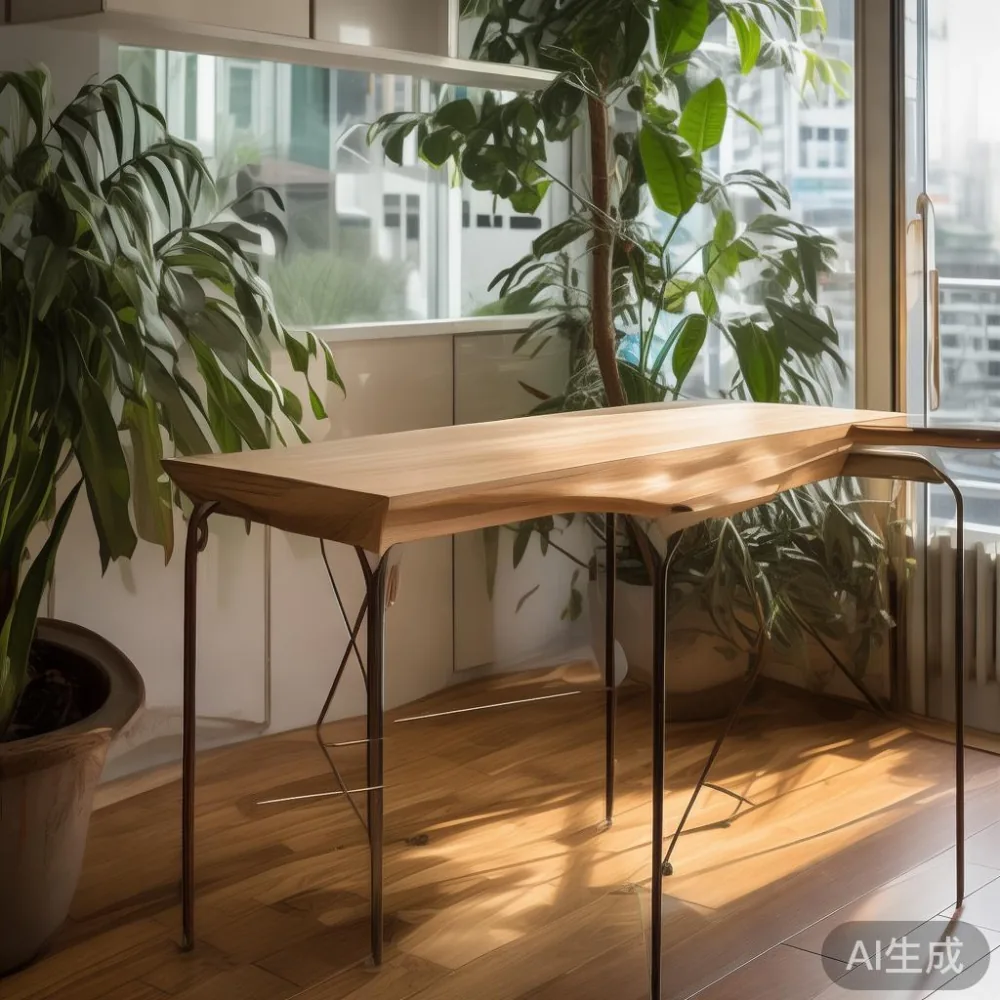
How often should I clean a lacquered dining table or marble table?
Dust a lacquered dining table or lacquered marble table once a week. Vacuum upholstered areas with a soft brush attachment every 7 days. In humid periods, wipe the top every 2–3 days with a clean microfibre cloth lightly dampened with water. Do not use a visibly wet cloth, and never spray cleaner directly onto lacquer.
For ordinary marks, use approximately 5 ml of mild pH-neutral dish soap in a 500 ml bowl of lukewarm water. Dip a clean microfibre cloth into the diluted solution, wring it until only a trace remains, and wipe in the direction of the grain. Follow with a second dry cloth. Test the method on a concealed area for at least 24 hours, particularly on dark or high-gloss finishes.
A lacquered marble table needs slightly more restraint because acidic liquids can damage some sealants and stone treatments. Do not use vinegar, lemon juice, acidic bathroom cleaners, or abrasive powders. Spills should be addressed within 5 minutes. Coasters and placemats reduce repeated exposure to rings from cups with a diameter of about 8–10 cm.
What can damage lacquer near HDB lifts and air-conditioned corridors?
Most indoor damage begins with ordinary habits rather than dramatic mishaps. Moving a wardrobe through a lift can create scratches if metal straps, door handles, or trolley corners touch the lacquer. Measure the item, lift car, landing, corridor, and turns before delivery. For planning, allow at least 5 cm clearance on each side of a large cabinet, though older HDB corridors and tight turns may require closer measurements.
Protect floors with a 3 mm protective pad beneath each caster and lift furniture only when its shipping weight is within the trolley’s capacity. A person should not push a loaded cabinet alone if it weighs more than about 35–40 kg. Team handling is safer for a heavy solid wood dining table or bed frame. Keep fingers away from door hinges, and lift from the base rather than pulling by a knob.
Do not park furniture against a corridor wall while waiting for delivery. Movement, grit, dampness, and trolley vibration can damage lacquer before the item reaches the home. MIDHILL provides delivery planning for qualifying orders, and free shipping applies above US$350, equivalent to approximately SGD460 at an illustrative exchange rate of 1 USD = SGD1.32. Because quotations are made in the applicable currency and GST treatment, confirm the final SGD amount before purchase.
Which cleaning products are safe for a lacquered wardrobe?
Use only a soft microfibre cloth, a clean cotton pad for local marks, and mild diluted soap. Paper towels can shed fibres, while green scouring pads may scratch a gloss finish. Avoid alcohol, acetone, nail-polish remover, paint thinner, degreaser, bleach, and “mild” multipurpose cleaners unless the lacquer manufacturer specifically permits them. Silicone and furniture-polish sprays can leave a difficult residue that makes future maintenance harder.
Apply polish sparingly and only if the product is approved for the exact lacquer type. Use no more than 3–5 drops on a 30 cm cloth for an area of about 0.5 square metres. Buff gently for 60–90 seconds. Over-polishing can create an oily surface that attracts dust, particularly in a humid flat near Bedok.
For a lacquered wardrobe, inspect the finish every 3 months under daylight and once a year under neutral indoor light. Look for whitening, stickiness, blistering, lifting at edges, or a change in sheen. Do not press on bubbles. Photograph the affected area with a ruler beside it and contact the supplier before applying solvent or filler.
Can sunlight fade lacquer in a Punggol or Tampines condo?
Yes. UV exposure can discolour both lacquer and the underlying timber. Keep furniture at least 1 metre from a south-facing window where curtains are absent, or use curtains with enough opacity to filter light while still allowing some daylight. UV film rated around 99% can offer additional protection, although curtains remain useful because they reduce heat as well as ultraviolet exposure.
Avoid placing a bed frame, nightstand, wardrobe, or dining table where direct afternoon sun can reach it for more than about 30 minutes a day. Furniture near a window may also experience rapid temperature changes. Close blinds during the brightest hours and maintain airflow around the piece. Do not use a household fan directly across wet cleaner residue, because rapid airflow can cause uneven drying.
Light-luxury design should not be confused with immunity from tropical conditions. French light luxury often uses pale woods, restrained profiles, and calm finishes; American light luxury can be broader and more relaxed; post-modern light luxury may combine clean curves with contrasting details. Whatever the style, the lacquer still needs the same measured maintenance routine.
How should I move a lacquered solid wood sofa without scratching it?
Before moving furniture, remove cushions, trays, loose accessories, and anything attached to the surface. Wrap finished sections in clean moving blankets, not adhesive tape. Secure the blankets with soft straps, keeping every buckle and buckle edge away from the lacquer. If a lift has a doorway of only 80–90 cm, measure the sofa’s packed orientation rather than assuming it will pivot like an image in a catalogue.
Use a furniture dolly rated above the item’s weight. A 3-seat solid wood sofa may weigh from 65 to 140 kg depending on its frame and suspension, so use at least 2 people and follow the published lifting instructions. Lift from underneath the frame, not from the armrests or backrest. Keep at least 10 cm of clearance above stair edges and below corridor fixtures where the route allows.
If you are comparing product styles, the phrase American sofa vs Modern sofa is common in design research, but appearance should be considered alongside route access and finish care. Likewise, American bed vs Italian light luxury bed concerns more than silhouette. Check the delivered dimensions before selecting a bed frame for a compact bedroom. A queen bed can measure about 152 × 203 cm in some designs, yet mattress overhang and bedside clearance still require 5–10 cm of planning space.
For bedroom shopping, European light luxury bed vs Japandi bed can be a useful comparison of proportions and material tone. The same care rules apply after delivery. For a practical small-space reference, Nordic for small living room usually means light visual weight, compact dimensions, and careful spacing, not disposable furniture.
What should I do if lacquer gets hot, wet, scratched, or stained?
For a hot mug, remove it immediately and cool the area gently with air or a room-temperature cloth. Do not place an ice cube directly on lacquer; thermal shock can create haze or cracking. If water has spilled, lift absorbent material rather than rubbing it across the surface. A coaster no larger than the spill can protect the finish temporarily.
For scratches, clean the area first and photograph the damage under indirect light. A hairline mark may respond to approved polishing, while a deep split, lift, or exposed wood requires professional assessment. Do not sand the whole panel yourself. Uneven pressure can flatten the surrounding sheen and make a small defect more visible.
For stains, identify the substance before acting. Water-based marks and some food residues may respond to mild soap; oil, paint, ink, and unknown chemicals require a lacquer-compatible product. Test any treatment on a 2 cm square hidden area for 48 hours. If the finish feels tacky, turns pale, or develops bubbles, stop and seek manufacturer guidance.
How does a return policy affect lacquered furniture?
A clear return policy gives buyers a defined route when an item is unused, undamaged, and still protected in its original packaging. Read the product listing before ordering, because display pieces, custom dimensions, installed doors, and delivered bulky furniture may have different return conditions. Confirm the request window, photograph the packaging, and keep all labels intact. Do not assemble or remove protective film unless the instructions allow it.
MIDHILL’s return policy is separate from care damage. Scratches caused during home use, moisture exposure, solvent cleaning, or unauthorised refinishing are not automatically treated as manufacturing defects. The 10-year structural warranty addresses qualifying structural issues, while lifetime refinishing means the brand will assess refinishing support for covered products rather than promising that every cosmetic mark can be repaired without charge.
Before accepting delivery, inspect the lacquer under daylight and with a phone camera. Check all sides, the underside, door edges, table corners, and any marble insert. If damage is visible, record it before the driver leaves where possible. If a return is accepted, follow the stated transport instructions. A wardrobe that cannot fit back through a lift or corridor may require professional repacking, and that responsibility should be explained in the purchase terms.
Can I care for lacquered furniture without losing its character?
Yes. Consistent, gentle care preserves the intended surface better than occasional aggressive cleaning. Use coasters, felt pads, stable humidity, filtered sunlight, and short weekly routines. Avoid leaving wet cloths on a solid wood bed frame or dining table overnight. Keep plants in saucers, use trays beneath indoor planters, and place a nightstand away from open bathroom doors where steam can reach it.
Think about the furniture as part of a lived-in room rather than a showroom object. A post-modern light luxury wardrobe can tolerate daily use if its doors are opened by handles and its base is kept dry. A marble table can remain practical with coasters and prompt spill removal. A lacquered solid wood sofa needs upholstery care as well: vacuum weekly, rotate cushions monthly, and blot spills rather than scrubbing.
MIDHILL’s Foshan furniture background is relevant because finish knowledge travels with the product from production to delivery. Ask for the exact lacquer and stone information, keep the care card with the receipt, and photograph the item on arrival. For solid wood furniture, solid wood sofa, bed frame, dining table, wardrobe, and nightstand examples, the same principle applies: measure first, move carefully, clean gently, and document any issue quickly.
What is the 30-day lacquer-care routine for a tropical home?
Every day, wipe accidental spills within 5 minutes and remove standing water from floors near furniture. Every week, vacuum or dust with a soft cloth. Every month, inspect moving parts, check for sunlight exposure, and clean accessible lacquered surfaces with diluted mild soap. Every 3 months, inspect a wardrobe or tall cabinet near a humid wall. Once a year, review the finish, hardware, room humidity, and any changes caused by air-conditioning or window light.
After delivery, allow the furniture to acclimatise for 24–72 hours before heavy use, especially if the item has moved between a cool corridor and a warm room. Keep delivery packaging away from wet floors for at least 24 hours. For bulky pieces, reserve a lift booking where required and measure the route before the delivery day. These habits reduce avoidable damage and make the furniture easier to live with.
Choosing lacquered furniture for a Singapore home is not only a question of style. It is a question of surface specification, room temperature, humidity control, cleaning discipline, and a return policy that is understood before delivery. With those details in place, a lacquered piece can retain its colour and texture through years of ordinary tropical living.