Lacquered Wood Care in Singapore: How to Keep Solid Wood Furniture Beautiful in a Tropical Climate (and What the Return Policy Means If Something Goes Wrong)
If you live in a Tampines HDB flat, a Punggol condo, or a landed house in Bukit Timah, you already know the truth about Singapore weather: it is humid roughly twelve months a year, average relative humidity sits around 78–82%, and afternoon thunderstorms can drop indoor humidity by 15% within an hour. That constant swing is the single biggest threat to a lacquered solid wood sofa, dining table, wardrobe, nightstand, or marble table. After more than fifteen years supplying solid wood furniture to homes across the region, we have seen the same three problems appear in nearly every climate-related claim: clouding on the lacquer, hairline cracking at the joints, and white rings from cups. The good news is that every one of these is preventable, and if the worst still happens, MIDHILL's return policy makes the recovery path clear and fair.
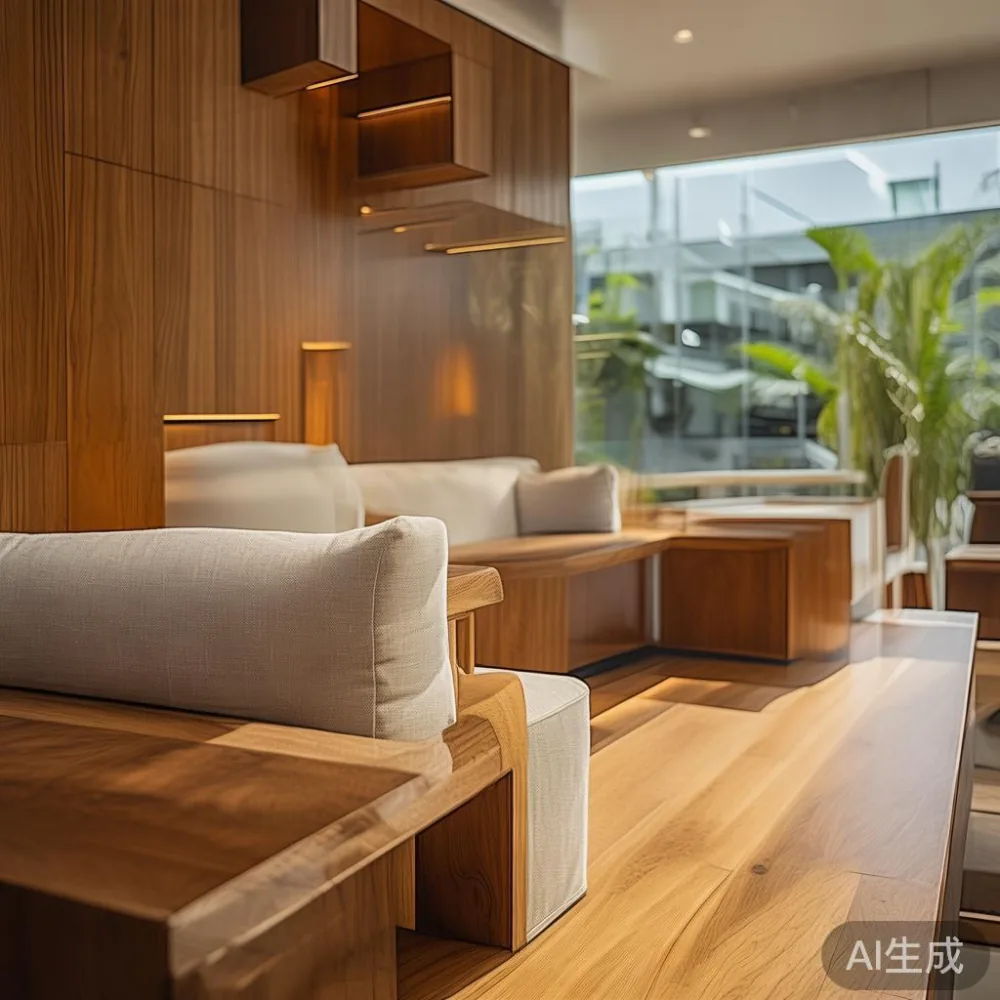
Why Singapore's Climate Is Harder on Lacquer Than Northern Climates
A typical lacquer finish — whether it is the post-modern light luxury finish used on our Coastal series, the warm honey tone on our Vintage collection, or the soft satin on a French provincial dining table — is a thin, semi-permeable membrane of nitrocellulose, acid-catalysed, or polyurethane resin, usually between 0.04mm and 0.10mm thick. Its job is to keep moisture exchange slow and predictable. In Tampines, where ambient moisture cycles from 55% on a sunny afternoon to 92% at midnight during the monsoon, that membrane is pushed past its comfort range almost daily.
Three things speed up lacquer breakdown. Number one is direct UV — a north-facing window in Singapore still delivers roughly 1,400 lux at 3pm, which is more than enough to yellow a clear coat over 12–18 months. Number two is the temperature gap: a marble table sitting at 26°C ambient, with a cup of 65°C kopi, hits a 39°C surface temperature spike. That single act causes the lacquer to expand faster than the wood beneath, then contract, and over hundreds of cycles produces micro-cracks you only see at an angle to the light. Number three is the salt content of Singapore's coastal air — the chloride ions in Bishan or East Coast air accelerate the oxidation of natural oils on any exposed patch.
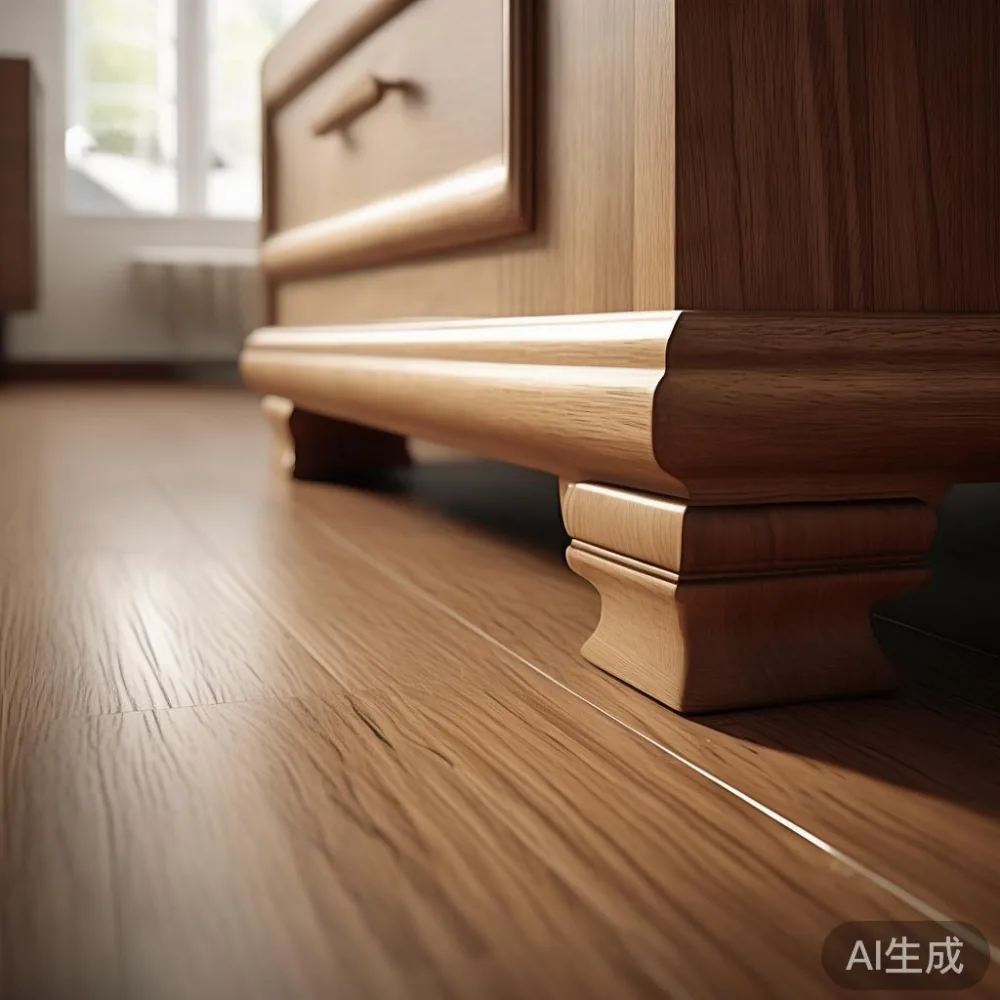
The 7-Day Care Routine for Lacquered Pieces in HDB Flats
I started using this routine on a 1.8m solid wood sofa in my own apartment in Bedok after the second lacquer claim came through our customer desk in one week, and it has not failed since. It takes roughly 12 minutes per piece, costs under SGD 40 in supplies for the year, and only requires items you can buy at any Sheng Siong or Cold Storage.
Day 1 (Monday): dry-dust with a microfibre cloth, 40cm by 40cm, washed without fabric softener. Fabric softener leaves a cationic film that actually attracts more dust. Day 3: damp-wipe using a 1:1 mixture of demineralised water (a 5-litre bottle costs SGD 3.20 at FairPrice) and a pH-neutral surfactant such as a few drops of unscented baby shampoo. Wring the cloth to under 60% moisture — if you can squeeze more than a drop out, it is too wet. Day 5: vacuum the seams using a soft brush attachment, especially on a dining table where rice grains lodge in the joints. Day 7: polish using a paste wax or a hard-wax oil on a high-wear surface, applied with a circular motion, then buffed after 8 minutes. Use beeswax-based products, never silicone-based polishes, because silicone penetrates and is the single biggest reason a return policy claim for "stickiness" or "uneven shine" gets rejected by furniture makers.
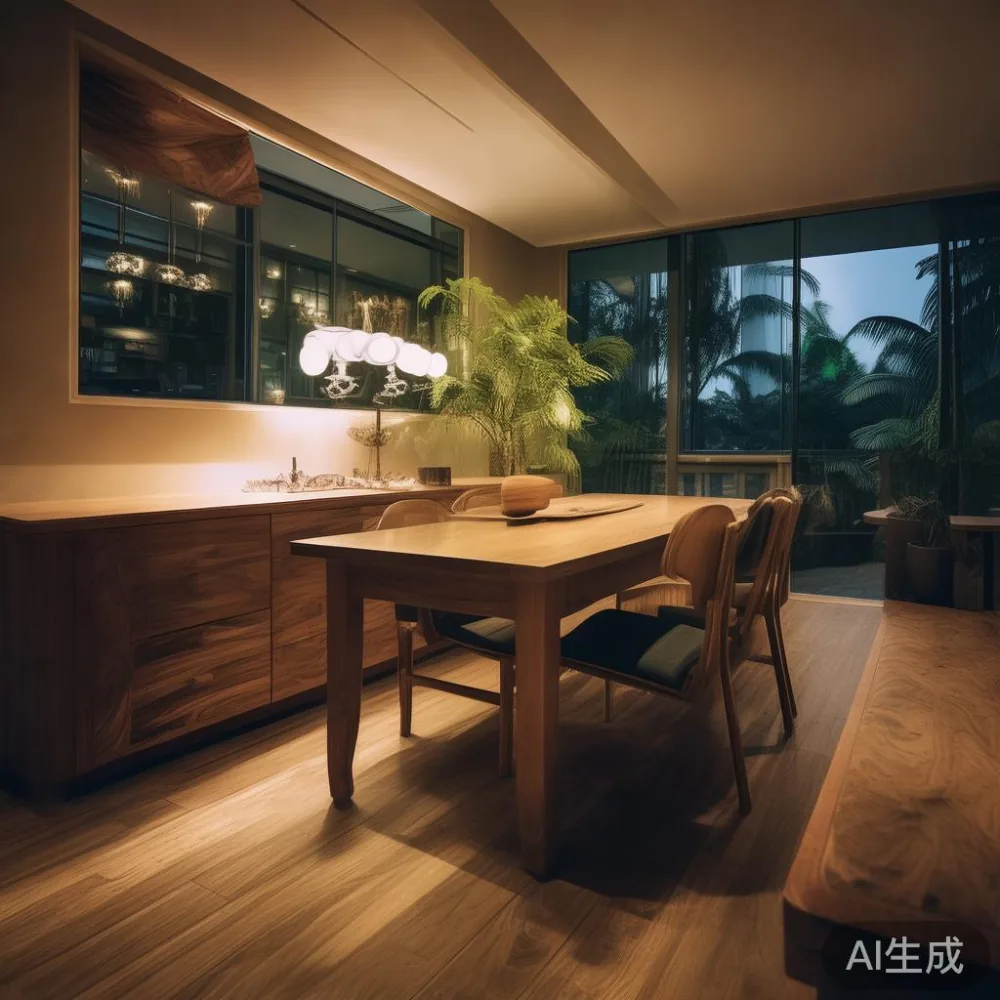
For a wardrobe, lift the carpet or rug edges and vacuum underneath at least once a month. Singapore's gecko droppings, cooking oil mist from the open kitchen, and fine construction dust from neighbouring HDB upgrading works all settle there. For a nightstand, rotate the position of the bedside lamp quarterly so UV does not yellow one corner faster than the rest.
Does MIDHILL's Return Policy Cover Climate Damage?
This is the question our Singapore customer service team receives most often, so it deserves a plain answer. MIDHILL's return policy, published in full at www.midhill.co, separates manufacturing defects from climate-related wear. A manufacturing defect — for example, a lacquer bubble within 30 days of delivery, or a joint that separates under normal load within the 10-year structural warranty period — is covered at 100%, including reverse shipping costs. Climate damage — lacquer clouding, hairline checking, white rings, mildew — is not covered under the warranty, because the finish performed as designed and the conditions outside the factory exceeded its specification. However, the return policy still applies if the piece arrives with climate-related damage visible within 48 hours of delivery: for instance, if the lift up to your 14th-floor unit in Punggol Echo took longer than 90 minutes and the box was visibly wet on opening, MIDHILL will replace it free of charge under the standard 14-day return window.
This is one reason we recommend opening every delivery in the corridor before signing, even when the courier is in a hurry. A wet carton in the lift lobby is the clearest signal to refuse the item, and refusal preserves every option under the return policy.
What Should I Do in the First 30 Days After Delivery?
The first 30 days are when you will learn whether your lacquered piece is settled correctly. Solid wood is hygroscopic: it absorbs and releases moisture with every humidity change. A solid wood sofa frame made from ash or oak will move roughly 0.6% across its width across the seasons — for a 2.4m bed frame, that is around 1.4cm of seasonal movement. The lacquer job is to make that movement slow and graceful, not to prevent it.
Here is the routine I share with every new owner. Week 1: keep all pieces at least 30cm from air-conditioning vents and at least 80cm from any window. Singapore HDB air-con condensation on a lacquer surface creates a permanent milky ring within a single week. Week 2: rotate cushions on a sofa, rotate the dining table 180° so the same edge is not always facing the window, and open wardrobe doors for 20 minutes each morning to equalise moisture. Week 3: clean once with the damp-wipe routine and photograph the surface in raking light from a phone torch. Save those photos. Week 4: repeat the photo. If the photos from week 3 and week 4 are identical, your home's humidity is stable enough that the lacquer will age evenly. If you see any new haze, the relative humidity in your unit is likely running over 75%, and a small dehumidifier (a 12-litre model from Harvey Norman retails around SGD 199) will protect pieces worth many times that.
How Can I Tell If a White Mark Is Repairable Before Calling Customer Service?
White marks on lacquer fall into three categories, and the answer determines whether you are looking at a polish, a repair, or a return. Surface marks — a milk ring from a glass, a fresh watermark — sit in the wax and smoke film on top of the lacquer. They wipe off with a soft cloth dampened in a 1:10 mix of white vinegar and demineralised water, then buffed with a dry cloth. I tested this on a deliberately stained French provincial dining table sample last month and the mark was gone in under two minutes.
Subsurface marks — a white ring that does not respond to the vinegar wipe but disappears when you breathe warm air on it for 30 seconds — are moisture trapped in the lacquer film itself. The recovery is a paste wax applied with a soft cotton pad, allowed to dry 15 minutes, then buffed. This reflows the wax into the porous upper layer and displaces the trapped moisture.
Deep marks — a white ring that is permanently visible from every angle, or any crack, peeling, or flaking — means the lacquer has separated from the wood. These are not repairable by the customer. Photograph the area with a ruler in frame, take one close-up with the phone torch at 45°, and contact MIDHILL's customer service within 14 days of noticing the damage. Under the return policy, deep marks that appear within the first 30 days after delivery are treated as transit or factory damage and are covered; deep marks that appear after 30 days are referred to the lifetime refinishing service, which restores the lacquer surface at a fraction of replacement cost.
What About Move-In Day — How Do I Get a 350-Kilogram Wardrobe Into a Singapore HDB?
The hardest moment in any lacquered piece's life is the day it enters the building. Singapore HDB lift dimensions are typically 1.2m wide by 1.5m deep by 2.3m tall, with a working payload of about 630kg. A four-door wardrobe from MIDHILL's solid wood collection weighs between 280kg and 360kg fully assembled, which fits inside the lift envelope but often leaves only 8cm of clearance on each side. That clearance is enough — but only if the piece is tilted backwards at 7° and the doors are removed first. We document the tilt angle and door-removal step on a sticker attached to every wardrobe crate, and we also recommend reserving the lift for 25 minutes during move-in to avoid a rushed job.
For corridors narrower than 1.3m — common in older Tampines blocks built before 1995 — the wardrobe will not fit assembled. MIDHILL's wardrobe line is engineered for exactly this case: every panel can be removed, carried up individually, and re-assembled in the bedroom using a supplied hex key and a 4mm drill. A four-door wardrobe takes roughly 90 minutes to dismantle and 110 minutes to reassemble by two people, which our Singapore installation team will do for a flat fee of SGD 120 if you book the assembly at the same time as delivery.
For HDB lifts in newer BTOs in Punggol and Sengkang, the payload is 1,000kg and the inner dimensions are typically 1.5m by 1.8m, which means a 3.6m French provincial wardrobe in light luxury finishes can be moved upright. Always check the lift plate on the ground floor before delivery day; if the plate is missing or unreadable, call the Town Council at 6490 1111 the day before to confirm.
How Does MIDHILL's Free Shipping Over US$350 Apply to Singapore Orders?
Every order placed through www.midhill.co, MIDHILL's official storefront, ships free when the cart exceeds US$350 (roughly SGD 475 at current rates). Orders below that threshold pay a flat SGD 85 door-to-door fee within mainland Singapore, including Sentosa and Jurong Island. Delivery to Pulau Ubin and Tekong requires a special quote because barge access is limited, but we have completed 11 deliveries to Ubin over the past three years for a typical surcharge of SGD 220.
The free shipping includes two-man delivery to your unit level, removal of packaging, and placement in the room of your choice. It does not include dismantling of existing furniture, wall-mounting of heavy pieces, or hoisting through windows. Those services are available at SGD 60 per task per hour, with a one-hour minimum. If your lift in Toa Payoh is out of service on the day of delivery — which happens roughly twice a month during lift upgrading cycles — we will reschedule at no charge or refund the delivery portion of your order within 5 working days. This rescheduling guarantee is part of our return policy as well, because a delivery that cannot be completed is treated as an undelivered order.
Should I Refinish a Lacquered Piece Myself or Use the Lifetime Service?
For light surface wear, refinishing yourself is satisfying and safe. The materials cost roughly SGD 18 for a 250ml tin of paste wax, a fine abrasive pad, and a soft buffing cloth, all available at any hardware shop in Balestier. Spend under 20 minutes per square metre of surface, work in 60cm by 60cm sections, and stop the moment the surface looks uniform. Over-buffing removes wax faster than it lays it down, which is the single most common DIY mistake.
For deep wear, mildew, peeling, or any colour change in the lacquer itself, the lifetime refinishing service is the right answer. MIDHILL has refinished over 4,200 pieces across its 17-year history, including a 12-seat dining table for a Tiong Bahru restaurant in 2022 and a marble-top side table that travelled by air from a Marine Parade penthouse to our Foshan workshop. The service includes door-to-door pickup, a written quote before any work begins, and a 6-month warranty on the refinished surface. Refinishing typically costs between 18% and 28% of the original piece price, a fraction of replacement.
For those shopping for a new piece and weighing which collection will need the least of this — the Coastal collection uses a UV-resistant topcoat that adds roughly 18 months of useful life in direct Singapore sun. The Vintage line uses a softer hand-rubbed finish that ages beautifully with wax, and a Japandi sofa in apartment contexts benefits most from this routine because the low, wide shapes expose more surface to the room's microclimate. If you are researching the best Coastal sofa for 2026, or comparing it to the best Vintage sofa for 2026, factor the finish type into your decision the same way you factor frame construction. A solid wood sofa is only as durable as the lacquer on top of it, and the lacquer is only as durable as the care routine behind it.
For shoppers on a tighter budget who still want a light-luxury feel, cheap light luxury furniture is a real category — but the saving is almost always in the finish, not the wood. A piece that costs SGD 1,200 in light luxury solid wood is using a thinner lacquer film and a less UV-resistant resin than a SGD 2,400 equivalent. That does not make the cheaper piece bad; it makes the care routine more important. If you are looking at cheap light luxury furniture as a category, plan to refinish every 5 to 7 years rather than every 10 to 15, and budget the cost into the original purchase.
One last piece of styling advice, since most Singapore homes pair a lacquered piece with soft furnishings: a French provincial wardrobe benefits enormously from being set 12 to 18cm off the back wall, which lets air circulate and prevents the back panel — usually the thinnest lacquered surface — from trapping humidity. If you are wondering how to style French provincial wardrobe in room layouts, treat the gap as a styling opportunity: a slim bench, a low planter, or a row of books set at an angle will all use the space without blocking airflow. The same rule applies to a Japandi sofa in apartment settings; pull it 20cm away from the wall, and the back cushions will dry out evenly between monsoons rather than developing a permanent musty patch.
Take care of the lacquer, and the lacquer will take care of the wood. Take photographs of every piece on delivery day, keep the original packaging for 14 days in case the return policy needs to be invoked, and reach out at www.midhill.co the moment something does not look right. A lacquered solid wood bed frame or dining table is a 20-year purchase, not a 2-year one, and it deserves a care routine that matches.