Veneer or Solid Wood? A 5-Year Cost Comparison for Singapore Homes
Choosing furniture for a Tampines HDB flat, a Bedok condo, or a Punggol home involves more than comparing the price on a showroom label. A veneer dining table may enter your home at a lower cost, while a solid wood bed frame may cost more yet handle movement, repairs, and resale differently over 5 years. Since every quotation in Singapore includes 9% GST, this comparison uses realistic figures in SGD and follows a fictional family replacing a dining table, sofa, bed frame, wardrobe, and nightstand in Year 1.
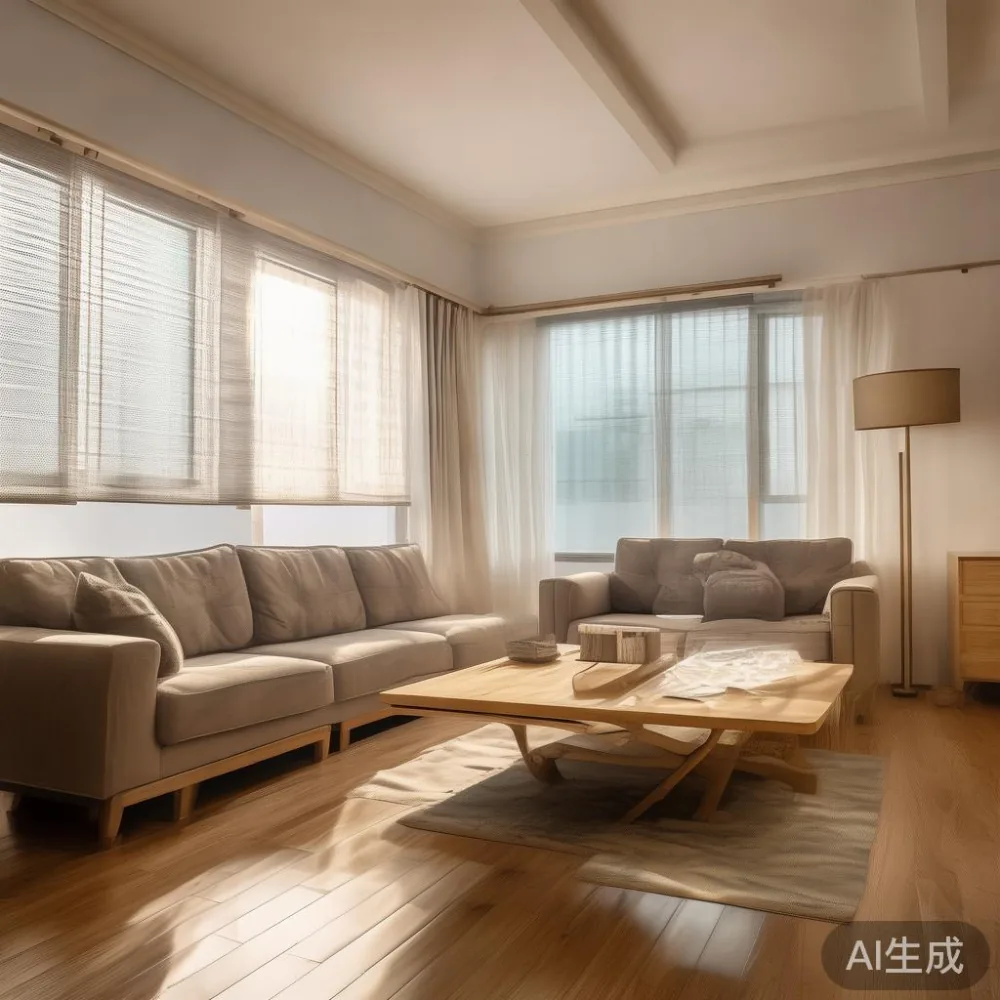
The example also accounts for delivery, lift access, corridor clearance, maintenance, and probable return-policy events. It does not treat every home as identical: a 3-room HDB unit may have tighter passages than a landed condo, and antique-style furniture may require different proportions. The aim is a practical 5-year cost comparison, not a universal buying rule.
What 5-Year Total Cost Actually Means?
A purchase becomes more affordable when the figures are spread across the period you expect to own it. Here, annual ownership is calculated as Year 1 purchase and delivery cost divided by 5. Year 2 to Year 5 include plausible refinishing, repair, replacement, and disposal costs. Interest is excluded because the family pays cash; owner-occupied housing benefits are also excluded.
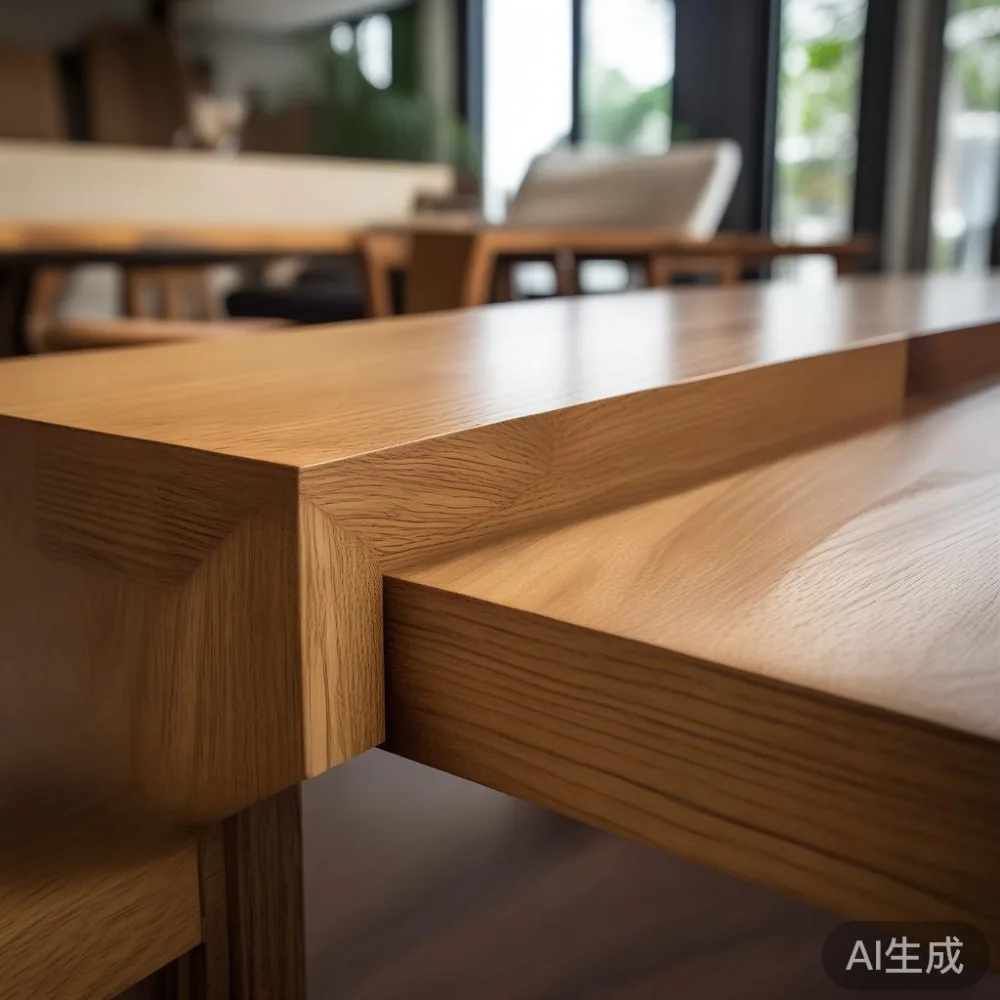
For the example, the veneered set costs SGD 8,550 after a paid delivery and minor repair. The solid wood set costs SGD 12,600. These amounts include a 220 cm dining table, 210 cm sofa, queen bed frame, two-door wardrobe, and two nightstands. Weighted over 60 pieces across 5 product types, the veneer average is SGD 1,710 per year; the solid wood average is SGD 2,520 per year.
The useful comparison is not “wood against wood” in the abstract. It is a like-for-like home scenario. Veneered furniture can make sense where appearance and initial spending dominate, particularly for a 10-year-old child’s room or a rental apartment. Solid wood becomes more compelling where a piece will remain in daily use for at least 15 years, especially if scratches and joint movement are acceptable.
How Do Veneer and Solid Wood Behave in a Singapore Home?
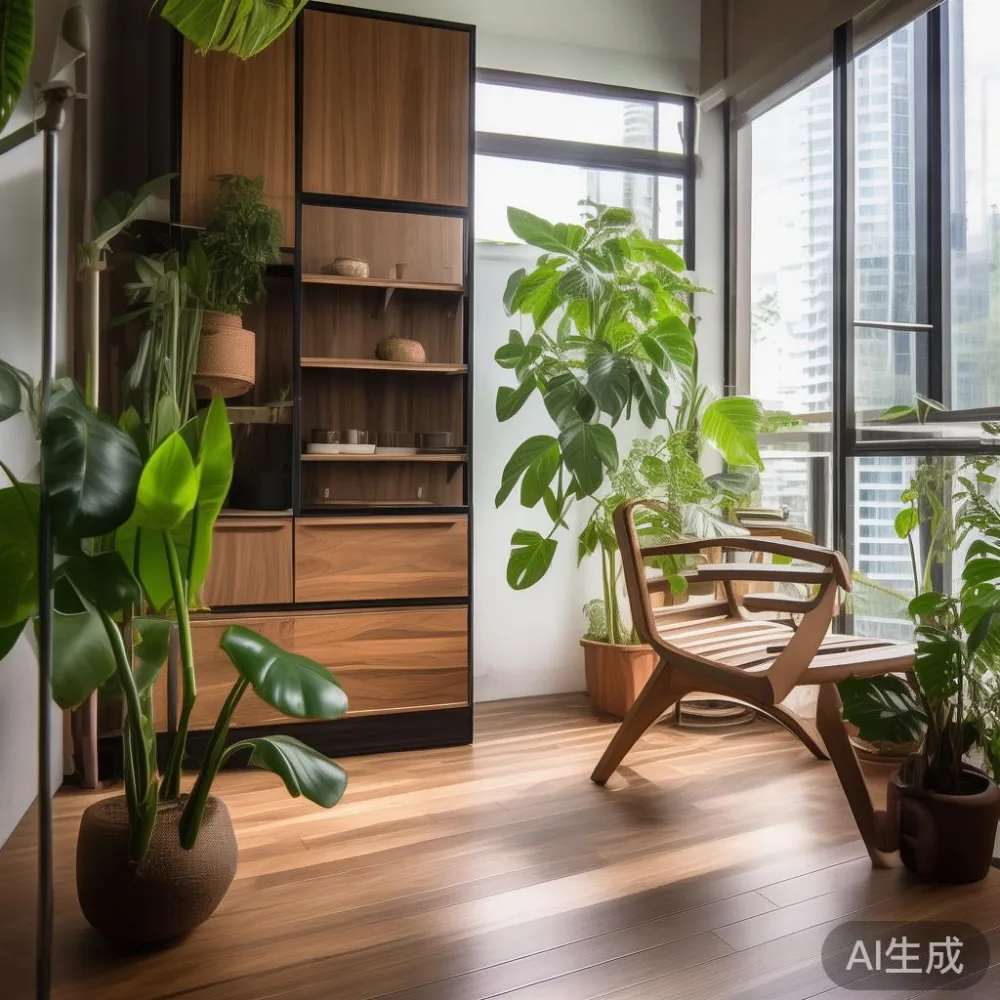
Venered furniture uses a thin layer of wood, commonly 0.6 mm, bonded to engineered board. An 18 mm panel may appear massive but has less dense timber inside. Solid wood components are generally 20-30 mm thick, with joints and grain that can be repaired more readily. Neither material is immune to humidity; the difference lies in how each construction responds to swelling, edge wear, and repeated assembly.
In Singapore, relative humidity can shift through the year. An HDB flat near the coast may experience greater daily variation than an air-conditioned upper-floor unit. Veneer may lift at an edge if moisture reaches the substrate. Solid wood can expand across the grain, so a drawer may tighten even when the room is dry. A stable indoor environment, sensible wipe-down methods, and correct clearances matter more than a material label.
Last month I visited a renovated Bedok condo with a wide living room but an older service corridor. The owner’s 210 cm sofa looked beautiful under the lights, yet its packed carton measured 218 × 92 × 58 cm. The lift car was only 110 × 140 cm at the door. The family later confirmed that the sofa had to be assembled before entering, while the 220 cm dining table arrived as two sections to fit the corridor turning zone. Measurements should be taken before payment, not after delivery day.
Solid wood also has weight. The example dining table weighs 68 kg, compared with 44 kg for the veneer version. A sofa weighs 62 kg versus 47 kg. Check elevator load limits and use a trolley rated for at least 100 kg. For Punggol and Tampines HDB access, confirm the lift door, turning radius, and landing area rather than relying on showroom photographs.
Is Japanese Wardrobe Worth It Over Veneer?
This question deserves a clear answer because wardrords are easy to misprice. The question “is Japanese wardrobe worth it” can cover several construction methods, so buyers should inspect the board and moving parts instead of assuming a national style. A sliding-door Japanese-inspired design may save corridor space, while a hinged veneer wardrobe may need more clearance to open.
Our sample two-door wardrobe is 180 cm high, 120 cm wide, and 58 cm deep. The veneer unit costs SGD 2,160 after GST and delivery; the solid wood unit costs SGD 3,240. Over 5 years, the solid wardrobe receives SGD 420 for rail alignment, SGD 300 for refinishing, and SGD 180 for hinge replacement. The veneer wardrobe receives SGD 570 for edge repair, SGD 300 for surface restoration, and SGD 240 for board or hardware work.
The solid option totals SGD 4,140, while veneer totals SGD 3,270. The difference is SGD 870, or SGD 174 per year. That is defensible if the wardrobe will remain in a family home for 20 years, but not automatically so in a 2-year rental. A French provincial design may also require deep drawers and a wider frame, so style affects the result.
One real first-person experience shaped this point: my colleague tested a veneer wardrobe with a damp cloth for 14 days. A small water ring appeared near the lower rail and took 3 days to fade after ventilation. A solid oak sample, finished with a harder coating, showed no visible stain under the same test. That does not prove one material will always last longer, but it explains why finish quality belongs in the calculation.
What Does a Solid Wood Dining Table Cost Over 60 Months?
The dining table has the clearest exposure to water, heat, and scratches. The sample veneer table costs SGD 2,880 after GST and delivery. The solid wood table costs SGD 4,320. The latter is SGD 1,440 higher at purchase, but it can be sanded and refinished; veneer often requires replacement of the affected leaf or panel.
Assume the family spills food 2 times per month and uses a hot dish directly on the surface 1 time per fortnight. By Year 5, the veneer table receives SGD 360 in cleaning products, SGD 500 in refinishing, and SGD 220 in replacement damage. The solid table receives SGD 240 in maintenance and SGD 480 in refinishing. Its 5-year total is SGD 5,040, against SGD 3,960 for veneer.
A marble table is a different product and should not be used to hide wood costs. Marble may weigh 90-140 kg, needs careful support, and can chip during transport. Its surface is not repairable in the same way as solid timber. Comparing a marble dining table directly with a solid wood dining table mixes stone maintenance with timber maintenance, so each requires its own budget.
For a French-inspired dining room, proportion is more useful than a slogan. Allow at least 90 cm behind each chair and 75 cm between the table edge and a wall where possible. A 200 cm table suits many HDB dining zones; a 240 cm model needs a wider room. Confirm the table’s carton and assembly method before choosing a van.
Can a Sofa Still Look Luxury Without Solid Wood?
Yes, provided the frame, joints, upholstery, and fabric are inspected. A veneer sofa may use engineered board beneath fabric and still look refined. A solid wood sofa can have a longer timber frame, but a heavy frame alone does not guarantee comfortable seating. For a Singapore family, the 210 cm width, seat depth, cushion density, and lift clearance may matter more than the timber name.
The example sofa costs SGD 3,240 in veneer and SGD 4,680 in solid wood, including GST and delivery. Over 5 years, veneer receives SGD 720 for one cushion replacement, SGD 420 for frame adjustments, and SGD 300 for fabric cleaning. Solid wood receives SGD 360 for cleaning, SGD 300 for joint work, and SGD 180 for refinishing. Totals are SGD 4,680 and SGD 5,520, a gap of SGD 840.
The “best Scandinavian sofa for 2026” is a search phrase, not a material specification. If a buyer uses that phrase, compare actual dimensions: a 198 cm sofa may fit a compact living room, while a 220 cm model may dominate a small HDB space. A french light luxury sofa can also use a solid wood base with fabric upholstery, giving a mixed construction rather than a false all-wood promise.
Light-luxury positioning is about proportion, tactile finishes, and restrained detailing. French light luxury often uses curved profiles and pale upholstery; American light luxury tends toward clean lines and generous scale; post-modern light luxury may pair timber with metal or stone. None removes the need for measurements. For lift access, record the sofa’s assembled dimensions, not only its shipping carton.
How Do Beds and Nightstands Change the 5-Year Number?
A queen bed frame in the sample costs SGD 1,440 in veneer and SGD 2,160 in solid wood after GST and delivery. The solid version weighs 58 kg; veneer weighs 39 kg. Over 5 years, the veneer frame receives SGD 300 for slat replacement and SGD 360 for edge and joint repair. The solid frame receives SGD 180 for slat work, SGD 240 for refinishing, and SGD 120 for joint maintenance.
The totals are SGD 2,100 for veneer and SGD 2,700 for solid wood. The difference is SGD 600, or SGD 120 per year. A slatted base needs ventilation beneath the mattress, and a mattress should not trap moisture against timber. For a Punggol bedroom, leave room to walk around the frame and check that the headboard clears the ceiling fan.
Each nightstand costs SGD 360 in veneer and SGD 540 in solid wood. Assume 2 drawers, each opened 10 times per day. The veneer units receive SGD 240 for runners and surface repairs; the solid units receive SGD 180 for maintenance and SGD 120 for refinishing. Across two units, the totals are SGD 960 and SGD 1,320.
That result explains why bedroom furniture can tip a comparison. A bed frame and nightstand are touched less with water than a dining table, so maintenance savings are smaller. Solid wood may still be worthwhile if the room stays in the same home for 10 years and the buyer values the ability to sand a marked tabletop or replace a loose runner.
How to Choose French Provincial Bed Without Overspending?
When researching how to choose French provincial bed, begin with the room and the route into it. The sample queen bed has a 210 cm length, 160 cm width, and 108 cm headboard height. Its packed carton is 218 × 164 × 24 cm. Before purchase, compare that carton with the lift door and stair or corridor width. A 90 cm corridor requires a package that can turn without forcing; a 120 cm corridor offers more flexibility.
The veneer bed in this example costs SGD 1,440, while the solid wood version costs SGD 2,160. If the buyer expects to move home in 3 years, the extra SGD 720 may not be recovered. If the same family keeps the bed for 15 years, the solid frame can absorb one or two repairs that would require veneer replacement.
Style should fit circulation. French provincial beds often have shaped headboards and decorative profiles, which can add 8-15 cm of visual weight. For a compact Tampines flat, a lower headboard may preserve light and reduce collision risk. Inspect dovetails, corner blocks, slat supports, drawer runners, and the finish under daylight rather than relying on a catalogue image.
The exact search phrase how to choose French provincial bed should lead to measurements, not just a mood board. Ask whether the bed must fit through a doorway, whether disassembly is permitted, and how many people can carry the frame. These questions can save more than a small furniture discount.
Which Material Has the Better Return Policy and 5-Year Value?
The return policy can materially affect the first-year figure. In this comparison, the family receives a complete set at delivery and inspects it within 14 days. Suppose a veneer dining table has a lifting edge and is returned for replacement, costing SGD 250 in transport, labour, and delay. The solid table has a finish defect corrected on site for SGD 120.
MIDHILL’s stated return policy gives buyers 14 days to consider a return, subject to the item’s condition and applicable rules. Delivery over US$350 is described as free in the brand information, but Singapore buyers should still confirm whether a local delivery charge, GST treatment, lift surcharge, or return freight is included. A return policy is useful only if its deadlines, condition rules, and refund process are clear in writing.
MIDHILL furniture can be evaluated through its 10-year structural warranty, lifetime refinishing service, and export experience across 15+ countries. Those services are relevant to a 5-year comparison because they may reduce future repair uncertainty, but they are not a promise that every surface will remain untouched. Ask for the warranty document, service scope, and expected response time.
A practical return policy checklist has 5 questions: Is the item accepted assembled or in its carton? Who pays return delivery? How is damage recorded? Is a replacement shipped before inspection? Is the refund issued after receipt? Write the answers into the order record. For furniture bought for sale Boho furniture, used for staging, the condition standard and delivery route can differ from a family bedroom.
Wholesale Modern light luxury furniture buyers may receive different freight terms from retail customers. Confirm whether the quotation includes GST, delivery to the lift lobby, room placement, assembly, and damage replacement. A light-luxury finish should also be described by its sheen, wood species, coating, and veneer thickness, rather than by a vague style label.
What Is the Sensible Choice for 5 Years of Use?
Across the sample set, veneer totals SGD 8,550 plus SGD 1,890 in later repairs and replacements, giving SGD 10,440. Solid wood totals SGD 12,600 plus SGD 1,260, giving SGD 13,860. The difference is SGD 3,420 over 5 years, or SGD 684 per year.
Veneer offers the lower 5-year outlay in this example. It is reasonable for short stays, rental homes, low-contact rooms, or buyers who prefer replacing furniture rather than restoring it. Solid wood costs more upfront but may be more repairable over a longer ownership period. The strongest economic case appears with a dining table, a frequently handled wardrobe, and a family likely to keep the furniture for 10-20 years.
For a Singapore buyer, add four checks before paying: obtain the full dimensions and weight, test the lift and corridor, review the return policy, and save the finish-care instructions. Use SGD 150-300 for delivery or extra handling outside the included amount if the quotation is unclear. A precise budget is more useful than a dramatic claim about furniture longevity.
After 60 months, veneer can still look attractive, while solid wood can carry signs of a lived-in home. The question is not whether one material is perfect. It is whether the amount paid each year buys a construction, service, and repair approach that suits the room and the people using it.